Torture Survivors Allegedly Placed Unlawfully at Sussex Asylum Camp
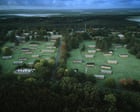
ITV's undercover investigation exposes inadequate welfare checks and potential legal violations at Crowborough military base asylum camp in East Sussex.
Undercover Investigation Reveals Serious Concerns at Asylum Camp Sussex
An undercover documentary investigation has brought to light disturbing allegations regarding conditions at a controversial asylum camp Sussex facility located at a former military training base in East Sussex. The ITV report, titled Inside The Asylum Camp, uncovered evidence suggesting that torture survivors may have been placed at the installation unlawfully, while simultaneously revealing inadequate welfare oversight mechanisms at the site operated by a company linked to prominent billionaire Graham King.
The asylum camp Sussex investigation represents a significant development in ongoing public scrutiny surrounding the government's broader strategy to transition asylum seekers from temporary hotel accommodations to mass housing facilities. The undercover reporting effort involved an ITV journalist who secured employment as a welfare officer at the Crowborough facility, providing unprecedented access to internal operations and revealing critical gaps in administrative procedures.
Undercover Reporting Exposes Operational Failings
The documentary footage captured by the undercover reporter demonstrates systematic deficiencies in the screening and assessment protocols implemented at the facility. These operational failings appear to have created significant consequences for vulnerable populations residing at the location. The investigation highlights that the asylum camp Sussex operations may not be adequately equipped to handle specialized cases, particularly those involving individuals with documented histories of torture or severe trauma.
According to the undercover footage, the welfare checks conducted at the site fall substantially short of standards necessary to ensure appropriate care and support for residents. The inadequacy of these checks raises serious questions about the duty of care obligations incumbent upon facility operators and management personnel. The reporter's access to internal operations unveiled a troubling pattern of insufficient documentation, incomplete risk assessments, and minimal follow-up procedures designed to monitor resident wellbeing.
Legal Implications and Torture Survivor Protections
One of the most alarming revelations emerging from the investigation concerns the potential unlawful placement of torture survivors within the asylum camp Sussex environment. International legal frameworks and domestic legislation establish specific protections for individuals with documented experiences of torture, requiring tailored accommodation and specialized support services. The documentary suggests these protections may not have been systematically applied during the admission and placement processes at Crowborough.
The placement of torture survivors in standard mass accommodation facilities without appropriate trauma-informed care protocols represents a potential breach of legal obligations established under domestic and international conventions. Such placements could violate the duty to provide adequate protection and support for vulnerable individuals, exposing both the facility operators and government authorities to legal accountability.
Graham King's Company Under Scrutiny
The asylum camp Sussex facility operates under a commercial contract held by a firm with established connections to billionaire Graham King, whose involvement in the asylum accommodation sector has previously generated controversy. The undercover investigation casts doubt on the company's capacity to adequately manage complex cases involving vulnerable populations, particularly torture survivors requiring specialized mental health interventions and trauma-informed care approaches.
The findings regarding operational deficiencies at this Graham King-associated facility raise broader questions about private sector involvement in government-contracted asylum services. The pursuit of cost-efficiency in mass accommodation models may be creating operational shortcuts that compromise resident safety and welfare standards.
Government Policy Implications
The government's strategic initiative to replace hotel-based asylum accommodation with mass housing facilities at former military installations represents a significant policy shift. However, the documentary evidence suggests that this transition may not have been accompanied by adequate welfare infrastructure development or specialized staffing training. The asylum camp Sussex investigation indicates that facilities operating under this policy framework may lack essential safeguards for particularly vulnerable populations.
The ITV undercover reporting raises fundamental questions about whether current operational models can adequately serve asylum seekers with complex needs, including those with documented trauma histories requiring specialized interventions and elevated monitoring protocols.
Implications for Asylum Policy Moving Forward
This investigation into conditions at the Crowborough asylum camp Sussex location contributes to mounting evidence that mass accommodation strategies require comprehensive oversight mechanisms and specialized resource allocation. The undercover documentary demonstrates that expanding asylum accommodation capacity without simultaneously implementing robust welfare protocols and trauma-informed care standards creates predictable risks of harm to vulnerable populations.
The allegations of unlawful torture survivor placements and systematic welfare deficiencies suggest that current implementation of the government's asylum accommodation transition strategy requires substantial recalibration to ensure adequate protection for the most vulnerable residents within the system.