Iran Proposes Opening Strait of Hormuz Within Six Days
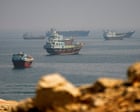
Iran offers to open the Strait of Hormuz in six days and initiate nuclear talks if the US lifts oil sanctions and ends regional conflicts including Lebanon.
Iran's Strategic Proposal to Trump Administration
Iran has presented a significant diplomatic initiative, proposing to open the Strait of Hormuz within a six-day timeframe while offering to commence negotiations regarding its nuclear program the following day. This proposal regarding the Strait of Hormuz represents a major shift in Iran's negotiating stance and comes with specific conditions that the United States must meet to move forward with the agreement.
According to official statements from Tehran, the Iranian government has communicated directly with the Trump administration about this time-sensitive proposal. The conditions attached to opening the Strait of Hormuz include comprehensive demands that extend beyond maritime access to encompass broader geopolitical concerns affecting the entire region.
Conditions Required for Implementation
The Iranian government has outlined three primary conditions necessary for proceeding with the Strait of Hormuz opening initiative. First, the United States must lift all economic sanctions currently imposed on Iran's oil exports, which have significantly impacted the nation's energy sector and overall economy. These sanctions have been a contentious issue in US-Iran relations for years and represent a key obstacle to normalized diplomatic relations.
Second, Iran demands that the United States cease military operations and support for conflicts affecting multiple fronts throughout the Middle East region. Specifically, Iran has highlighted the ongoing situation in Lebanon as a critical concern that must be addressed. This condition suggests that Iran seeks a comprehensive resolution to regional conflicts rather than isolated agreements on individual issues.
Third, the proposal includes a requirement that frozen Iranian assets be released by the United States. These assets have been held in international accounts as part of previous sanctions regimes and represent significant financial resources that Iran seeks to recover as part of any agreement.
Connection to Previous Memorandum of Understanding
The proposal for opening the Strait of Hormuz builds upon the memorandum of understanding that was signed between the United States and Iran in June. Rather than abandoning the framework established in that earlier agreement, the Iranian proposal seeks to accelerate and expedite the timeline for implementing its most significant components.
By proposing a rapid opening of the Strait of Hormuz followed immediately by nuclear program negotiations, Iran is attempting to compress what was previously envisioned as a lengthier diplomatic process into a matter of days. This acceleration strategy suggests that Iranian leadership believes a faster implementation timeline could resolve outstanding issues more efficiently and prevent further deterioration of relations between the two nations.
Nuclear Program Negotiations Timeline
The inclusion of nuclear program discussions starting within seven days of the proposal's implementation represents an unprecedented compression of the negotiation schedule. The original memorandum of understanding had established a different timeline for initiating these critical talks about Iran's nuclear activities and international compliance measures.
By linking nuclear negotiations directly to the opening of the Strait of Hormuz and conditioning both on US sanctions relief, Iran is attempting to create a comprehensive agreement that addresses multiple dimensions of US-Iran tensions simultaneously. This integrated approach differs from previous negotiation strategies that attempted to compartmentalize different issues.
Strategic Implications and Regional Concerns
The Strait of Hormuz represents one of the world's most critical maritime chokepoints, through which approximately one-third of global seaborne petroleum trade passes daily. Iran's control over this waterway gives it significant leverage in international energy markets and global commerce. Any restrictions on transit through the Strait of Hormuz can impact oil prices worldwide and affect the economic interests of numerous nations dependent on Middle Eastern energy supplies.
Iran's willingness to open the Strait of Hormuz under specific conditions indicates that the country views this concession as a valuable bargaining chip in negotiations with the Trump administration. The proposal effectively transforms maritime access into a negotiating point connected to broader demands regarding sanctions, regional conflicts, and frozen assets.
Awaiting American Response
The Iranian government has indicated that it is currently waiting for a formal response from the Trump administration regarding this comprehensive proposal. The six-day timeframe mentioned in Iran's proposal suggests urgency and implies that a decision is expected relatively quickly from American leadership.
The Trump administration must now evaluate whether accepting Iran's conditions aligns with its stated foreign policy objectives and strategic interests in the Middle East. The decision will involve balancing immediate diplomatic gains against longer-term considerations regarding the region's stability and American interests in international energy security.
This proposal from Iran represents a significant moment in US-Iran diplomacy, offering both opportunities for resolving longstanding tensions and challenges in negotiating terms that satisfy both nations' core interests and security concerns.