Iran Threatens to Close Strait of Hormuz Amid Israel-Lebanon Conflict
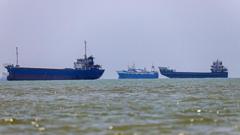
Iran warns it could close the Strait of Hormuz following Israel's military operations in Lebanon, citing violations of US nuclear agreement. Latest developments...
Iran Escalates Rhetoric Over Israel-Lebanon Military Operations
Iran has issued a significant warning that it could seal off the Strait of Hormuz in response to escalating military tensions involving Israel and Lebanon. The Islamic Republic claims that ongoing military operations represent a critical violation of international agreements negotiated with Washington, potentially destabilizing the entire region.
The Strait of Hormuz closure threat represents one of the most serious geopolitical warnings in recent months, as this crucial waterway handles approximately one-third of global maritime oil trade. Iranian officials argue that their nation's strategic interests in the region are being undermined by what they characterize as aggressive Israeli military actions.
Alleged Breaches of International Agreements
According to Tehran's official statements, the continuation of Israeli military campaigns constitutes a direct breach of understandings between Iran and the United States designed to limit regional conflict escalation. Iranian leadership contends that the attacks undermine the foundational principles upon which diplomatic negotiations were based.
Government representatives have emphasized that the Strait of Hormuz closure would serve as a proportional response to what they view as unprovoked military aggression. This stance reflects growing frustration with the international community's inability to restrain what Iranian officials perceive as destabilizing operations in neighboring territories.
Strategic Implications of the Hormuz Strait
The potential closure of the Strait of Hormuz would have profound consequences for global energy markets and international commerce. This narrow passageway between Iran and Oman represents a critical chokepoint for oil shipments destined for Europe, Asia, and other global markets.
Historical precedent demonstrates that any disruption to shipping through the Strait of Hormuz triggers immediate international concern. Insurance rates spike, oil prices fluctuate dramatically, and maritime operators face unprecedented uncertainty regarding safe passage through these contested waters.
Regional Context and Underlying Tensions
The Strait of Hormuz closure threat must be understood within the broader context of Israeli-Iranian tensions that have intensified throughout the Middle East region. Lebanon's geographic proximity to Israel has made it a focal point for broader strategic competition between regional and international powers.
Iran's military support for various Lebanese groups has historically been a point of contention between Tehran and Western nations. The current escalation suggests that diplomatic channels remain insufficient for managing these deep-rooted conflicts.
International Response and Negotiations
Global powers, including the United States and European nations, have expressed concern about Iran's threats regarding the Strait of Hormuz. Diplomatic representatives have called for restraint from all parties involved in the conflict.
The situation highlights the precarious balance between deterrence and escalation in the Middle East. International observers note that explicit threats about closing critical shipping lanes can themselves trigger market instability and diplomatic crises.
Economic and Energy Market Concerns
Energy analysts have warned that any genuine attempt to block the Strait of Hormuz would create unprecedented disruptions to global oil supplies. Nations dependent on Gulf oil exports would face severe shortages, potentially triggering worldwide economic repercussions.
The threat of Hormuz strait disruption has already influenced market sentiment, with energy traders incorporating geopolitical risk premiums into their pricing models. This demonstrates how regional conflicts can have cascading effects on the global economy.
Looking Forward: De-escalation Prospects
Whether Iran will actually implement its threat to close the Strait of Hormuz remains uncertain. Such action would represent an extraordinary escalation with potentially catastrophic international consequences, suggesting that the threat may primarily serve as political messaging rather than imminent policy.
Nevertheless, the rhetoric underscores the fragile nature of regional stability. Diplomatic efforts aimed at reducing tensions in Lebanon and the broader Middle East region will be critical in determining whether this crisis escalates further or subsides through negotiation and restraint.


