Deadly Bedford Rail Collision Leaves Dozens Critically Injured
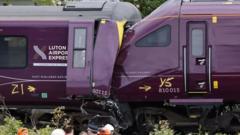
A tragic train collision in Bedford resulted in fatalities and over 100 injuries, with nine passengers in critical condition. British Transport Police launched...
Tragic Railway Incident Unfolds in Bedford Area
A devastating train collision has gripped the Bedford region, leaving authorities scrambling to respond to what has become one of the area's most serious transportation disasters in recent memory. Emergency services were dispatched to the scene following the incident, which resulted in multiple fatalities and left over one hundred individuals requiring medical attention. Among those injured, nine passengers remain in critical condition, facing ongoing treatment at regional medical facilities.
Scale of the Emergency Response
The magnitude of this railway emergency prompted a coordinated response involving paramedics, fire crews, and police officers from across the region. Initial assessments revealed that the train collision had caused extensive damage to both vehicles involved in the incident. Medical teams worked tirelessly to triage victims according to severity, with the most seriously affected individuals airlifted to specialized trauma centers equipped to handle complex injuries.
Fatal Victim Identified Among Casualties
Among the casualties from this train collision incident was a train operator whose death marked the first confirmed fatality. The loss of a professional railway employee has sent shockwaves through the transportation community, prompting widespread discussion about safety protocols and operational procedures across Britain's rail network. Family members have been notified, and appropriate support services have been made available to grieving relatives and colleagues.
British Transport Police Investigation Launched
British Transport Police has assumed primary responsibility for investigating the circumstances surrounding the train collision. Detectives and specialist investigators are examining multiple factors that may have contributed to the devastating train collision, including mechanical failures, human error, signaling malfunctions, and weather conditions at the time of impact. Witness statements are being systematically collected from survivors, passengers, and railway personnel who were present during the incident.
Initial Investigative Findings
Preliminary data gathered from the train collision scene suggests that investigators are pursuing several distinct lines of inquiry. Black box recordings from both trains are being analyzed to establish the precise sequence of events leading up to impact. Rail infrastructure specialists are examining track conditions, signal systems, and maintenance records to determine whether negligence or infrastructure failures played a role in facilitating the train collision.
Passenger Accounts and Survivor Stories
Survivors of the train collision have described harrowing moments as vehicles collided with tremendous force, causing panic and confusion among passengers. Many witnesses reported hearing screeching sounds, feeling violent impacts, and experiencing disorientation in the immediate aftermath. Psychological support services have been offered to trauma survivors who may experience lasting emotional consequences from experiencing such a frightening incident.
Medical Response and Hospital Capacity
Hospitals throughout the Bedford vicinity have mobilized resources to accommodate the large number of injured individuals. Nine passengers with critical injuries require intensive care monitoring, ventilatory support, and surgical intervention. The remaining injured individuals sustained varying degrees of trauma ranging from minor fractures and lacerations to moderate internal injuries. Medical professionals anticipate that recovery timelines will vary significantly depending on injury severity and individual health circumstances.
Safety Concerns and Railway Protocol Review
This train collision has reignited discussions regarding railway safety standards and whether current preventative measures are sufficient to protect passengers. Transport authorities are expected to conduct comprehensive reviews of operational procedures, staff training requirements, and technological safeguards designed to prevent similar incidents from occurring in the future. Industry experts suggest that this incident may catalyze policy recommendations affecting rail operations nationally.
Ongoing Investigation and Public Updates
British Transport Police has committed to maintaining transparent communication with the public regarding investigation progress. Regular briefings are expected as new information emerges from the train collision scene investigation. Preliminary findings may take weeks or months to complete, given the complexity of reconstructing the exact circumstances that led to this catastrophic railway accident.


