France Prohibits Alcohol Sales at Music Festivals During Red Heat Alert
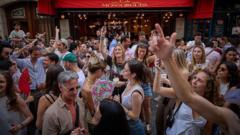
France bans alcohol at music festival events under red heatwave alert to preserve healthcare services during extreme 40°C heat conditions affecting millions.
France Implements Alcohol Restrictions at Music Festivals During Red Heat Alert
Authorities in France have enacted unprecedented measures to combat the severe health crisis caused by dangerously high temperatures. The alcohol ban music festivals policy represents a crucial intervention aimed at protecting public health during periods of extreme climatic conditions. With temperatures soaring to 40 degrees Celsius (104 Fahrenheit), millions of citizens face unprecedented challenges that necessitate drastic governmental action.
Understanding the Red Heat Alert System
The red heat alert framework operates as France's highest tier warning system for dangerous thermal conditions. When such alerts are activated, municipalities must implement comprehensive protocols to safeguard their populations. The alcohol ban at music festivals and public events forms part of this broader emergency response strategy designed to minimize preventable health complications during vulnerable periods.
Impact on Annual Street Celebrations and Public Gatherings
Millions of French residents typically participate in traditional street parties and musical celebrations throughout the summer season. These gatherings, which ordinarily foster community connections and cultural traditions, face significant operational changes under current health protocols. Event organizers have received clear directives to enforce restrictions that prioritize public safety over conventional festivities.
Healthcare System Preservation During Extreme Heat
The rationale behind implementing an alcohol ban at music festivals centers on protecting France's already strained healthcare infrastructure. Medical professionals have expressed serious concerns about emergency department capacity during extreme heat episodes. Alcohol consumption significantly increases dehydration risks and heat-related medical emergencies, conditions that overwhelm hospital resources during red heat alerts.
Healthcare workers across the nation face mounting pressure when temperatures reach dangerous levels. Heat stroke, dehydration, and cardiovascular complications surge dramatically during such periods. By restricting alcohol availability at public gatherings, authorities aim to reduce preventable emergency admissions that would further burden medical staff and facilities already operating at maximum capacity.
Why Alcohol Presents Particular Risks During Extreme Heat
Medical research consistently demonstrates that alcohol consumption exacerbates heat-related illness severity. Alcoholic beverages promote vasodilation, interfering with the body's natural cooling mechanisms. Additionally, alcohol impairs judgment regarding fluid intake and physical exertion levels, creating dangerous situations during outdoor festival environments where temperatures exceed safe exposure thresholds.
The combination of dancing, physical activity, and alcohol consumption creates compounding risk factors that emergency services cannot adequately address during red heat alert periods. By eliminating alcohol from festival settings, French authorities significantly reduce medical emergencies requiring hospitalization and intensive care resources.
Enforcement Mechanisms and Public Compliance
Local authorities have implemented specific enforcement protocols to ensure compliance with the alcohol ban at music festivals and public events. Venue operators, festival organizers, and beverage vendors face legal requirements to remove all alcoholic products from sale areas during red heat alert declarations. Non-compliance results in substantial fines and potential venue closure orders.
Public messaging campaigns emphasize the connection between personal hydration choices and broader healthcare system functionality. Citizens are encouraged to prioritize water consumption and non-alcoholic beverages while participating in outdoor celebrations. This educational component aims to build voluntary compliance alongside regulatory enforcement mechanisms.
Community Response and Adaptation Strategies
French communities have begun adapting festival programming to accommodate new restrictions while maintaining cultural traditions. Event planners now emphasize enhanced water distribution systems, shaded rest areas, and medical personnel presence at all major gatherings. These adaptations reflect acknowledgment that celebrating during extreme heat requires fundamentally different operational approaches.
Organizers have reported positive community reception to health-focused modifications, with residents recognizing the necessity of protective measures. Cultural celebrations continue under revised formats that prioritize participant wellbeing alongside entertainment objectives.
Long-term Climate Implications for France
The implementation of emergency measures like alcohol restrictions at public events reflects broader European climate patterns. Scientists warn that extreme heat episodes will intensify in frequency and severity across the continent. France's proactive response to current conditions represents preliminary adaptation to expected future climate scenarios requiring sustained lifestyle adjustments.
These measures signal governmental recognition that traditional public health approaches prove insufficient during unprecedented thermal conditions. Future festival planning will likely incorporate heat-management protocols as permanent operational requirements rather than temporary emergency responses.
Conclusion: Balancing Public Health and Cultural Traditions
The alcohol ban imposed during red heat alerts demonstrates how public health imperatives sometimes necessitate modifying established cultural practices. By restricting alcohol availability at music festivals and street parties, France protects healthcare system capacity while encouraging healthier individual choices during dangerous environmental conditions. As climate patterns continue evolving, similar regulatory frameworks will likely expand across European nations facing comparable thermal challenges during festival seasons and public gatherings.


