Colombia's Internal Conflict Shapes Historic Presidential Election Race
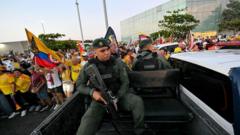
Colombia's escalating internal conflict dominates the presidential election as a left-wing senator supporting gang negotiations faces a Trump-backed outsider ca...
Colombia's Presidential Election Reflects Deepening Internal Turmoil
Colombia's presidential election has become a pivotal moment for the nation, with the country's escalating internal conflict serving as the central issue driving voter decisions. The contest pits two dramatically opposed political visions against each other, each offering starkly different approaches to addressing the violence and instability that plague Colombian communities. This electoral showdown represents far more than a routine transfer of power; it reflects fundamental disagreements about how the nation should confront organized crime, armed groups, and decades-long security challenges.
The Left-Wing Senator's Negotiation Strategy
One leading candidate represents the progressive left, advocating for dialogue-based solutions to the country's security crisis. This senator has positioned himself as an advocate for engaging in substantive talks with armed gangs and criminal organizations, arguing that military-only approaches have failed to resolve Colombia's fundamental problems. His campaign emphasizes the need for reconciliation efforts and negotiated settlements that could potentially reduce violence through diplomatic channels rather than exclusive reliance on force.
The senator's platform reflects a broader ideological commitment to addressing root causes of gang recruitment and criminal activity. He argues that poverty, lack of opportunity, and social marginalization drive young Colombians toward armed groups, and that sustainable peace requires tackling these underlying conditions. His supporters contend that dialogue-based approaches offer a pragmatic path forward, pointing to limited successes in previous peace negotiations and the humanitarian costs of prolonged military campaigns.
The Trump-Backed Outsider Candidate
Standing in stark contrast, an outsider political figure has emerged with backing from international conservative circles, including endorsement from the Trump administration. This candidate represents a tough-on-crime platform emphasizing enhanced security measures, strengthened law enforcement capabilities, and uncompromising opposition to criminal organizations. The outsider positioning resonates with voters frustrated by traditional political establishments and seeking decisive action against security threats.
This candidate's message emphasizes restoration of order, robust border control, and direct confrontation with armed groups. His campaign appeals to those believing that negotiations with criminals represent weakness and that stronger military and police operations provide the only viable solution to Colombia's violence epidemic. International backing, particularly from the United States, underscores the geopolitical dimensions of this contest and signals alignment with hemispheric security priorities.
Security Crisis as Electoral Centerpiece
The severity of Colombia's internal conflict cannot be overstated in understanding this election's significance. Gang violence, drug trafficking operations, territorial disputes among criminal organizations, and related security challenges create daily hardship for millions of Colombians. Kidnappings, extortion, murders, and forced displacements continue affecting communities across the country, particularly in rural regions and urban neighborhoods controlled by armed actors.
Voters face a genuine dilemma about competing responses to these grave challenges. The fundamental disagreement between dialogue advocates and security hardliners reflects genuine philosophical and strategic differences about conflict resolution. Neither approach offers guarantees, and both involve substantial risks and costs that Colombian society must weigh carefully.
Electoral Stakes and Democratic Process
This presidential election carries extraordinary importance for Colombia's democratic future and institutional development. The choice between these contrasting visions will determine policy directions regarding peace negotiations, military spending, law enforcement strategies, and international security partnerships. Investment priorities, resource allocation, and diplomatic initiatives will shift dramatically depending on the election outcome.
The campaign has generated intense debate about Colombia's path forward, with passionate advocacy from supporters of each candidate. International observers recognize that outcomes in this election could influence broader hemispheric political trends and security approaches throughout Latin America. The contest represents a critical moment for Colombian democracy to demonstrate its capacity to process genuine policy disagreements through electoral mechanisms.
Long-Term Implications for Colombia
Regardless of the election's outcome, Colombia faces complex challenges requiring sustained commitment and difficult choices. The internal conflict's resolution will depend on policies implemented over years and decades, not merely on electoral symbolism. Whichever direction voters choose, Colombian institutions and society must work toward reducing violence, improving security, addressing underlying poverty and inequality, and rebuilding trust in governance systems.
The presidential election represents an opportunity for Colombian citizens to shape their nation's future through democratic participation. The contrast between the negotiation-focused senator and the Trump-backed outsider candidate ensures that this election addresses genuine strategic questions about Colombia's security future and international relationships.


