Expert Withdraws Support for Channel 4 ADHD Documentary
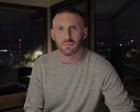
Leading neuroscientist Prof Katya Rubia criticizes Channel 4's ADHD documentary for bias and misrepresentation, raising concerns about medication safety.
Prominent Neuroscientist Denounces Channel 4 ADHD Programme
A distinguished contributor to a highly contentious Channel 4 ADHD documentary has publicly retracted her endorsement of the programme, citing significant editorial bias and potential health risks. Prof Katya Rubia, renowned researcher in cognitive neuroscience at King's College London's Institute of Psychiatry, Psychology and Neuroscience, expressed serious reservations about how the Channel 4 ADHD documentary presented scientific evidence and her own professional perspectives.
The neuroscientist's withdrawal marks a crucial moment in ongoing debates surrounding the portrayal of attention deficit hyperactivity disorder in mainstream media. Rubia's decision comes amid mounting criticism from other prominent specialists who have raised comparable objections to the programme's editorial approach and factual accuracy.
Safety Concerns and Medication Advocacy
In her statement withdrawing support, Prof Rubia highlighted alarming potential consequences stemming from the Channel 4 ADHD documentary's messaging. She contends that the programme's narrative could inadvertently encourage parents to discontinue prescribed medications for children diagnosed with ADHD, a course of action she warns could have tragic psychological outcomes.
According to the King's College London specialist, the documentary's framing may inadvertently elevate suicide risk among vulnerable populations by undermining confidence in evidence-based pharmaceutical interventions. This concern reflects broader medical consensus regarding ADHD treatment protocols and the established benefits of appropriate pharmacological management for many patients.
Misrepresentation of Expert Views
Beyond her safety concerns, Prof Rubia explicitly accused the production team of mischaracterizing her professional viewpoints and research findings. The cognitive neuroscientist stated that her contributions to the Channel 4 ADHD documentary were presented in ways that distorted her intended meaning and contradicted her actual positions on diagnosis and treatment methodologies.
Such editorial distortions represent a significant departure from responsible documentary practice, particularly when addressing complex medical and psychological topics that directly influence public health decisions. The selectivity in presenting expert commentary raises fundamental questions about journalistic integrity in science communication.
Growing Expert Criticism
Prof Rubia's withdrawal from the project joins a chorus of professional criticism targeting the Channel 4 ADHD documentary. Multiple leading figures in psychiatric research, neuroscience, and clinical psychology have publicly challenged the programme's central premises and methodology.
The accumulating expert disapproval suggests systemic issues with how the documentary handled scientific material and expert consultation. Rather than fostering genuine dialogue around ADHD research complexities, the Channel 4 ADHD documentary appears to have generated significant skepticism within the scientific community itself.
Implications for Public Understanding
The controversy surrounding this Channel 4 ADHD documentary underscores persistent tensions between sensationalist media presentation and responsible health communication. When documentaries address neurodevelopmental conditions affecting millions globally, accuracy and balanced representation become paramount ethical considerations.
Parents, educators, and policymakers often rely on media coverage to inform decisions affecting children's welfare and medical care. Programming that privileges dramatic narrative over scientific rigor can undermine evidence-based approaches to ADHD management and perpetuate misconceptions about treatment efficacy.
The Broader ADHD Debate
While legitimate scientific discourse continues regarding optimal ADHD diagnostic criteria and treatment strategies, the Channel 4 ADHD documentary apparently prioritized controversy over nuanced examination. The programme's apparent bias has inadvertently highlighted how easily documentary formats can distort complex neurobiological topics.
Prof Rubia's intervention demonstrates the importance of expert oversight and the responsibility specialists bear in publicly correcting misrepresentation of their work. Her decision to withdraw support sends a powerful message about maintaining professional integrity when editorial decisions compromise scientific accuracy.