Feral Children: Defending Kids' Freedom to Explore
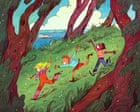
Discover why feral children thrive when given freedom to explore. Learn about childhood independence, outdoor play, and natural development benefits.
Understanding Feral Children and Modern Childhood
Feral children represent a growing concern among parents and educators who worry about the loss of unstructured play and independence in modern society. Adults frequently express frustration that young people occupy limited spaces in our world, yet simultaneously demand silence and obedience when children assert their presence. This paradox creates a challenging environment where childhood freedom becomes increasingly restricted, despite widespread recognition that independent exploration contributes significantly to healthy development.
The concept of feral children—youngsters raised with minimal adult supervision who develop through natural exploration—challenges contemporary parenting norms and raises important questions about how we define childhood success.
Island Life and the Transition to Adulthood
On Peaks Island, located approximately three miles off the coast of Portland, Maine, the experience of growing up carries distinct markers that define the transition from childhood to adolescence. Residents of this year-round island community recognize that childhood fundamentally changes at a specific moment: when children become old enough to catch the 7:15 AM ferry to school on the mainland.
The island hosts an elementary school serving younger children, but no middle or high school facilities exist locally. This geographic reality forces a critical rite of passage. Once island youth reach sixth grade, they begin their daily commute to mainland schools via ferry, marking a profound shift in their independence and responsibility levels.
The Geography of Growing Up
Island communities present unique circumstances for child development that differ substantially from suburban or urban environments. The ferry commute becomes more than transportation—it represents freedom, maturity, and the expanding boundaries of childhood. Young people who make this journey daily develop resilience, time management skills, and independence that many mainland peers never experience.
The 7:15 AM ferry departure time creates a structured yet liberating framework for adolescent autonomy. Students must navigate their morning routines independently, manage their belongings, and interact with diverse passengers during their commute. These daily experiences cultivate practical life skills that contribute to confident, self-reliant young adults.
Society's Conflicting Messages About Childhood
Modern society presents contradictory expectations regarding children's roles and behaviors. Parents and adults consistently voice complaints that young people need more opportunities to participate meaningfully in community life. Yet, when children and teenagers actually occupy public spaces, engage in outdoor activities, or make their presence known, adult responses often involve demands for silence, compliance, and reduced visibility.
This fundamental contradiction undermines healthy child development. When feral children are given space to explore, play, and develop naturally, they demonstrate increased confidence, problem-solving abilities, and emotional resilience. The freedom to be loud, active, and present in the world represents a critical component of growing up.
Benefits of Unstructured Exploration and Independence
Research increasingly supports the developmental advantages of allowing children greater autonomy and freedom. Feral children who engage in unstructured outdoor play develop stronger physical health, improved mental well-being, and enhanced cognitive abilities compared to highly supervised peers. Natural exploration teaches risk assessment, builds confidence, and develops independence that formal education cannot replicate.
The island community's model demonstrates how geographic necessity creates developmental opportunity. When parents and society permit feral children to navigate challenges independently—whether through ferry commutes or outdoor exploration—young people develop genuine competence and self-assurance.
Reconsidering Our Approach to Childhood
Modern parents and educators must examine their contradictory expectations. We cannot simultaneously demand that children occupy less space while criticizing their disengagement from community life. The feral children approach, grounded in permitting natural development and independence, offers a corrective to over-structured, heavily supervised childhoods that increasingly characterize contemporary youth development.
Communities like Peaks Island inadvertently preserve valuable childhood traditions by necessity. The daily ferry commute represents feral children in their truest sense—young people navigating the world with growing autonomy, developing resilience through real-world experience, and emerging into adulthood through natural progression rather than artificial milestones.
Moving Forward: Supporting Authentic Childhood Development
Supporting feral children means reconsidering our relationship with noise, independence, and children's presence in public spaces. It requires acknowledging that childhood development flourishes when young people have freedom to explore, take calculated risks, and develop through experience rather than instruction alone. As island communities demonstrate, sometimes the most valuable childhood experiences emerge from necessity and freedom combined.