Child's Fall From Tower Block Reveals Safety Gaps
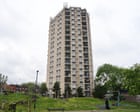
Inquest into five-year-old Aalim Ahmed's death from 15th-floor window highlights missing safety measures in London social housing.
Tragic Death Raises Safety Concerns
An inquest examining a child fall from window incident has revealed that additional protective measures could have prevented a tragedy at a London residential tower block. The case of five-year-old Aalim Ahmed, who died following a child fall from window at a 15th-floor unit in Plaistow, east London, has prompted serious questions about housing safety standards and architectural design in temporary accommodation facilities.
Aalim Ahmed, who was diagnosed with autism spectrum disorder, fell from a kitchen window at the social housing residence on 16 May 2024. His father, Makail Ahmed, discovered his son's body shortly before 6am that morning after rushing down from their temporary flat located on the top floor of the residential block.
Family's Previous Housing Requests
Court proceedings during the inquest revealed that Aalim's family had previously requested to be relocated from the tower block accommodation. The family had expressed concerns about their living conditions and safety circumstances within the high-rise building, but their requests for relocation had not been acted upon prior to the fatal incident.
The inquest heard testimony indicating that the flat lacked adequate safety features that would be expected in residential properties housing families with vulnerable children. Experts and witnesses provided evidence suggesting that window safety mechanisms, restrictive devices, and other protective installations could have substantially reduced the risk of such an accident occurring.
Missing Safety Features in High-Rise Housing
Investigators and building safety experts who gave evidence during the inquest proceedings outlined specific measures that were absent from the property. The kitchen window from which the child fell did not have appropriate safety locks or restrictive opening devices that would have prevented a young child from accessing a dangerous opening.
The inquest also examined the broader question of whether housing authorities had sufficient protocols in place for temporary accommodation units occupied by families with children who have additional needs or vulnerability factors. The case highlighted gaps between minimum statutory building regulations and enhanced safety standards that might be considered best practice, particularly in situations where residents include young autistic children who may have difficulty understanding dangers.
Social Housing Safety Standards Under Scrutiny
The proceedings focused on whether local housing authorities adequately assess risk factors when placing families with vulnerable children in high-rise temporary accommodation. The inquest heard that while the property technically met basic building regulations at the time of the family's occupancy, it fell short of implementing additional protective measures that could have been reasonably installed to enhance safety for residents with specific vulnerability characteristics.
Building safety professionals testified about window restriction devices, safety glazing options, and alarm systems that could have been implemented. These measures, commonly used in other residential settings and childcare facilities, would have made it physically impossible or extremely difficult for a five-year-old child to open the window to a dangerous degree.
Implications for Housing Policy
The inquest's findings have broader implications for how local authorities assess and manage temporary social housing, particularly regarding family placements. The evidence presented suggests that current practices may not adequately account for the increased supervision challenges faced by families with autistic children who may exhibit unpredictable behavior or difficulty understanding spatial risks.
Housing officials and social services representatives were questioned about their assessment procedures when placing families in high-rise accommodation. The inquest heard that despite the family's earlier requests for rehousing and their circumstances involving a child with autism, no enhanced safety measures had been implemented or made mandatory as conditions of their tenancy.
Community and Policy Response
Following the inquest proceedings, child safety advocates and housing campaigners have called for comprehensive reviews of safety standards in temporary accommodation. They argue that the case demonstrates the necessity for mandatory safety audits in all high-rise temporary housing units accommodating families with young children, particularly those with additional support needs.
The tragic incident has sparked discussions within local government and housing policy circles about establishing clearer guidelines for risk assessment and mandatory safety improvements in properties designated for vulnerable families. Experts emphasize that while window safety devices represent modest additional costs, the prevention of such devastating outcomes justifies their implementation as standard practice rather than optional measures.