
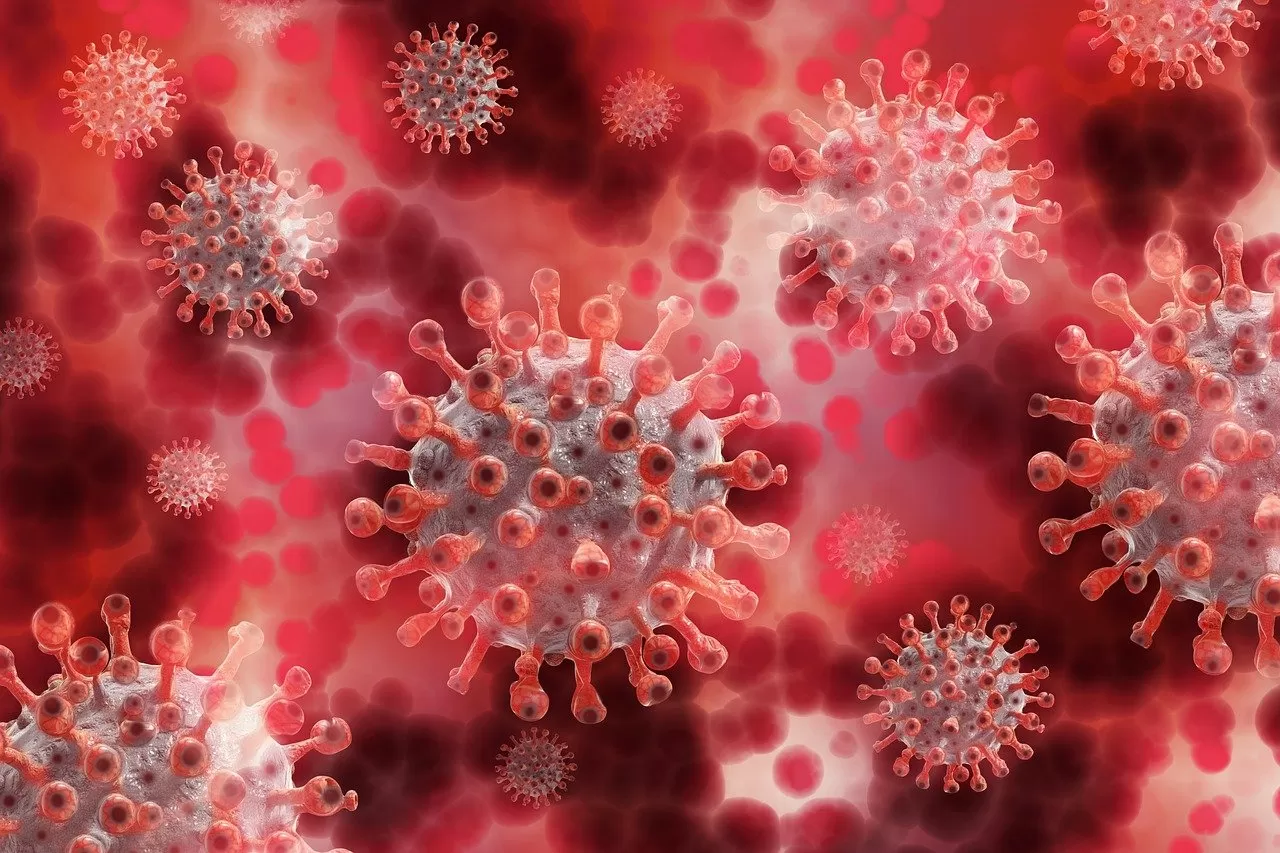
As we age, our bodies go through a natural process of gradual change. Our hair turns grey, our skin wrinkles, and our joints may ache a little more. But there is a hidden vulnerability that often goes unnoticed – our respiratory system. With each passing year, our lungs, immunity, and ability to fight off infections weaken, making respiratory illnesses like flu and COVID more severe for older adults.
Aging lungs are one of the key factors that contribute to the higher risk of severe respiratory infections in older adults. As we grow older, our lungs lose their elasticity, which makes it harder for them to expand and contract. This causes a decrease in lung function and makes it more difficult for older adults to clear mucus and bacteria from their airways, increasing their susceptibility to respiratory infections. Moreover, aging lungs are also less efficient at exchanging oxygen and carbon dioxide, which can lead to a decrease in overall lung function and make it harder for older adults to breathe.
Another significant vulnerability in older adults is a weakened immune system. Our immune system is responsible for identifying and fighting off infections, but as we age, it becomes less effective. This is because the production of key immune cells, such as T-cells and B-cells, decreases with age. These cells are responsible for recognizing and destroying viruses and bacteria, which makes older adults more susceptible to infections like flu and COVID. Additionally, the immune system also becomes less responsive, which means it may take longer for older adults to recover from respiratory infections, leaving them more vulnerable for longer periods.
Inflammation is another factor that plays a crucial role in making respiratory infections more severe in older adults. As we age, our bodies become more prone to chronic inflammation, which is a natural response to injury or infection. However, as we get older, this inflammatory response becomes less regulated, causing the body to overreact and create an excessive inflammatory response. This can weaken the lungs and the immune system, making it easier for respiratory infections to take hold and cause more damage.
The combination of aging lungs, a weakened immune system, and chronic inflammation creates a perfect storm for respiratory infections to thrive in older adults. The severity of respiratory infections in older adults can also be attributed to the presence of underlying health conditions such as heart disease, diabetes, and lung diseases like COPD. These conditions can further weaken the lungs and immune system, making it more challenging for older adults to fight off infections.
But why does this hidden vulnerability matter, and what can be done about it? The answer is simple – because older adults are more likely to develop serious complications and have a higher risk of death from respiratory infections. The flu and COVID-19 have been particularly devastating for older adults, with data showing that they have the highest rates of hospitalization and death from these illnesses. This is why it is crucial to understand and address the factors that make older adults more vulnerable to respiratory infections.
So what can be done to protect older adults from severe respiratory infections? Firstly, it is essential to get vaccinated against the flu and COVID-19. Vaccines have been proven to be effective in preventing severe illness and reducing the risk of hospitalization and death from respiratory infections. Secondly, older adults should take proactive measures to maintain their lung health, such as quitting smoking, staying physically active, and getting regular check-ups with their doctor. These actions can help keep the lungs functioning at their best and reduce the risk of respiratory infections.
Moreover, incorporating healthy habits into daily life, such as eating a balanced diet, getting enough sleep, and managing stress, can also support the immune system and reduce chronic inflammation. In addition, avoiding close contact with sick individuals and practicing good hygiene, such as washing hands frequently, can help prevent the spread of respiratory infections.
In conclusion, as we age, our bodies become more vulnerable to respiratory infections due to aging lungs, weakened immunity, and chronic inflammation. This makes it crucial to understand and address this hidden vulnerability to protect older adults from severe respiratory illnesses like flu and COVID-19. By taking proactive measures to maintain lung health, getting vaccinated, and practicing healthy habits, we can help our aging loved ones stay healthy and resilient against respiratory infections. Let’s not let this hidden vulnerability go unnoticed and do our part to protect the health and well-being of our older adults.
