
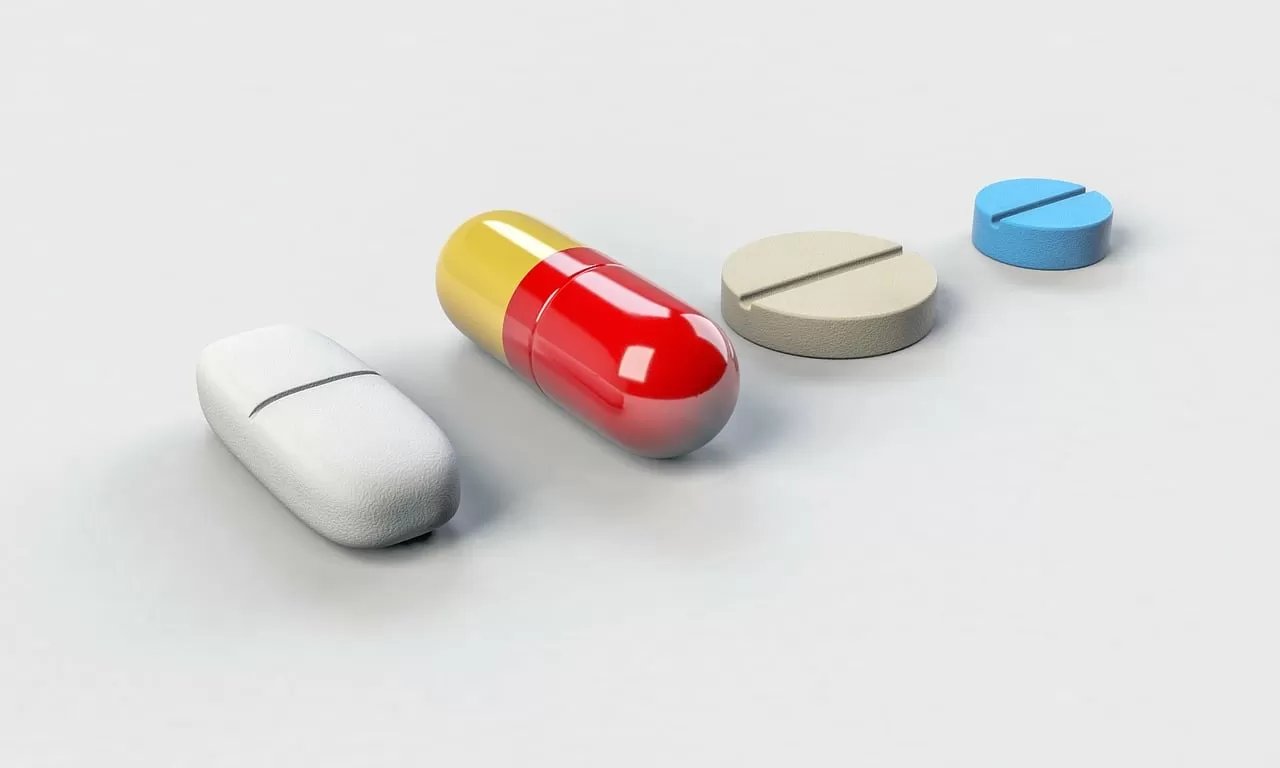
In the world of medicine, antibiotics are often seen as the wonder drugs that can cure all infections. While they are certainly powerful and have saved countless lives, there is a growing concern about their overuse and misuse. In recent years, there has been a rise in antibiotic resistance, making it more difficult to treat certain infections. This is why it’s important to understand when antibiotics are truly necessary, how bacteria differ from viruses, and the impact of appropriate use on protecting effectiveness and reducing resistance.
Firstly, it’s important to understand that not all infections require antibiotics. Antibiotics are specifically designed to treat bacterial infections, such as strep throat or urinary tract infections. They work by killing the bacteria causing the infection or stopping their growth. However, they are not effective against viral infections, like the common cold or flu. In fact, taking antibiotics for a viral infection can do more harm than good, as it can contribute to the development of antibiotic resistance.
So how do you know when an infection truly requires antibiotics? The key is to look at the symptoms and the cause of the infection. Bacterial infections often have specific symptoms, such as a high fever, severe pain, and pus or discharge. On the other hand, viral infections are characterized by more general symptoms like a runny nose, sore throat, and cough. Besides, bacterial infections don’t usually improve on their own, while viral infections tend to resolve on their own within a week or two.
It’s also important to note that not all bacteria are harmful. In fact, our bodies are home to trillions of bacteria, most of which are beneficial. These bacteria help with digestion, protect against harmful bacteria, and even produce vitamins. However, when harmful bacteria enter our bodies and multiply, they can cause infections. This is why it’s crucial to target only the harmful bacteria with antibiotics, and not the good ones. In addition, bacteria have the ability to evolve and become resistant to antibiotics with repeated use. This is why it’s important to use antibiotics only when necessary, to avoid the development of resistant bacteria.
On the other hand, viruses are much simpler than bacteria and are not even considered living organisms. They cannot reproduce on their own and instead rely on a host cell to do so. This is why antibiotics are not effective against viruses. However, antiviral medications are available for certain viral infections, like influenza. These medications work by inhibiting the virus’s ability to reproduce and can help to reduce the severity and duration of the illness.
The inappropriate use of antibiotics is a major contributing factor to the rise of antibiotic resistance. When antibiotics are overused or misused, bacteria can adapt and become resistant to their effects. This means that the antibiotics will no longer be effective in treating the infection, making it more difficult to cure. In fact, some bacteria have become resistant to multiple types of antibiotics, making treatment options even more limited. This is why it’s crucial to use antibiotics only when prescribed by a doctor and to complete the full course of treatment, even if you start feeling better.
Another way to protect the effectiveness of antibiotics and reduce resistance is through proper hygiene. Many infections are spread through contact with contaminated surfaces or through close contact with an infected person. By practicing good hygiene habits, such as washing your hands regularly, covering your mouth when sneezing or coughing, and avoiding close contact with sick individuals, you can help prevent the spread of infections and reduce the need for antibiotics.
In conclusion, antibiotics are powerful drugs that have revolutionized modern medicine. However, their overuse and misuse can have serious consequences, including the development of antibiotic resistance. It’s important to understand when antibiotics are truly necessary and to use them appropriately, targeting only harmful bacteria. By doing so, we can protect the effectiveness of antibiotics and ensure they remain a vital tool in treating infections. Additionally, practicing good hygiene can also help prevent the spread of infections and reduce the need for antibiotics. Let’s work together to use antibiotics responsibly and preserve their life-saving abilities for future generations.
