
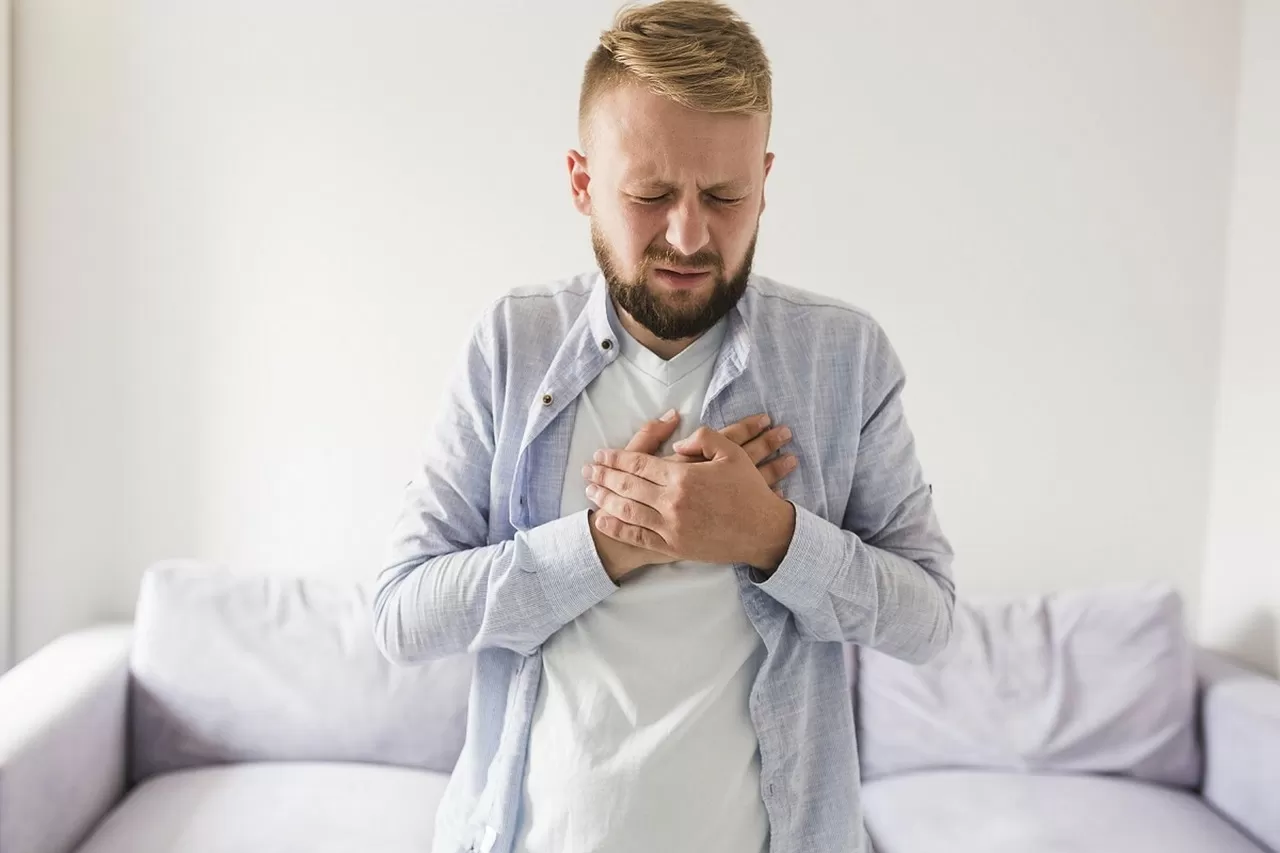
Palpitations are a common occurrence that many people experience at some point in their lives. They are characterized by a feeling of a racing, pounding, or fluttering heartbeat. While most palpitations are harmless and can be caused by factors such as stress, caffeine, or exercise, they can also be a sign of a more serious condition. In this article, we will explore what palpitations are, why they happen, and when to seek medical advice.
What are palpitations?
Palpitations are sensations that make you aware of your heartbeat. They can feel like your heart is racing, pounding, fluttering, or skipping a beat. Some people may also experience a sensation of their heart stopping for a brief moment. Palpitations can occur in the chest, throat, or neck and can last for a few seconds or minutes. They may also be accompanied by other symptoms such as dizziness, shortness of breath, or chest pain.
Why do palpitations happen?
There are several reasons why palpitations may occur. In most cases, they are harmless and can be caused by factors such as stress, anxiety, or intense physical activity. Certain substances like caffeine, nicotine, or alcohol can also trigger palpitations. In some cases, underlying medical conditions such as anemia, thyroid problems, or heart disease can also cause palpitations.
How is arrhythmia involved?
Arrhythmia is a term used to describe any abnormal heart rhythm. It can cause the heart to beat too fast, too slow, or irregularly. Palpitations are often a symptom of arrhythmia. When the heart’s electrical system is disrupted, it can cause the heart to beat irregularly, leading to palpitations. While most arrhythmias are harmless, some can be life-threatening and require medical attention.
When to seek medical advice?
While most palpitations are harmless, there are certain situations where you should seek medical advice. If you experience frequent or persistent palpitations, have a history of heart disease, or have other symptoms such as chest pain or shortness of breath, it is important to consult a doctor. Additionally, if your palpitations are accompanied by fainting, dizziness, or lightheadedness, seek immediate medical attention.
Your doctor will perform a physical exam and may order tests such as an electrocardiogram (ECG) or a Holter monitor to monitor your heart’s rhythm. These tests can help identify any underlying medical conditions that may be causing your palpitations. Depending on the results, your doctor may recommend lifestyle changes, medication, or further treatment.
Managing palpitations
In most cases, palpitations can be managed by making simple lifestyle changes. Avoiding triggers such as caffeine, alcohol, or stress can help reduce the frequency of palpitations. Practicing relaxation techniques like deep breathing or meditation can also help manage stress and anxiety, which can contribute to palpitations.
If you have an underlying medical condition that is causing your palpitations, your doctor may recommend medication or other treatments to manage it. It is important to follow your doctor’s instructions and take any prescribed medication as directed.
In conclusion, palpitations are a common occurrence that can be caused by various factors. While they are usually harmless, they can also be a sign of a more serious condition. If you experience frequent or persistent palpitations, it is important to seek medical advice. With proper management and lifestyle changes, you can reduce the frequency of palpitations and improve your overall heart health. Remember to listen to your body and seek medical attention if you have any concerns about your heart health.
