
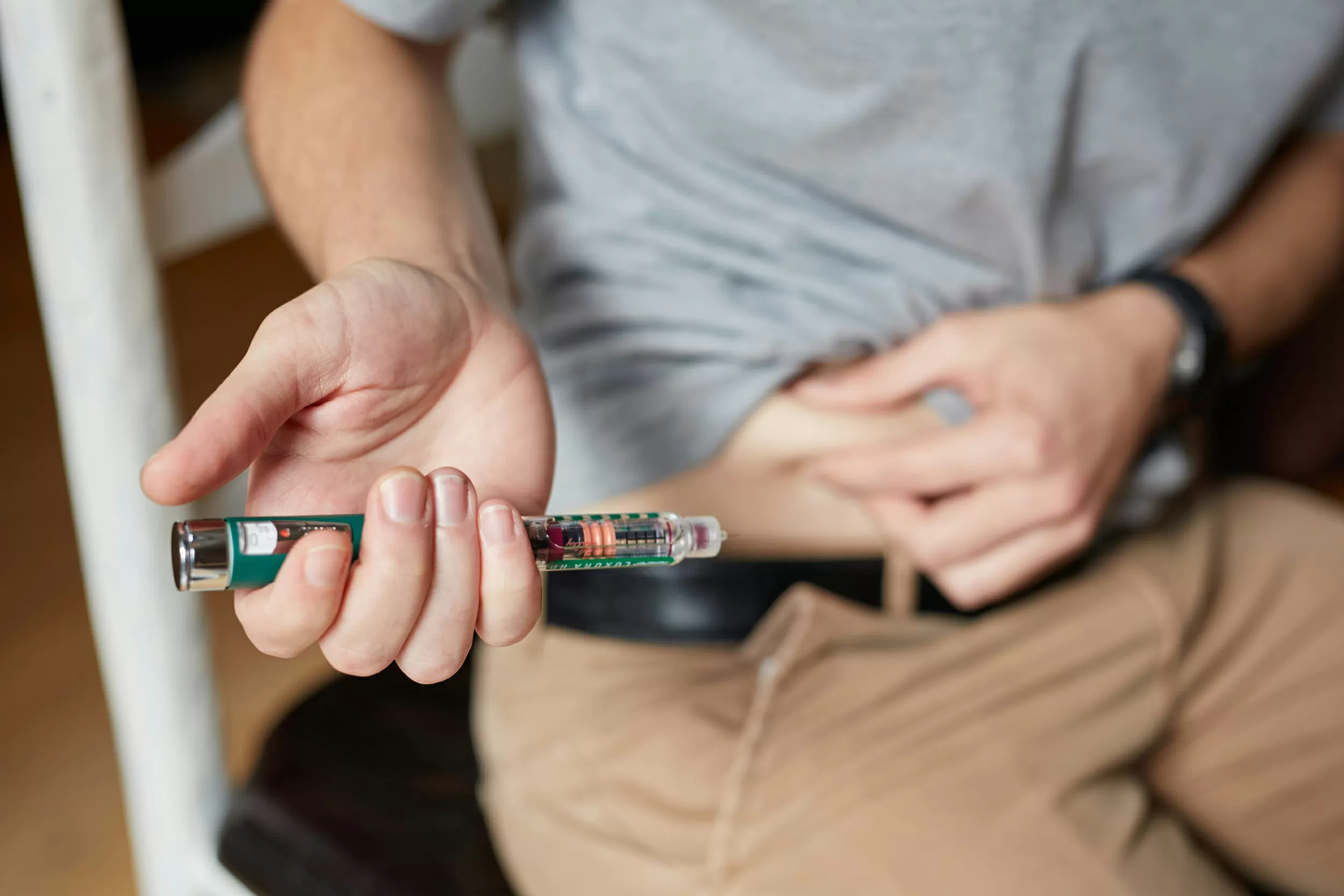
EpiPen Use: How to Manage Severe Allergies and Anaphylaxis for Faster Emergency Response and Safer Recovery
Allergies are a common occurrence, with millions of people worldwide suffering from various types of allergies. While most allergies can be easily managed with over-the-counter medications, some individuals may experience severe allergic reactions that require immediate medical attention. In such situations, an EpiPen can be a lifesaver.
An EpiPen is a small, portable device that contains a single dose of epinephrine, a hormone that helps to counteract the effects of severe allergic reactions. It is designed to be used in emergency situations, providing a quick and easy way to administer epinephrine to someone experiencing anaphylaxis, a potentially life-threatening allergic reaction.
If you or a loved one has a severe allergy, it is essential to understand the steps to take in case of an allergic reaction and how to use an EpiPen to manage the situation effectively. In this article, we will discuss EpiPen use, severe allergy treatment steps, and anaphylaxis management tips for faster emergency response and safer recovery after reactions.
Step 1: Know Your Allergies and Triggers
The first step in managing severe allergies is to identify the specific allergen that triggers the reaction. Common allergens include certain foods, medications, insect bites, pollen, and latex. Knowing your allergies and their triggers can help you avoid exposure and prevent severe reactions.
It is also crucial to educate your family, friends, and coworkers about your allergies and the symptoms of an allergic reaction. This way, they can be prepared to assist you in case of an emergency.
Step 2: Recognize the Symptoms of an Allergic Reaction
Allergic reactions can range from mild to severe and can occur within seconds or minutes of exposure to the allergen. It is essential to recognize the symptoms of an allergic reaction, which may include:
– Hives, itching, or swelling of the face, lips, tongue, or throat
– Difficulty breathing or wheezing
– Nausea, vomiting, or diarrhea
– Dizziness or lightheadedness
– Loss of consciousness
If you experience any of these symptoms after exposure to an allergen, it is crucial to seek immediate medical attention.
Step 3: Use Your EpiPen
The EpiPen is designed to be a user-friendly device, making it easy for anyone to administer in an emergency. Here are the steps to use an EpiPen:
1. Remove the blue safety cap from the EpiPen.
2. Hold the EpiPen in your dominant hand, with the orange tip pointing downwards.
3. With your other hand, form a fist around the EpiPen, and remove the gray safety release by pulling it straight out.
4. Place the orange tip against the middle of the outer thigh.
5. Push the EpiPen firmly into the thigh until you hear a click.
6. Hold the EpiPen in place for 10 seconds before removing it.
7. Massage the injection site for 10 seconds.
8. Seek immediate medical attention.
It is important to remember that the EpiPen should only be used in an emergency and does not replace the need for medical treatment.
Step 4: Call for Help
After using an EpiPen, it is crucial to call for emergency medical assistance. Even if the symptoms subside, it is still essential to seek medical attention as the reaction can reoccur.
Step 5: Monitor and Prepare for Future Reactions
After an allergic reaction, it is essential to monitor your symptoms and recovery closely. If the symptoms persist or worsen, seek medical attention immediately.
It is also crucial to be prepared for future reactions. Always carry your EpiPen with you, and make sure it is not expired. If you are traveling, make sure to have an EpiPen with you at all times, and know the nearest medical facilities in case of an emergency.
Tips for Managing Anaphylaxis
In addition to using an EpiPen, there are other steps you can take to manage anaphylaxis and ensure a faster emergency response and safer recovery. These include:
1. Avoiding known triggers: The best way to prevent an allergic reaction is to avoid the allergen altogether. If you know what triggers your allergies, make sure to avoid it.
2. Having an emergency action plan
