Who Should Pay on a First Date? Dating Etiquette Debate
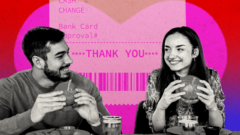
Explore modern dating payment etiquette. Should he pay, split the bill, or alternate? Discover what first date expenses reveal about relationships.
Who Should Pay on a First Date? A Contemporary Dating Question
First date payment etiquette remains one of the most debated topics in modern romance, with individuals holding vastly different views on who should cover expenses. The question of whether to split the bill, have one person pay entirely, or alternate payments reflects broader changes in dating culture and evolving gender dynamics. Understanding various perspectives on first date payment etiquette can help navigate these potentially awkward moments with confidence and respect.
Traditional Views on Dating Expenses
Historically, many people expected the person who initiated the date—traditionally the man—to pay for the entire evening. This convention stemmed from outdated notions of gender roles and courtship practices. For those who still embrace this traditional approach, a man paying for a first date represents romantic gesture and demonstrates commitment. Some individuals argue that if someone asks another person out, they should be prepared to cover the expenses as part of taking on the responsibility of planning the outing. This perspective views treating a date as an investment in getting to know someone and showing genuine interest through financial generosity.
The Case for Splitting the Bill
Conversely, a growing number of people advocate for splitting expenses on a first date. Proponents of splitting the bill contend that when both parties contribute equally to costs, it eliminates power imbalances and establishes a foundation of equality from the outset. This approach reflects changing attitudes toward gender equality and mutual respect between partners. Those favoring bill-splitting argue that it removes assumptions about traditional gender roles and allows both individuals to feel independent and respected. Some people specifically stated they would be put off if a date asked to split expenses, viewing it as a sign of disinterest or financial irresponsibility.
Modern Dating Payment Approaches
Today's dating landscape presents numerous alternatives beyond the traditional two-option approach. Some couples prefer alternating who pays for different aspects of the date—one person covers dinner while the other buys drinks, for instance. Others use this initial outing as an opportunity to propose a specific arrangement openly and honestly. Progressive daters often discuss payment beforehand to avoid unexpected awkwardness. This transparent approach allows both people to express their comfort levels and values without assumptions, ultimately reducing tension during the actual date.
The Asker Pays Principle
A middle-ground perspective suggests that whoever initiates the date should offer to pay. This compromise acknowledges that asking someone out involves extending an invitation, which traditionally carries certain expectations about hospitality. Under this framework, if you invite someone to dinner, the implicit understanding is that you're offering to cover costs. However, the other person can certainly offer to contribute or suggest splitting expenses if they prefer. This approach combines elements of traditional courtesy with modern flexibility.
What First Date Payment Reveals About Compatibility
How couples handle first date payment often signals deeper values and compatibility. Someone's approach to splitting the bill or offering to pay can reveal their attitudes toward gender equality, financial responsibility, and generosity. If one person becomes put off by a partner's payment preferences, it may indicate fundamental differences in worldviews or relationship expectations. These early conversations about money, though sometimes uncomfortable, provide valuable insights into whether two people share compatible values and approaches to shared responsibilities.
Navigating Payment Conversations Gracefully
Rather than assuming what a date expects regarding payment, the most mature approach involves communication. Before a first date, or when the check arrives, individuals can express their preferences respectfully. Some might say, "I'd like to treat you" while others might suggest, "Should we split this?" Being direct about expectations prevents misunderstandings and shows respect for the other person's autonomy. When payment discussions occur naturally and without defensiveness, they often become less awkward and more reflective of genuine compatibility.
Cultural and Personal Factors in Dating Expenses
Payment expectations also vary significantly across different cultures and personal backgrounds. In some cultures, the traditional male-pays model remains predominant, while others have adopted egalitarian approaches more readily. Religious or family traditions may also influence individual preferences regarding first date payment etiquette. Additionally, personal financial circumstances sometimes factor into payment decisions—someone experiencing financial constraints may prefer splitting expenses, which shouldn't be interpreted as lack of interest. Respecting these diverse perspectives allows for more compassionate and nuanced conversations about dating expenses.
Making a Positive Impression Beyond Money
While payment matters, numerous other factors contribute to making a strong first date impression. Courtesy, attentiveness, genuine interest in your companion, and creating an enjoyable experience matter far more than who contributes financially. Someone can demonstrate thoughtfulness through non-financial gestures—suggesting an activity the other person enjoys, choosing a location convenient for both, or ensuring the date flows smoothly. These elements often matter more than the specific financial arrangement for determining whether people want to pursue further connection. The best first dates leave both individuals feeling respected and genuinely seen, regardless of payment methodology.
Conclusion: Finding Your First Date Payment Comfort Zone
There's no universally correct answer to who should pay on a first date. Traditional approaches, bill-splitting, alternating payments, and the "asker pays" method all have merit depending on individual values and circumstances. What matters most is that both people feel respected and comfortable with whatever arrangement unfolds. Rather than rigid rules dictating first date payment etiquette, modern dating thrives when individuals communicate openly about expectations and remain flexible about different perspectives. When both parties prioritize mutual respect and clear communication, payment discussions become less fraught and more reflective of a promising connection.


