US Treasury Chief Warns Iran of Unprecedented Financial Isolation Campaign
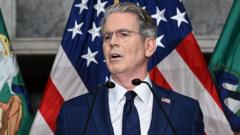
Scott Bessent announces the US will cut all economic ties with Iran and isolate any nation providing financial support. Learn about this major geopolitical deve...
Iran Faces Unprecedented Economic Pressure from United States
The United States has announced what officials are describing as an unprecedented campaign targeting Iran's financial system. Scott Bessent, serving as the nation's top Treasury official, made clear that Washington intends to sever all economic ties with Iran while simultaneously pressuring other nations to abandon their own financial relationships with the country.
Comprehensive Economic Isolation Strategy
According to the Treasury Department's latest position, Iran financial isolation represents a central pillar of American foreign policy strategy. Bessent emphasized that the administration will pursue a comprehensive approach designed to limit Tehran's access to international banking systems, trade networks, and financial institutions. This multifaceted effort goes beyond traditional sanctions frameworks previously implemented against the Iranian government.
Impact on International Partners
A critical component of this strategy involves warning third-party nations about the consequences of maintaining economic relationships with Iran. Bessent made explicit that countries choosing to partner with Iran financially will themselves face isolation from American economic networks. This creates significant pressure on nations balancing their own diplomatic and trade interests with the demands of Washington.
Scope of the Financial Offensive
The scale of what Treasury officials are characterizing as an economic offensive is comprehensive. Traditional banking relationships, trade agreements, and investment partnerships all fall within the scope of potential disconnection. The warning signals that even indirect financial support for Iran could trigger retaliatory measures against third countries. This approach differs from previous strategies by explicitly linking the behavior of other nations to their own economic consequences.
International Business Community Response
Multinational corporations and financial institutions are already assessing the implications of this policy stance. Companies operating in multiple countries face difficult decisions about whether to maintain any business activities connected to Iran or its citizens. The threat of secondary sanctions—penalties against those doing business with sanctioned entities—creates powerful incentives for disengagement.
Historical Context and Escalation
Previous administrations have implemented various sanctions regimes against Iran, but Bessent's language suggests a notably more aggressive posture. By characterizing the effort as the "greatest financial offensive ever," administration officials are signaling this represents an escalation beyond prior measures. The rhetorical emphasis underscores the severity with which policymakers view Iran's current behavior and the urgency with which they plan to respond.
Mechanisms of Economic Pressure
The specific mechanisms through which Iran financial isolation will be enforced likely include restrictions on dollar-denominated transactions, exclusion from international payment systems such as SWIFT, and heightened scrutiny of any financial flows connected to Iranian entities. These tools, combined with enforcement actions against violators, create substantial barriers to Iran's participation in global commerce.
Long-Term Strategic Implications
Treasury Department officials view this comprehensive approach as essential to achieving broader foreign policy objectives. By making the economic costs of association with Iran prohibitively high, policymakers believe they can influence both Iran's behavior and the decisions of nations considering business relationships with Tehran. The strategy assumes that financial pressure will eventually compel policy changes or diplomatic negotiations.
Enforcement and Compliance Challenges
Implementing such a broad economic isolation strategy presents substantial practical challenges. Financial institutions must maintain sophisticated compliance systems to identify and prevent transactions that violate the new parameters. Global supply chains, complex corporate structures, and legitimate humanitarian needs all complicate enforcement efforts. Treasury officials will need to balance the aggressiveness of their approach against operational realities in the international financial system.
Global Economic Relationships at Risk
Nations with existing economic ties to Iran face particularly difficult circumstances. Trading partners in Asia, Europe, and the Middle East must weigh their financial interests against pressure from the United States. Some countries may prioritize their relationships with America, while others may resist what they view as overreach in dictating their sovereign economic choices. This creates potential for significant diplomatic friction in coming months.
The Treasury Department's declaration of what amounts to total economic warfare against Iran represents a significant shift in strategy. By explicitly warning international partners about the costs of maintaining financial relationships with Tehran, and by vowing to sever all American economic ties, Bessent has signaled that the administration views Iran as deserving of the most severe economic response available. The full consequences of this approach will likely become apparent only as financial institutions, corporations, and governments respond to the new policy framework now in effect.


