US Halts HIV Programme Funding in South Africa Amid Health Crisis
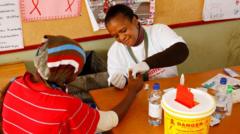
The United States announces suspension of HIV programme funding in South Africa, home to over 8 million HIV cases. Latest updates on international health aid ch...
US Announces Significant Shift in HIV Programme Support
A major policy change is underway as the United States declares its intention to discontinue financial support for HIV programme funding in South Africa, a nation grappling with the world's largest HIV population. This decision marks a pivotal moment in international health cooperation and raises critical questions about the future of treatment accessibility across the region.
The Scale of South Africa's HIV Crisis
South Africa currently faces an unprecedented health challenge, with more than eight million individuals living with HIV – a figure that far exceeds any other nation globally. This substantial population represents both the severity of the epidemic and the critical importance of sustained medical intervention and treatment programmes throughout the country.
The prevalence of HIV in South Africa has created a complex public health landscape requiring continuous investment in prevention, testing, treatment, and care services. With such a large affected population, the infrastructure supporting these programmes has become deeply dependent on international funding mechanisms, particularly from major donors like the United States.
Implications of Reduced Funding
The decision to halt HIV programme funding in South Africa carries significant ramifications for healthcare delivery systems across the nation. Local health facilities, community health workers, and treatment centres have relied substantially on these financial contributions to maintain antiretroviral therapy programmes, counselling services, and prevention initiatives.
Healthcare organizations throughout South Africa have structured their operations around predictable funding streams, making sudden withdrawals potentially disruptive to patient care continuity. The timing and scale of this funding reduction will directly impact the availability of essential medicines, diagnostic testing capabilities, and trained personnel dedicated to HIV management.
Global Health Funding Landscape
This development occurs within a broader context of shifting international health priorities and budgetary constraints facing donor nations. The United States has historically been among the largest contributors to HIV programmes globally, and changes in its funding commitments reverberate throughout the international health community.
Other bilateral and multilateral organizations now face increased pressure to fill potential gaps left by reduced American investment. The Global Fund to Fight AIDS, Tuberculosis and Malaria, PEPFAR (President's Emergency Plan for AIDS Relief), and various non-governmental organizations will likely become focal points for alternative funding discussions.
South Africa's Response and Path Forward
South African health officials and programme administrators are assessing the full scope of this funding withdrawal and developing contingency strategies. The nation must explore domestic resource mobilization, negotiate with alternative international partners, and potentially restructure existing programme frameworks to accommodate reduced external financing.
Government agencies, private healthcare sectors, and civil society organizations are engaging in urgent discussions to identify sustainable solutions. Some programmes may require consolidation, while others might benefit from enhanced efficiency measures and technological innovation to maintain service delivery standards.
Broader Consequences for Regional Health Systems
Beyond direct treatment implications, the suspension of HIV programme funding in South Africa could have cascading effects on regional health infrastructure and training programmes. Many neighbouring countries benefit from knowledge sharing and operational partnerships with South African institutions, meaning funding reductions might extend their impact across southern Africa.
The healthcare workforce – including physicians, nurses, counsellors, and laboratory technicians – represents a crucial asset developed through years of donor-supported training initiatives. Protecting this human capital remains essential for long-term programme sustainability, regardless of external funding fluctuations.
Looking Ahead
As stakeholders navigate this significant transition, the focus remains on preventing service interruptions for the millions of South Africans dependent on HIV treatment and support services. Innovative financing mechanisms, enhanced efficiency protocols, and international collaboration will be essential components of any successful adaptation strategy moving forward.


