Ukraine's Military Chief Steps Down Amid Public Pressure
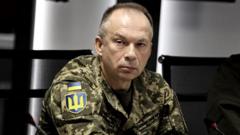
Oleksandr Syrskyi dismissed as Ukraine's top army commander following protests over Defence Minister Mykhailo Fedorov's removal. Latest developments.
Ukraine's Military Leadership Undergoes Major Reshuffle
A significant shake-up in Ukraine's military hierarchy has occurred as the top military official has been removed from his position, marking another turning point in the nation's leadership structure. The Ukraine army commander dismissal comes amid widespread public dissatisfaction and growing pressure from civilians and political figures alike.
The Dismissal of Oleksandr Syrskyi
Oleksandr Syrskyi, who held the position of Commander-in-Chief of Ukraine's Armed Forces, has been relieved of his duties following days of intense public demonstrations and political backlash. The decision reflects mounting tensions within the defense establishment and escalating concerns about military strategy and personnel management at the highest levels.
The removal of this senior military figure represents a critical juncture for Ukraine's armed forces at a time when the nation faces substantial security challenges. Syrskyi's departure signals a broader reassessment of military leadership priorities and operational direction within the Ukrainian defense apparatus.
Connection to Defence Minister Controversy
The dismissal of Oleksandr Syrskyi is directly connected to the controversial removal of Mykhailo Fedorov, the popular Defence Minister who had gained considerable public support and respect. Fedorov's departure sparked immediate protests and expressions of discontent across multiple segments of Ukrainian society, including military personnel, civilians, and opposition figures.
The consecutive departures of both high-ranking officials have triggered widespread concern about the stability and direction of Ukraine's defense establishment. Citizens and military observers have questioned the rationale behind removing officials perceived as effective and competent during a critical period for national security.
Public and Military Response
Days of sustained protests preceded the Ukraine army commander dismissal, demonstrating the depth of public feeling regarding these leadership changes. The demonstrations reflected broader anxieties about decision-making processes within the government and the military chain of command.
Military personnel and defense sector analysts have expressed concerns about potential disruptions to operational continuity and strategic planning. The removal of senior commanders during ongoing security operations raises questions about the timing and reasoning behind such significant personnel decisions.
Political Implications and Future Direction
These leadership changes carry substantial implications for Ukraine's political landscape and military effectiveness. The government's decision to remove both the Defence Minister and the Ukraine army commander suggests a fundamental shift in strategic priorities or a reassessment of the current military approach.
Questions remain regarding the criteria used for these decisions and whether they reflect broader policy changes or responses to specific operational concerns. The manner in which these transitions occur will likely influence public confidence in the government's handling of defense matters.
Looking Forward
The removal of Oleksandr Syrskyi marks a pivotal moment for Ukraine's military institutions. Successor leadership will inherit significant responsibilities during a period of heightened national security focus. How the government manages this transition and communicates changes to the public will be crucial for maintaining institutional stability and public trust.
The dismissal of the Ukraine army commander, coupled with previous changes in defense leadership, underscores ongoing debates about military strategy, personnel management, and the balance between civilian and military authority. These developments will continue to shape discussions about national defense priorities and governance in the coming weeks and months.


