Ukraine Strikes Russian Grain Export Facilities in Black Sea Port Operation
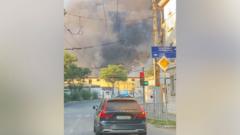
Ukraine targets major Russian grain export terminals in Black Sea port attack, impacting both nations' grain shipments and global agricultural trade.
Ukraine Conducts Strike on Russian Grain Export Infrastructure
A significant military operation has resulted in damage to critical Russian grain export terminals located in Black Sea ports, marking an escalation in the ongoing conflict between Ukraine and Russia. The Ukrainian strike on Russian grain export terminals represents a strategic move that directly impacts global grain supply chains and the agricultural sectors of both nations involved in the hostilities.
The attack targeted key infrastructure facilities responsible for transporting grain from Russian territory to international markets. These Russian grain export terminals serve as vital conduits for one of the world's largest grain producers, making their operational status crucial to global food security and commodity markets worldwide.
Impact on Bilateral Trade and Global Markets
Grain exports from both Russia and Ukraine have experienced substantial declines as military operations continue to disrupt normal commercial shipping activities. The reciprocal nature of these attacks has created a challenging environment for agricultural commerce in the region, with both nations targeting each other's maritime infrastructure and logistics networks.
Ukraine has implemented strategic measures aimed at Russian grain export terminals to restrict Moscow's ability to profit from agricultural sales abroad. Simultaneously, Russian forces have targeted Ukrainian shipping facilities and port operations in an effort to undermine Kyiv's capacity to export its own grain reserves.
Broader Consequences for Global Agricultural Supply
The damage to Russian grain export terminals carries significant implications beyond bilateral concerns. As major suppliers of wheat, barley, and other grains to international markets, disruptions to export capacity create ripple effects throughout global commodity markets and affect food security in numerous countries dependent on Black Sea grain supplies.
Both nations have historically relied on Black Sea ports as the primary route for maritime grain shipments. The ongoing targeting of these facilities has forced exporters to seek alternative routes, which increases transportation costs and delays delivery timelines for international buyers.
Strategic Military Considerations
The focus on grain export terminals reflects the economic dimension of the broader conflict. By targeting each other's commercial infrastructure, both Ukraine and Russia attempt to weaken their opponent's financial resources and international trade capabilities. Russian grain export terminals represent valuable assets that generate substantial foreign currency revenues essential for funding military operations and maintaining economic stability.
Ukrainian strategy targeting these facilities aims to diminish Russia's economic capacity and reduce revenues that support military expenditures. The interdependency between military capability and economic resources makes grain export infrastructure a logical focal point for military operations in this prolonged conflict.
Shipping Disruptions and Commercial Navigation
Attacks on port facilities have created dangerous conditions for commercial shipping throughout the Black Sea region. Insurance companies and shipping corporations have reassessed risk factors, leading to increased premiums and reduced vessel availability for grain transport operations. These commercial pressures further constrain the movement of grain from affected ports.
The deteriorating security situation in Black Sea waters has prompted many international shipping companies to avoid the region entirely or demand significant risk premiums for services rendered. This defensive commercial response exacerbates the already severe supply chain disruptions caused by direct military action against Russian grain export terminals and related infrastructure.
Looking Forward
The situation surrounding Russian grain export terminals remains fluid and dependent on the trajectory of the broader military conflict. International observers monitor developments closely, given the critical importance of Black Sea grain supplies to global food security and the economic consequences for numerous countries reliant on these agricultural exports.


