UK Emergency Stockpile Campaign Drives Bottled Water Sales Surge
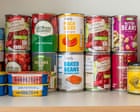
UK government's Be Ready campaign sparks bottled water sales surge. Retailers report jump in emergency supplies demand for 72-hour preparation.
Bottled Water Sales Surge Following Government Emergency Advisory
A significant increase in bottled water sales has been recorded across the United Kingdom following the government's latest emergency preparedness guidance. Retailers nationwide are reporting unprecedented demand for bottled water as households respond to official recommendations to maintain emergency supplies capable of sustaining families for a 72-hour period.
Be Ready Campaign Triggers Consumer Response
The government's Be Ready campaign, launched recently, has catalyzed a widespread shift in consumer purchasing behavior. This initiative aims to encourage households throughout Britain to stockpile essential provisions in anticipation of potential emergencies, whether stemming from extreme weather events or infrastructure vulnerabilities.
Bottled water represents just one component of the surge in emergency-related purchases. Retailers have documented remarkable increases across multiple product categories as citizens take the government's recommendations seriously and begin assembling comprehensive emergency kits for their families.
Expanding Beyond Water: Diverse Emergency Supplies
The ripple effects of the Be Ready campaign extend far beyond bottled water alone. Supermarket chains and retail outlets report concurrent increases in tinned food purchases, with consumers seeking shelf-stable protein sources and preserved vegetables that require no refrigeration or preparation. These products align perfectly with the 72-hour emergency supply recommendation provided by government advisors.
Wind-up radios have experienced particularly notable sales growth, reflecting consumer awareness about potential communication disruptions during emergencies. Unlike battery-powered alternatives, wind-up radios offer reliability independent of power availability, making them practical choices for households concerned about infrastructure disruptions or cyber-attacks affecting electrical systems.
Emergency Preparedness Goes Mainstream
Torches and flashlights have similarly seen demand surge across retail channels. These items represent essential components of emergency preparation protocols, providing illumination during potential power outages resulting from either weather-related incidents or cyber-security threats to critical infrastructure.
The government's emphasis on household preparedness has effectively elevated emergency planning from a niche concern to mainstream consumer behavior. Families are increasingly recognizing the prudence of maintaining stockpiles that could sustain them through extended disruptions to normal services or supply chains.
Consumer Sentiment and Market Response
Retailer feedback indicates that this surge in bottled water sales and related emergency supplies reflects genuine consumer concern about potential risks. Rather than panic buying, the pattern suggests calculated household management, with shoppers making deliberate choices about which emergency items to prioritize.
The diverse nature of purchases—combining bottled water with tinned food, communication devices, and lighting equipment—demonstrates that households are adopting comprehensive approaches to emergency preparedness rather than focusing narrowly on single categories.
Looking Ahead: Sustained Demand Expectations
Industry analysts anticipate continued elevated demand for emergency supplies throughout the coming weeks. The Be Ready campaign's messaging appears to have resonated effectively with the British public, creating sustained consumer interest in preparedness products that may persist well beyond the initial campaign period.
Bottled water sales, in particular, are expected to remain elevated as households prioritize water security within their emergency planning strategies. Water represents a fundamental survival requirement, making it a cornerstone of any serious household emergency supply system.