Trump Scales Back US-South Korea Military Drills Over Iran Tensions
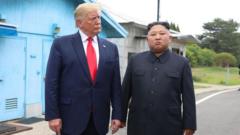
Trump announces reduction in US-South Korea military exercises citing diplomatic relations with North Korea and efforts to maintain regional stability.
Trump Administration Reduces Military Exercise Scope
The Trump administration has decided to significantly scale back US South Korea military drills, marking a notable shift in defense strategy in the Korean Peninsula. This decision comes as part of broader efforts to maintain diplomatic channels with North Korea while managing international tensions stemming from regional conflicts.
President Trump emphasized the importance of his personal relationship with North Korean leadership in influencing this policy adjustment. The US South Korea military drills have traditionally served as deterrents and readiness measures, but the administration views the reduction as necessary for diplomatic engagement.
Strategic Reasoning Behind the Decision
Trump cited his "very good relationship" with North Korea's leader as a critical factor in determining to downsize these military exercises. The administration believes that maintaining lower-profile defense activities could facilitate ongoing negotiations and reduce tensions on the peninsula.
The timing of this announcement reflects the broader geopolitical landscape where the United States has faced pressure to manage multiple international conflicts simultaneously. By reducing the scale of US South Korea military drills, the administration seeks to demonstrate commitment to dialogue while maintaining defensive capabilities.
Implications for Regional Security
The decision to reduce military exercise operations raises important questions about deterrence strategy in Northeast Asia. South Korea, as a key ally, continues to face security challenges from North Korea despite diplomatic overtures. The scaling back of joint defense activities must be balanced against the need for credible defense postures.
Trump's approach reflects a departure from previous administrations that conducted large-scale exercises as routine deterrence measures. These US South Korea military drills traditionally involved thousands of personnel and advanced military equipment demonstrations.
Historical Context of Joint Exercises
South Korea and the United States have maintained extensive military cooperation for decades. The joint exercises have served multiple purposes: testing interoperability between forces, demonstrating allied commitment, and maintaining readiness against potential threats.
Previous administrations conducted exercises like Ulchi Freedom Shield and Key Resolve as regular events, sometimes multiple times annually. These operations involved significant resources and personnel deployments, reflecting the strategic importance of the alliance.
Diplomatic Engagement Strategy
The Trump administration's willingness to modify military posture demonstrates a prioritization of diplomatic engagement. By reducing the visibility and scale of defense drills, officials believe they can create more favorable conditions for negotiation.
This strategy represents a calculated risk: maintaining alliance credibility while signaling openness to North Korean leadership. The decision requires careful coordination with South Korean officials to ensure national security remains protected despite smaller exercise operations.
Future Outlook and Considerations
The reduction in US South Korea military drills will require continuous reassessment based on diplomatic progress and regional developments. Security experts remain divided on whether this approach strengthens or weakens deterrence in the peninsula.
Moving forward, the administration must balance multiple objectives: supporting South Korea's security needs, maintaining the US-Korea alliance, pursuing diplomatic goals with North Korea, and managing broader international tensions. The scaling back of these exercises represents one component of this complex strategy that will evolve based on geopolitical circumstances and diplomatic outcomes.


