Trump Administration Blocks Chinese Humanoid Robot Imports
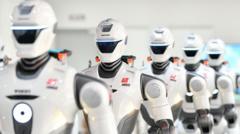
Trump administration bans new Chinese humanoid robots in major policy shift. Discover how this decision impacts the US-China AI and robotics competition.
Trump Administration Takes Action Against Chinese Humanoid Robot Imports
The Trump administration has implemented a significant restriction targeting Chinese humanoid robots, marking a pivotal moment in the intensifying competition between the United States and China over dominance in robotics and artificial intelligence technologies. This policy decision reflects growing concerns about technological dependency and intellectual property protection in the rapidly advancing field of autonomous systems.
The Strategic Importance of Humanoid Robotics
Humanoid robots represent one of the most cutting-edge developments in modern robotics, with applications spanning manufacturing, healthcare, research, and domestic services. These advanced machines are designed to perform tasks traditionally handled by human workers, offering increased efficiency and precision. The restriction on Chinese humanoid robots underscores the critical nature of this technology sector for future economic competitiveness and national security interests.
Understanding the Global Robotics Race
The technological competition between the United States and China extends far beyond individual products or companies. Both nations recognize that artificial intelligence and robotics infrastructure will determine economic leadership for decades to come. Chinese manufacturers have made substantial progress in developing humanoid robotics capabilities, prompting American policymakers to reassess import policies and protect domestic innovation pipelines.
Impact on Technology Supply Chains
The ban on new Chinese humanoid robot imports has immediate implications for technology supply chains across multiple sectors. Companies relying on these systems for research, development, or production operations may face disruptions or increased costs as they seek alternative solutions. Manufacturers and technology firms operating in the United States will need to adapt their procurement strategies and consider increased investment in domestic robotics development.
Broader Implications for US-China Relations
This policy decision is part of a comprehensive approach to technology competition with China. The Trump administration's stance on Chinese humanoid robots reflects deeper concerns about maintaining American technological superiority and protecting critical innovations from foreign acquisition or reverse engineering. The move signals a commitment to strengthening domestic capabilities in artificial intelligence and advanced robotics sectors.
Regulatory Framework and Implementation
The ban operates within existing trade and technology control mechanisms, providing clear guidelines for importers and manufacturers. Companies must ensure compliance with the new restrictions on Chinese humanoid robots, which may require certification processes and detailed reporting requirements. Government agencies responsible for trade enforcement have established protocols to monitor adherence and prevent unauthorized imports.
Industry Response and Adaptation
Technology companies and research institutions are evaluating the long-term implications of restrictions on Chinese humanoid robots for their operations and strategic planning. Some organizations are accelerating investments in domestic robotics development, while others explore partnerships with non-Chinese manufacturers. The industry landscape is shifting toward greater emphasis on reshoring critical technologies and building more resilient supply chains.
Investment in Domestic Innovation
Policymakers recognize that blocking imports alone is insufficient; developing robust domestic capabilities in humanoid robotics requires sustained investment and strategic planning. Research institutions and private companies are receiving increased attention and potential funding opportunities to advance American-made robotics solutions. This approach aims to create a competitive ecosystem where American innovation can flourish without external technological competition.
Future Outlook for Robotics Policy
The ban on Chinese humanoid robots may represent the beginning of more comprehensive technology restrictions affecting artificial intelligence development. Future policy decisions will likely focus on protecting emerging technologies while maintaining enough international collaboration to advance scientific progress. Balancing national security concerns with technological innovation remains a central challenge for policymakers moving forward.


