Summer Dress Code: Can Your Employer Control What You Wear?
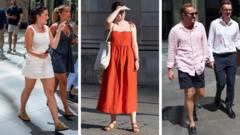
Discover workplace dress code rules for summer clothing. Learn your rights regarding shorts, tops and sandals, and how to balance professional style with comfor...
Understanding Summer Dress Code Rights in the Workplace
The question of summer workplace dress code has become increasingly relevant as temperatures rise and employees seek comfort during warmer months. Your employer's authority over summer dress code varies significantly depending on industry standards, company policies, and local employment laws. While many organizations maintain specific guidelines for professional appearance year-round, understanding your rights regarding summer clothing choices is essential for navigating workplace expectations effectively.
What Employers Can and Cannot Dictate
Most employers retain the legal right to establish workplace dress codes as part of their professional standards and brand image. However, summer dress code requirements must comply with several important principles. Companies cannot enforce discriminatory policies based on protected characteristics such as gender, race, religion, or disability status. Additionally, dress codes must be reasonable and directly related to legitimate business interests.
Summer workplace attire often becomes contentious because employees naturally desire lighter, more breathable clothing. Employers must balance professional image maintenance with employee comfort and well-being. Many forward-thinking organizations have relaxed their summer dress code policies, recognizing that comfortable employees tend to be more productive and satisfied.
Common Summer Clothing Items and Their Acceptability
Shorts represent one of the most debated summer dress code elements. While casual workplaces frequently permit shorts, more conservative industries and formal office environments typically maintain restrictions against them. The same principle applies to strappy tops and sandals. Sleeveless garments, tank tops, and minimalist footwear face varying acceptance levels across different sectors.
Professional summer dress code standards generally depend on your industry. Creative agencies, technology companies, and startups typically embrace more relaxed summer dress code guidelines. Conversely, law firms, financial institutions, and customer-facing roles in traditional industries often maintain stricter requirements even during warmer months.
How to Style for Success During Summer
Achieving professional summer dress code compliance while maintaining comfort requires strategic clothing choices. Lightweight cotton and linen fabrics provide breathability without compromising professionalism. Maxi skirts, cropped trousers, and lightweight blazers offer professional aesthetics with summer-appropriate functionality.
Consider your specific workplace culture when making summer dress code decisions. If your organization permits casual Friday attire, this often extends to more relaxed summer dress code policies during the entire season. Observing what colleagues wear provides valuable insights into actual dress code enforcement versus official written policies.
Navigating Your Company's Summer Dress Code Policy
Before assuming restrictions, review your employee handbook thoroughly. Many organizations explicitly outline summer dress code modifications. If no formal summer dress code policy exists, consult your direct manager or human resources department for clarification. This proactive approach prevents misunderstandings and demonstrates respect for workplace guidelines.
Documentation matters significantly in summer dress code disputes. If your employer enforces inconsistent summer dress code standards or applies them discriminatorily, keep records of these instances. This information becomes valuable if formal complaints become necessary.
Creating Positive Change in Your Workplace
If your company's current summer dress code feels unreasonably restrictive, consider proposing modifications. Present practical arguments emphasizing productivity benefits, employee retention, and temperature-related workplace comfort. Many successful companies have implemented flexible summer dress code policies after employee feedback and research presentations.
Collective discussions about summer dress code can be effective when handled professionally. Some employees have successfully advocated for casual summer dress code days or seasonal modifications. Approach these conversations constructively, acknowledging legitimate business interests while presenting employee perspectives.
Legal Considerations and Employee Rights
Employment law regarding summer dress code varies by jurisdiction. Some regions provide stronger employee protections against excessive dress code restrictions. Religious employees may require accommodations in summer dress code policies to maintain observance practices while maintaining professional standards.
Understanding your legal protections ensures you can confidently assert reasonable summer dress code boundaries. If your employer's summer dress code requirements conflict with religious practices or create genuine hardship, legal remedies may be available.
The Bottom Line on Summer Dress Code Expectations
Your employer generally maintains authority over summer dress code within legal and reasonable limits. However, employees possess corresponding rights to comfortable, non-discriminatory workplace conditions. The most successful arrangements involve mutual respect and compromise regarding summer dress code standards. By understanding both employer rights and employee protections, you can navigate summer workplace dress code confidently while maintaining professional standards and personal comfort.


