Suffolk Wildfire Continues Expanding with Unpredictable Spread, Officials Warn
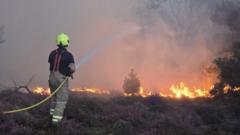
Suffolk wildfire remains uncontrolled and unpredictable as firefighters battle the blaze on the coast. Learn how long crews expect to maintain operations.
Suffolk Wildfire Remains Active and Growing
A significant Suffolk wildfire continues to expand along the coastal region with unpredictable behavior patterns that have complicated ongoing containment efforts. Fire service officials have issued updated statements regarding the duration and intensity of the emergency response, indicating that personnel will maintain active operations at the scene for a minimum of 48 hours.
The Suffolk wildfire has demonstrated challenging characteristics that make forecasting its trajectory increasingly difficult for emergency management teams. Environmental conditions, including wind patterns and vegetation density, have created a dynamic situation that requires continuous reassessment of firefighting strategies and resource allocation.
Extended Operations Expected at Coastal Location
Firefighting crews anticipate remaining deployed at the affected area for at least two additional days. This extended timeline reflects the complexity of the emergency response and the substantial fuel load available across the landscape. Personnel from multiple fire service stations have been coordinated to manage the situation effectively.
Why the Wildfire Remains Unpredictable
Several factors contribute to the unpredictable nature of this Suffolk wildfire event. Wind direction changes can rapidly alter the fire's path, potentially threatening new residential areas or previously cleared zones. Vegetation types across the region burn at different rates, creating inconsistent advancement patterns that complicate prediction models used by incident commanders.
Moisture levels within the affected terrain also play a critical role in determining how the fire behaves. Areas with lower humidity indices experience more rapid fire progression, while slightly dampened zones may slow advancement temporarily. This variability requires continuous monitoring and real-time tactical adjustments.
Fire Service Response and Resource Deployment
The fire service has mobilized substantial resources to address this emergency. Firefighting teams operate with specialized equipment designed for wildfire suppression, including aerial water drops when conditions permit and ground-based firebreaks to prevent further expansion.
Command centers have been established to coordinate between different operational zones. This centralized management approach ensures that personnel operate safely while maximizing effectiveness in containing the Suffolk wildfire spread.
Anticipated Challenges During Continued Operations
Weather forecasting remains critical during extended firefighting operations. If wind speeds increase or shift direction unexpectedly, the fire's behavior could change dramatically. Fire service planners must prepare contingency strategies for multiple scenarios.
Personnel fatigue represents another significant consideration during multi-day operations. Rotation schedules are implemented to ensure crews remain sharp and capable of responding to sudden developments. Adequate rest and resource management become essential components of sustained emergency response.
Community Impact and Safety Measures
Residents in nearby communities continue to monitor the situation closely. Evacuation protocols remain in place for areas potentially threatened by the Suffolk wildfire expansion. Local authorities coordinate communication channels to provide timely updates regarding any changes in the emergency status.
Safety perimeters have been established around the affected zone to prevent public access to dangerous areas. Barriers and signage direct traffic away from active firefighting operations, protecting both emergency responders and civilians.
Outlook and Next Steps
As the fire service maintains its presence at the scene through the anticipated 48-hour minimum window, officials will continue collecting data regarding fire behavior and environmental conditions. This information will inform decisions about resource allocation and strategy modifications.
The unpredictable nature of the Suffolk wildfire emphasizes the importance of ongoing monitoring and adaptive management approaches. Regular briefings from incident commanders will update stakeholders on progress and any changes to operational timelines. Community members are encouraged to remain vigilant and follow all official guidance regarding safety precautions and evacuation procedures if necessary.


