Strait Negotiations Show Promise as Iran Sets Conditions for Deal
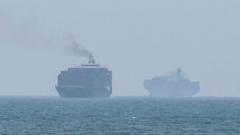
Hormuz strait talks advance with positive signals from Oman, though Iran warns any agreement won't automatically open shipping routes. Negotiations continue.
Hormuz Strait Negotiations Show Positive Momentum
Recent Hormuz strait negotiations have demonstrated encouraging progress as regional parties work toward establishing a new maritime shipping corridor. Oman has publicly indicated that discussions between relevant stakeholders are advancing constructively, signaling a potential breakthrough in long-standing disputes over passage through one of the world's most critical waterways.
The Hormuz strait negotiations represent a crucial effort to resolve tensions that have threatened global trade and energy security. Participants in these talks acknowledge that substantive dialogue is occurring, though officials caution that reaching a final agreement remains uncertain at this stage.
Iran's Strategic Position on the Shipping Agreement
Iran has taken a notably cautious stance regarding the Iran shipping agreement framework being discussed. Iranian authorities have explicitly warned that any deal reached would not automatically open the strait to unfettered international commerce. This conditional approach reflects Tehran's broader strategic interests in maintaining leverage over one of the world's most strategically important maritime passages.
The Iranian perspective underscores that an agreement would constitute a negotiated arrangement rather than a unilateral opening of waterways. Officials have indicated that specific terms, conditions, and security protocols would need to be established as part of any binding accord. This stance complicates negotiations but also provides a foundation for understanding what various parties expect from a potential settlement.
Oman's Diplomatic Leadership
Oman has emerged as a key diplomatic mediator in these discussions, leveraging its geographic position and neutral standing in regional affairs. The Sultanate's willingness to convene talks and facilitate dialogue between parties has been instrumental in maintaining momentum during negotiations. Oman diplomatic talks have created a platform where representatives can discuss shared concerns and explore common ground.
As a nation with significant interests in maritime commerce, Oman recognizes the economic implications of shipping disruptions affecting the strait. The country's diplomatic efforts aim to balance the legitimate security concerns of all parties while advancing commercial interests that benefit regional stability and international trade.
Progress on the Middle East Maritime Route
The proposed Middle East maritime route framework encompasses detailed discussions about navigation protocols, safety measures, and dispute resolution mechanisms. Both sides have suggested that technical working groups have made measurable headway on specific provisions that would govern transit through the passage.
The complexity of establishing a new strait of Hormuz shipping arrangement reflects the numerous stakeholders involved and their divergent interests. These parties must reconcile competing demands regarding vessel inspections, military presence, and revenue arrangements. Despite these challenges, negotiators continue seeking formulas that might satisfy multiple parties' core requirements.
Outstanding Questions and Uncertainties
While optimistic rhetoric from participating nations suggests genuine progress, significant uncertainties remain regarding whether fundamental agreements can be achieved. Questions persist about enforcement mechanisms, verification procedures, and how the arrangement would handle disputes between signatory parties. Additionally, third-party nations with commercial interests in the strait may need reassurance about the arrangement's sustainability.
The lack of clarity about a concrete breakthrough indicates that substantial work remains before any agreement reaches finalization. Negotiators must address technical details, security protocols, and political considerations that could determine whether the current momentum produces a binding accord or gradually dissolves as positions prove irreconcilable.
International Implications and Trade Concerns
Global shipping interests and energy markets continue monitoring developments with significant concern. The Hormuz strait represents a critical chokepoint through which approximately one-third of world maritime oil trade passes. Any disruption or instability affects fuel prices, supply chains, and economic activity worldwide, making successful negotiations a matter of international importance.
International observers recognize that a sustainable agreement addressing maritime security in this region would provide reassurance to shipping companies and energy producers who depend on consistent, predictable access to this vital waterway. The successful conclusion of Hormuz strait negotiations could contribute meaningfully to regional stability and global economic confidence.
Path Forward for Future Discussions
Delegations have reportedly scheduled additional rounds of negotiations to address remaining points of contention. These upcoming sessions will prove critical in determining whether preliminary progress crystallizes into binding commitments or whether entrenched positions prevent movement toward consensus.
The coming weeks and months will reveal whether the current positive momentum in talks translates into substantive results. All parties have expressed commitment to continued dialogue, though each maintains reservations about potential concessions and implementation challenges. The ultimate outcome will significantly impact maritime commerce, regional relations, and global energy security for years to come.


