Royal Navy Faces Critical Gaps Against Russian Arctic Threat
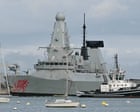
UK Parliament's Defence Committee warns Royal Navy lacks submarines and warships to counter Russian aggression in Arctic waters. Urgent modernization needed.
Parliamentary Warning on Arctic Naval Capabilities
The UK Parliament's Defence Select Committee has raised serious concerns about whether the Royal Navy can effectively counter emerging Russian military capabilities in the high north. MPs emphasize that the Royal Navy Arctic threat requires immediate strategic attention, as current force levels fall significantly short of what experts believe necessary to maintain credible deterrence against Moscow's expanding operations in northern waters.
According to the committee's assessment, Britain faces a mounting risk of being unable to respond adequately to Russian aggression in Arctic and sub-Arctic regions surrounding UK territory. The findings underscore a critical vulnerability in Britain's naval posture during a period of heightened geopolitical tension with Russia.
Submarine Fleet Constraints and Operational Limitations
One of the most alarming indicators cited by MPs involves the readiness crisis affecting Britain's attack submarine fleet. During summer 2026, all five Astute-class submarines underwent maintenance or repairs simultaneously, leaving zero operational vessels available for immediate deployment. This unprecedented situation highlighted the strain on the Royal Navy's submarine force structure and maintenance capabilities.
The committee expressed particular concern about the aging of Britain's submarine fleet and the timeline for replacing current vessels with newer platforms. Experts warn that submarine availability will likely deteriorate further without significant additional investment in both construction capacity and dry-dock facilities. The Royal Navy Arctic threat cannot be adequately managed with a single submarine on active patrol at any given time, yet current resources suggest this remains the realistic operational picture.
Surface Fleet Deterioration and Frigate Shortage
Beyond submarine constraints, the Defence Committee highlighted alarming trends in the surface fleet. The number of operational frigates continues declining, reducing the Royal Navy's capacity to conduct sustained patrols and escort operations throughout northern waters and surrounding regions. Modern frigates serve as the workhorses of naval operations, capable of independent missions ranging from anti-submarine warfare to surface combat.
The deployment of HMS Dragon to Cyprus during spring 2026 provided a telling case study. The delayed and problematic nature of this seemingly routine deployment revealed underlying logistical and readiness challenges throughout the service. Such operational friction suggests systemic pressures affecting the entire fleet's ability to respond to emerging threats.
Strategic Implications and Russian Military Expansion
Russia's modernization of its Northern Fleet has accelerated significantly in recent years, with Moscow expanding nuclear submarine operations, establishing new Arctic bases, and conducting increasingly ambitious military exercises throughout the north Atlantic and Arctic regions. Russian activity in these waters directly affects Britain's maritime interests, offshore energy infrastructure, and strategic security positioning.
MPs warn that without dramatic progress in force structure and capability development by the end of this decade, Britain risks ceding strategic influence in regions vital to national security. The Defense Committee's report signals that current funding and resource allocation levels cannot support the operational tempo required to maintain credible deterrence against Russian military capabilities.
Investment and Modernization Urgency
The committee emphasizes that dramatic progress must be achieved within the next five years to reverse current negative trends. This timeline reflects growing urgency around emerging threats and the extended lead times required to construct new submarines and warships. Simply maintaining current inventory levels will prove insufficient; the Royal Navy Arctic threat requires active growth in operational capacity.
Defense analysts note that achieving these objectives demands sustained political commitment to naval spending, streamlined procurement processes, and coordination with allied nations possessing complementary capabilities. The committee's warning suggests that incremental improvements or modest funding increases will not address the strategic gap currently facing Britain's naval forces.
Broader Naval Strategy Implications
Beyond Arctic-specific concerns, the committee's findings raise questions about Britain's overall naval strategy and force structure planning. The Royal Navy Arctic threat represents just one component of a broader maritime security challenge facing the UK, including operations in the Mediterranean, Indo-Pacific, and home waters surrounding Britain itself.
The apparent gap between strategic ambitions and available resources reflects pressures affecting defense spending across multiple domains. However, experts increasingly recognize Arctic security as a critical priority that cannot be deferred without accepting significant strategic risk.
The Defence Committee's intervention signals parliamentary concern that current trajectories remain unsustainable and that major policy and investment decisions cannot be delayed further without undermining Britain's deterrent capabilities in northern waters and protecting UK interests against the evolving Russian military challenge.