RFK Jr's Hepatitis B Vaccine Trial Approved in Guinea-Bissau
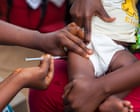
Danish researchers advance controversial hepatitis B vaccine trial in Guinea-Bissau that withholds doses from newborns, supported by HHS secretary RFK Jr's vacc...
Controversial Hepatitis B Vaccine Trial Moves Forward in Guinea-Bissau
A contentious hepatitis B vaccine trial has received regulatory clearance to proceed in Guinea-Bissau this week, marking a significant moment in ongoing debates surrounding vaccine protocols and immunization strategies for vulnerable populations. The hepatitis B vaccine trial, which involves withholding recommended doses from thousands of newborns in the West African nation, has drawn considerable attention due to its connection to prominent figures within the U.S. health administration.
Danish Research Initiative and Its Scope
The research project, conducted by Danish researchers, represents an unconventional approach to understanding hepatitis B vaccine distribution and immune response patterns. Rather than providing standard immunization protocols, the trial deliberately restricts hepatitis B vaccine doses to specific cohorts of newborns to examine alternative vaccination strategies and their long-term health outcomes. This methodology has sparked significant discussion within medical and ethical circles globally.
Connection to Secretary RFK Jr's Vision
Robert F Kennedy Jr, who serves as secretary of the U.S. Department of Health and Human Services (HHS), has long been associated with alternative perspectives on vaccine policy and immunization schedules. The hepatitis B vaccine trial aligns with philosophical approaches that Kennedy has championed throughout his career as a vaccine policy advocate. His position at the helm of HHS has positioned him to influence research initiatives that reflect his views on vaccination protocols and medical autonomy.
Background on RFK Jr's Vaccine Advocacy
Kennedy's involvement in vaccine-related discussions spans several decades. As a longtime vaccine opponent, he has questioned conventional immunization schedules and promoted what he describes as more cautious approaches to vaccine administration. His transition from activist to government official has enabled him to shape policy conversations at the federal level, directing attention toward studies like the hepatitis B vaccine trial in Guinea-Bissau.
Regulatory Approval Process
The approval of the hepatitis B vaccine trial represents the culmination of a regulatory review process in Guinea-Bissau's health authorities. Local and international oversight bodies assessed the research protocol, ethical considerations, and informed consent procedures before granting authorization. The green light from regulatory bodies suggests that officials determined the trial met established criteria for research advancement, despite ongoing public concerns about the study's methodology.
Global Implications and Oversight Concerns
The hepatitis B vaccine trial carries implications for international medical research standards and how vaccine studies are conducted in developing nations. Critics have raised questions about whether participants in Guinea-Bissau fully understood the experimental nature of the hepatitis B vaccine protocol and the potential risks associated with withheld immunizations. International health organizations and medical ethics boards continue monitoring the trial's implementation and results.
Newborn Health and Immunization Questions
Newborns represent one of the most vulnerable populations requiring robust immunization protection. Withholding the hepatitis B vaccine during infancy raises questions about disease prevention and mortality risks in a region where hepatitis B transmission remains a public health concern. The hepatitis B vaccine trial's approach fundamentally differs from standard pediatric care protocols established by organizations like the World Health Organization.
Future Developments and Monitoring
As the hepatitis B vaccine trial progresses in Guinea-Bissau, researchers will document immune responses, disease incidence rates, and health outcomes among participating newborns. Results from this study may influence vaccine policy discussions globally and potentially reshape recommendations around immunization schedules. The trial's findings will likely generate continued debate among public health professionals, policymakers, and medical ethicists regarding the optimal approaches to infectious disease prevention in developing regions.