Revolutionary 'Curie' Microscope Aims to Unlock Inflammatory Bowel Disease Secrets
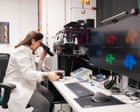
Groundbreaking microscopy technology operating at 10x conventional resolution offers new hope for understanding and treating incurable bowel conditions affectin...
Advanced Microscopy Technology Offers New Hope for Inflammatory Bowel Disease
Scientists and medical researchers have developed an innovative solution in their ongoing battle against incurable inflammatory bowel disease, introducing a cutting-edge microscope named 'Curie' that promises to revolutionize how researchers understand these debilitating conditions. This remarkable microscope operates at significantly higher resolution than traditional microscopy methods, providing unprecedented visibility into the cellular mechanisms underlying inflammatory bowel disease and potentially paving the way for breakthrough treatments.
The growing prevalence of inflammatory bowel disease among younger populations worldwide has created an urgent need for medical breakthroughs. The Curie microscope represents a major technological advancement in this critical research area, offering researchers the tools necessary to investigate the fundamental causes of conditions that have long resisted conventional therapeutic approaches.
Understanding the Scale of Inflammatory Bowel Disease in the United Kingdom
The impact of inflammatory bowel disease extends far beyond individual patients, affecting entire communities and healthcare systems. According to data from the British Society of Gastroenterology, more than half a million individuals across the United Kingdom are currently living with inflammatory bowel disease, making it a significant public health concern requiring urgent attention and innovative solutions.
Among these conditions, two primary forms dominate the landscape: Crohn's disease and ulcerative colitis. Both conditions are characterized by chronic inflammation of the gastrointestinal tract, causing severe symptoms that significantly impact quality of life and remain incurable with currently available treatments. The prevalence of these conditions continues to rise, particularly among younger age groups, creating additional pressure on the medical research community to develop effective interventions.
The Curie Microscope: Revolutionary Technology at 10X Resolution
What distinguishes the Curie microscope from conventional microscopy equipment is its exceptional technical capability. Operating at ten times the resolution of standard microscopic systems, this advanced technology enables researchers to observe cellular and molecular structures previously invisible to scientific investigation. This quantum leap in observational capability opens entirely new avenues for understanding disease mechanisms.
The enhanced resolution provided by the Curie microscope allows scientists to examine tissue samples at a level of detail that conventional equipment cannot achieve. By revealing structures and processes at this unprecedented scale, researchers can identify cellular abnormalities, inflammatory markers, and other biological indicators that may hold the key to understanding why inflammatory bowel disease develops and how it progresses in affected individuals.
Implications for Future Treatment Development
Researchers involved in this project maintain cautious optimism about the potential for Curie to facilitate significant breakthroughs in inflammatory bowel disease research. By providing detailed visualization of disease mechanisms at the cellular level, the microscope could enable scientists to identify novel therapeutic targets previously unknown or unexamined.
Understanding the fundamental biological processes underlying inflammatory bowel disease represents a crucial step toward developing new treatment approaches. Current therapies primarily focus on managing symptoms and reducing inflammation rather than addressing underlying causes. The detailed insights provided by advanced microscopy technology like Curie could fundamentally change this approach, potentially leading to treatments that address the root causes of these incurable conditions.
Global Context and Research Momentum
The development of the Curie microscope occurs within a broader context of growing scientific recognition regarding the rising burden of inflammatory bowel disease worldwide. Medical institutions and research organizations across multiple countries have noted concerning trends in disease incidence and prevalence, particularly among younger populations who face decades of living with chronic illness.
This research initiative demonstrates the commitment of the scientific community to tackling persistent medical challenges. By investing in breakthrough technologies like the Curie microscope, researchers signal their determination to move beyond symptomatic treatment toward genuine understanding and potential cure of conditions that have affected millions of people globally.
Looking Forward: Research Priorities and Timeline
The introduction of the Curie microscope into research facilities represents both an immediate advancement and a longer-term investment in medical progress. While researchers remain realistic about timelines for translating microscopic observations into clinical treatments, they anticipate that detailed examination of tissue samples using this technology will accelerate the pace of discovery.
As research teams begin utilizing the Curie microscope to examine tissue from inflammatory bowel disease patients and animal models, they expect to generate new hypotheses about disease mechanisms. These findings could then be tested through subsequent research phases, potentially identifying new targets for pharmaceutical intervention or other therapeutic approaches. The ultimate goal remains clear: transforming inflammatory bowel disease from an incurable condition into a manageable or even preventable disease.