Parliament Fire Risk Grows as Renovation Expenses Soar
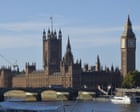
Palace of Westminster faces Notre Dame-style fire danger. Maintenance costs climbing to £2m weekly. Parliamentary committee warns urgent refurbishment needed to...
Parliament Faces Critical Fire Risk Without Urgent Action
The Palace of Westminster confronts an escalating Parliament fire risk that demands immediate attention from lawmakers and government officials. A parliamentary committee has issued a stark warning that the iconic building could suffer a Notre Dame-style fire or comparable structural disaster if lawmakers fail to secure adequate funding for essential refurbishments and safety upgrades.
The Palace of Westminster, recognized as a Grade I-listed structure and designated as a UNESCO World Heritage Site, represents one of Britain's most cherished architectural treasures. However, the ongoing debate regarding restoration methodologies and mounting financial requirements has created dangerous delays in implementing critical safety measures.
Spiralling Costs Threaten Parliament Fire Risk Prevention
Parliamentary authorities have identified that maintenance expenditures could rapidly escalate to approximately £2 million per week as deterioration accelerates. These substantial costs encompass comprehensive fire prevention strategies, including round-the-clock surveillance operations designed to identify and mitigate potential fire hazards before they become emergencies.
The Parliament fire risk assessment reveals that current structural vulnerabilities demand immediate intervention. The complex nature of maintaining a historic building of this magnitude, combined with aging infrastructure systems, creates multiple points of potential failure that demand professional oversight and preventative maintenance protocols.
Delayed Restoration Decisions Compound Parliament Fire Risk
Disagreements between parliamentary stakeholders regarding restoration approaches have repeatedly postponed critical decisions about full-scale renovation initiatives. These postponements directly contribute to the escalating Parliament fire risk, as essential safety systems continue to deteriorate without proper upgrades or repairs.
The Palace of Westminster renovation debate encompasses multiple considerations beyond fire safety, including structural integrity, electrical systems modernization, and preservation of historic elements. However, the parliamentary committee emphasizes that safety concerns must take precedence over procedural delays.
International Lessons on Heritage Building Protection
The Notre-Dame Cathedral fire in Paris during 2019 demonstrated the catastrophic consequences when historic buildings lack adequate fire prevention infrastructure and emergency response capabilities. That devastating incident claimed the structure's roof and spire, destroyed irreplaceable interior elements, and required years of subsequent restoration work.
Parliamentary officials recognize that the Palace of Westminster requires comparable protective measures to prevent similar disasters. The building's complex internal architecture, historic furnishings, and densely packed electrical and mechanical systems create unique fire hazard scenarios that demand specialized prevention strategies.
24-Hour Patrols and Monitoring Systems
Current Parliament fire risk mitigation efforts include continuous patrols throughout the facility to monitor for potential dangers. Security personnel trained in fire prevention protocols patrol designated areas to identify electrical faults, chemical storage issues, and other hazardous conditions that could trigger fires.
These intensive monitoring operations consume substantial resources, representing a temporary solution rather than a comprehensive answer to underlying structural vulnerabilities. The £2 million weekly cost estimate reflects the extensive labor and equipment requirements necessary to maintain current safety standards.
UNESCO World Heritage Site Responsibilities
As a designated UNESCO World Heritage Site, the Palace of Westminster carries international obligations regarding preservation and protection. UNESCO World Heritage designation emphasizes the building's exceptional cultural, historical, and architectural significance to humanity.
However, UNESCO World Heritage status also demands that protecting the site from damage takes priority over other considerations. The parliamentary committee argues that fulfilling these international commitments requires securing adequate funding for comprehensive restoration and modernization projects.
Political and Financial Obstacles
Parliamentary disagreement regarding restoration methodologies reflects broader questions about heritage preservation approaches. Some stakeholders advocate for minimal interventions preserving maximum historic authenticity, while others support more comprehensive modernization incorporating current safety standards and accessibility requirements.
Budget constraints and competing political priorities have also influenced restoration timeline decisions. Government funding allocations for parliamentary maintenance must compete with demands for healthcare, education, infrastructure, and social services across the broader public sector.
Urgent Need for Parliamentary Action
The parliamentary committee's warnings underscore the critical timeline facing lawmakers regarding Parliament fire risk management. Continuing to postpone restoration decisions increases both immediate safety dangers and long-term costs, as deferred maintenance typically accelerates structural deterioration.
Decision-makers must balance preservation concerns with contemporary safety requirements, international heritage obligations with budget constraints, and political disagreements with institutional responsibility. The Palace of Westminster serves not only as a parliamentary workplace but as a global symbol of democratic governance and British heritage, demanding protection commensurate with its significance.