MPs Warn Against Forcing Assisted Dying Bill Through Parliament
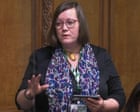
Labour MPs urge both sides not to force assisted dying bill through Commons using parliamentary procedures if Lords continue blocking it.
Cross-Party Warning Over Assisted Dying Bill Strategy
Members of Parliament from opposing sides of the assisted dying bill debate have jointly cautioned their colleagues against pursuing the "extraordinary risk" of employing an obscure parliamentary procedure to bypass prolonged scrutiny in the House of Lords. This unprecedented call for restraint comes from legislators who hold fundamentally different views on end-of-life legislation, signaling deep concerns about the constitutional implications of accelerating the assisted dying bill through Parliament.
Labour MPs Issue Joint Appeal
Two prominent Labour Members have penned a significant warning communication to their parliamentary colleagues, with the missive arriving during critical hours before Friday's scheduled vote. Gareth Snell, a Labour representative who supported the assisted dying bill, and Meg Hillier, a Labour colleague who voted in opposition, have jointly emphasized the potential dangers of circumventing proper legislative scrutiny.
The Significance of Cross-Party Consensus
The coordinated intervention from these two MPs—despite their opposing positions on the substantive question of whether to legalize assisted dying—underscores a shared concern about parliamentary procedure and constitutional propriety. Their unified message carries particular weight precisely because it transcends the fundamental disagreement over the assisted dying bill itself, focusing instead on how Parliament should conduct itself regardless of the outcome.
Constitutional Concerns and Parliamentary Procedure
The warnings center on the potential invocation of parliamentary procedures that would allow the Commons to override or circumvent extended Lords consideration of the assisted dying bill. Such mechanisms represent tools rarely deployed and carry significant constitutional ramifications. The MPs argue that deploying such extraordinary measures would establish a concerning precedent for future legislation, particularly on issues of comparable gravity and public importance.
The Role of the House of Lords
According to the correspondence, the House of Lords maintains an essential constitutional function in scrutinizing legislation on matters of profound public consequence. The assisted dying bill, addressing fundamental questions about individual autonomy, medical ethics, and the state's role in end-of-life decisions, exemplifies the category of issues requiring thorough upper chamber examination. Bypassing or truncating this scrutiny process would, in the MPs' assessment, undermine the constitutional balance that protects considered deliberation on transformative legislation.
Friday's Parliamentary Vote and Its Stakes
The forthcoming Commons vote on Friday represents a pivotal moment in the parliamentary journey of the assisted dying bill. The intervention from Snell and Hillier arrives at a juncture when momentum and procedural strategy may prove determinative. Their warning aims to influence how fellow MPs approach this critical decision, emphasizing that procedural shortcuts carry risks extending far beyond the immediate legislative question.
Potential Consequences of Forced Implementation
The MPs contend that forcing the assisted dying bill through Parliament via extraordinary procedure could trigger several negative consequences. Beyond the immediate constitutional concerns, such action might compromise public confidence in Parliament's deliberative capacity and generate perceptions of partisan advantage rather than principled governance. Furthermore, rushing through controversial legislation on matters touching life-and-death decisions risks inadequate public preparation for implementation and potential legal challenges afterward.
The Broader Legislative Context
This debate occurs within the context of ongoing tensions between the Commons and Lords regarding their respective roles in the legislative process. The assisted dying bill has proven particularly contentious, reflecting genuine and substantial differences of opinion across the political spectrum and among the broader public. The questions raised by Snell and Hillier extend beyond this single piece of legislation to address how Parliament should handle future bills that generate comparable levels of public concern and parliamentary disagreement.
Safeguarding Parliamentary Tradition
The warning from these cross-party voices emphasizes preserving parliamentary tradition and constitutional norms. Rather than advocating for a particular outcome on the assisted dying bill itself, they argue for maintaining the institutional processes that legitimate legislative outcomes regardless of their substantive content. This distinction between procedural propriety and substantive position reflects sophisticated understanding of how parliamentary democracy depends on procedural legitimacy.
Looking Ahead to Parliamentary Deliberation
As Parliament prepares for Friday's vote on the assisted dying bill, the intervention from Gareth Snell and Meg Hillier will likely influence discussions among their colleagues. Whether their warnings prove persuasive regarding procedural strategy remains to be seen, but their intervention demonstrates that even MPs with fundamental disagreements about the assisted dying bill can find common ground on protecting parliamentary procedure and constitutional balance. The coming weeks will reveal whether Parliament chooses to respect these cautionary voices or proceeds with the extraordinary risk these cross-party MPs have warned against.