Military Mobilized as Temporary Ban on Disposable Grills Takes Effect
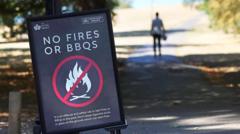
Disposable BBQ grills face temporary restrictions as military units deploy to combat escalating wildfires during drought and heatwave conditions.
Government Implements Temporary Restrictions on Single-Use Grilling Equipment
In response to escalating wildfire threats and extreme weather conditions, authorities have announced a temporary ban on disposable BBQ grills, citing urgent public safety concerns. The restrictions on disposable BBQ grills represent a significant intervention aimed at reducing fire hazards during a critical period marked by severe drought and dangerous heatwave conditions affecting multiple regions.
Officials from the government have emphasized that single-use grilling equipment poses what they describe as a "significant risk to the public" when environmental conditions are particularly vulnerable to rapid fire spread. The temporary measure reflects growing concerns about preventable ignition sources in areas already stressed by prolonged dry spells and elevated temperatures.
Military Personnel Deployed to Support Emergency Response Efforts
In coordination with the disposable BBQ grills ban, military units have been mobilized to provide on-the-ground support for wildfire management operations. This deployment represents an escalation in emergency response protocols, bringing additional resources and manpower to combat active fires and prevent new ignitions across affected areas.
The military engagement underscores the severity of the current wildfire situation and the government's commitment to leveraging all available resources. Armed forces personnel will assist with evacuation efforts, provide firefighting support, and help enforce emergency restrictions designed to minimize fire risks during this vulnerable period.
Understanding the Risk of Single-Use Grilling Equipment
Disposable BBQ grills, commonly used for outdoor entertaining, function through self-contained charcoal compartments designed for one-time use. Despite their convenient design, these products present considerable dangers when environmental conditions create ideal circumstances for rapid fire propagation. The disposal process itself requires careful handling, as improperly discarded units may retain heat and ignition potential long after use.
During periods of extreme heat and drought, even small spark sources become problematic. Disposable BBQ grills can malfunction, tip over, or be abandoned with inadequate safety precautions, creating uncontrolled fire sources that can spread rapidly through dry vegetation. The combination of these factors has prompted regulatory action.
Severity of Current Environmental Conditions
The regional climate situation presents extraordinary challenges for fire management. A prolonged drought has left landscapes exceptionally dry, while heatwave conditions have elevated ambient temperatures to dangerous levels. These environmental factors dramatically increase the velocity and intensity of wildfire spread once ignition occurs.
Meteorological data indicates that relative humidity levels have dropped to critical thresholds, moisture content in vegetation has diminished significantly, and wind patterns continue to create conditions favorable for rapid fire expansion. Public health authorities warn that such environmental combinations represent among the most dangerous scenarios for uncontrolled fire behavior.
Scope and Duration of the Temporary Ban
The restrictions on disposable BBQ grills apply across designated zones classified as high-risk fire areas. Government announcements indicate the temporary nature of these measures, though authorities have not specified an exact timeline for lifting restrictions. The duration will depend on improvements in drought conditions, reduced heatwave intensity, and demonstrated reduction in active fire threats.
Affected residents and businesses have been informed of alternative outdoor cooking methods that pose lower fire risks. These include fixed grills with permanent installations, electric cooking equipment operated in controlled settings, and indoor food preparation during the restriction period.
Enforcement and Public Compliance Efforts
Local authorities will implement enforcement mechanisms to ensure compliance with the disposable BBQ grills ban. Education campaigns have been launched to inform the public about the rationale for restrictions and the broader wildfire emergency context. Officials emphasize that compliance represents a shared responsibility in protecting communities from fire-related devastation.
Violators of the temporary ban may face penalties, though priority has been placed on public education rather than punitive approaches. Community cooperation is viewed as essential for the success of this emergency measure.
Military Operations and Firefighting Strategy
The deployed military personnel will work in coordination with civilian firefighting agencies, emergency management teams, and local response units. These combined forces employ both defensive strategies—protecting populated areas and critical infrastructure—and offensive tactics aimed at containing and extinguishing active wildfires before they achieve catastrophic scale.
Military logistics capabilities, including transportation, supply chain management, and personnel coordination, provide force multiplication effects that enhance overall emergency response effectiveness. The integration of armed forces into civilian disaster response operations reflects the exceptional scope and intensity of the current wildfire emergency.
Looking Forward: Recovery and Prevention
As communities brace for continued fire threats, the temporary ban on disposable BBQ grills remains one component of a comprehensive emergency response strategy. When environmental conditions normalize and fire risks diminish, restrictions will be progressively relaxed. However, the experience has prompted policymakers to consider longer-term wildfire prevention frameworks that address both immediate ignition sources and systemic fire management challenges.
The government continues to monitor weather patterns, drought development, and heatwave projections to determine when emergency measures can be safely lifted.


