Massive Wildfire Evacuation: 330,000 Residents Flee France and Spain
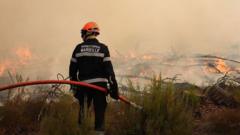
Over 330,000 people evacuated from devastating wildfires spreading across France and Spain. Latest updates on firefighter operations and evacuation efforts.
Unprecedented Wildfire Evacuation Crisis in France and Spain
A catastrophic wildfire evacuation effort has unfolded across France and Spain, with more than 330,000 residents forced to leave their homes as rapidly spreading flames consume vast territories. This wildfire evacuation represents one of the most significant mass displacement events due to natural disasters in recent European history, prompting emergency services across both nations to mobilize comprehensive response strategies.
Scale of the Emergency Response
The magnitude of the current wildfire evacuation operation has stretched resources across multiple regions. Emergency authorities in both France and Spain have coordinated evacuation routes, shelters, and support services to accommodate the hundreds of thousands of displaced residents. Firefighting teams have been deployed across affected zones, working tirelessly to contain the advancing flames and protect communities still in the path of the fires.
Evacuation Procedures and Community Safety
Local authorities implemented structured evacuation procedures to ensure the safe departure of residents from threatened areas. Emergency alerts were distributed through multiple channels, including text messages, sirens, and door-to-door notifications. Designated assembly points and temporary shelters were established to provide refuge for evacuees, while transportation assistance was made available for vulnerable populations including elderly residents and those with mobility challenges.
Support Systems in Place
Government agencies activated emergency protocols to provide food, water, medical services, and temporary accommodation for evacuees. Red Cross organizations and humanitarian groups deployed personnel to assist with processing evacuees and distributing essential supplies. Communication centers were established to help separated families locate loved ones and coordinate reunification efforts.
Firefighting Operations Across Affected Regions
Firefighting teams mobilized comprehensive operations to combat the advancing flames. Aerial units, including water-dropping helicopters and fire-suppression aircraft, were deployed to attack the fires from above, while ground crews established defensive perimeters around residential areas. International assistance was requested, with neighboring countries sending additional firefighting resources to support the overwhelmed local services.
Challenges Faced by Emergency Services
Extreme weather conditions, including high temperatures, low humidity, and strong winds, have significantly complicated firefighting efforts. These environmental factors accelerated the spread of flames across vast territories, making containment increasingly difficult. Limited visibility due to heavy smoke hampered aerial operations and ground navigation, while terrain in certain regions restricted vehicle access for firefighting equipment.
Regional Impact and Displacement Challenges
The 330,000 evacuees represent approximately 15% of the affected regions' populations, creating unprecedented challenges for local infrastructure and services. Schools, public facilities, and commercial establishments were converted into temporary shelters. Healthcare facilities prepared for treating smoke-related injuries and managing chronic conditions for displaced populations.
Economic Consequences
Businesses in affected areas faced temporary or permanent closures, disrupting local economies. Agricultural lands, vineyards, and forests of significant economic value were threatened or destroyed. Insurance claims and disaster recovery funding requirements surged, placing additional strain on regional governments.
International Assistance and Coordinated Response
European Union protocols activated emergency mechanisms to facilitate international support. France and Spain coordinated through national emergency management agencies, sharing real-time information about fire progression and evacuation status. European firefighting teams crossed borders to reinforce local efforts, bringing specialized equipment and experienced personnel to combat the growing conflagration.
Environmental and Long-term Recovery Outlook
Air quality deteriorated significantly throughout affected regions and neighboring areas due to intensive smoke emissions. The environmental impact extended beyond immediate fire zones, with smoke traveling considerable distances and affecting populations hundreds of kilometers away. Recovery efforts would require extensive reforestation initiatives, infrastructure reconstruction, and restoration of damaged ecosystems over months and years.
Looking Forward: Lessons and Prevention
This unprecedented wildfire evacuation crisis underscores the escalating threat posed by increasingly severe weather patterns and environmental conditions. Authorities are evaluating evacuation protocols, firefighting strategies, and early warning systems to improve future responses. Investment in firebreaks, controlled burning programs, and forest management initiatives is being prioritized to reduce vulnerability to similar disasters.
As containment efforts continue and evacuation operations proceed, authorities remain focused on ensuring the safety of all displaced residents while preventing further escalation of the emergency.


