Indonesia Earthquake: Rescue Teams Hunt for Survivors
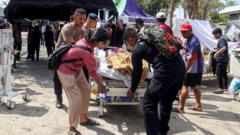
Rescue teams search for survivors following a powerful Indonesia earthquake that destroyed hundreds of buildings and killed 47 people. Authorities conduct rapid...
Indonesia Earthquake: Major Rescue Operation Underway
A significant Indonesia earthquake has triggered an extensive search and rescue operation as emergency teams mobilize across affected regions to locate survivors among the debris. The devastating tremor has claimed 47 lives and caused widespread structural damage, with hundreds of buildings reduced to rubble or left severely compromised.
Damage Assessment and Response Efforts
Authorities have initiated a comprehensive rapid assessment to evaluate the full extent of destruction caused by the Indonesia earthquake. Initial surveys reveal that the catastrophic event has destroyed a substantial number of residential and commercial structures, leaving communities in desperate need of immediate humanitarian assistance. Official teams are working around the clock to catalog damages and identify priority zones for rescue operations.
Search and Rescue Operations Intensify
Emergency response personnel from multiple agencies have deployed specialized equipment and trained rescue dogs to navigate through collapsed buildings and debris fields. The rescue operations continue to expand as reports of missing persons grow. Rescue teams are focusing on areas where residential concentrations were highest, as these locations present the greatest likelihood of discovering additional survivors.
Impact on Local Communities
The Indonesia earthquake has displaced thousands of residents from their homes, many of whom are now sheltering in temporary facilities established by disaster relief organizations. Medical personnel report a steady stream of injured individuals requiring emergency treatment, straining local hospital facilities. The psychological toll on communities witnessing the destruction of their neighborhoods remains significant.
Building Damage Assessment and Infrastructure Challenges
Structural engineers have begun detailed examinations of damaged buildings to determine whether additional structures are at risk of collapse. The widespread nature of the destruction has created substantial logistical challenges for rescue teams attempting to access affected areas. Roads and bridges have sustained damage, complicating the delivery of supplies and emergency personnel to isolated communities.
International Support and Coordination
Neighboring countries and international disaster relief organizations have offered assistance to support Indonesia's response efforts. Coordination between local authorities and international agencies aims to optimize resource allocation and expedite rescue operations. Medical personnel from abroad are arriving to augment local healthcare capacity and assist with trauma treatment.
Ongoing Investigation into the Disaster
Seismologists continue monitoring seismic activity in the region, as aftershocks remain a concern for both rescue personnel and residents. The Indonesia earthquake has prompted renewed discussions about building codes and disaster preparedness in seismically active zones. Experts emphasize the importance of earthquake-resistant construction standards to mitigate casualties in future events.
Community Recovery Prospects
Long-term recovery from the Indonesia earthquake will require sustained commitment from government agencies, private sector partners, and humanitarian organizations. Reconstruction efforts are anticipated to span months or years, depending on available resources and funding. Community leaders are already beginning preliminary discussions about rebuilding strategies that prioritize both structural resilience and social cohesion.


