Indian Medical Exam Security Tightened Following Alleged Paper Leak Incident
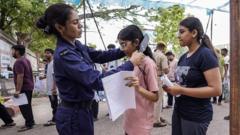
Enhanced security measures including biometric checks and air force deployment implemented for Indian medical exam retake following alleged paper leak. Latest u...
Enhanced Security Framework Implemented for Medical Exam Retake
In response to alleged irregularities during a previous examination cycle, Indian authorities have established unprecedented security protocols for the medical exam paper leak recovery process. The implementation of a medical exam paper leak investigation has prompted officials to deploy comprehensive protective measures designed to safeguard the integrity of the rescheduled testing procedure affecting millions of candidates nationwide.
The decision to enhance security comes after examination bodies identified potential compromises in document handling procedures. This development has necessitated a complete overhaul of preventative measures, with multiple agencies coordinating efforts to prevent further breaches during the upcoming examination session.
Biometric Authentication and Physical Security Measures
Educational officials have mandated biometric verification systems at all examination centers to create an auditable record of personnel movement. Every individual entering restricted areas, including exam paper storage facilities and preparation zones, must undergo biometric scanning. This technology-driven approach establishes a digital trail documenting all access points throughout the examination process.
Beyond biometric screening, traditional security protocols have been strengthened considerably. Comprehensive frisking procedures now apply to all staff members, invigilators, and authorized personnel before they can enter secure zones. These physical security checks aim to prevent unauthorized materials or communication devices from entering examination halls.
Air Force Deployment for Exam Paper Security
In a significant escalation of security measures, the Indian Air Force has been deployed to oversee the transport and storage of examination papers. The decision to involve military personnel underscores the seriousness with which authorities are treating this breach. Air Force units are responsible for ensuring that exam materials remain under constant armed supervision from printing facilities through their delivery to individual examination centers.
This unprecedented military involvement represents a dramatic response to the alleged paper leak incident. The Air Force's participation adds multiple layers of security oversight, with personnel trained in classified document handling procedures now extending their expertise to educational materials. Their presence serves as both a practical security measure and a visible deterrent against potential future breaches.
National Impact on Student Population
The implementation of these heightened security protocols affects millions of examination candidates preparing for the rescheduled medical entrance assessments. Students across the nation must now navigate more stringent entry requirements and security procedures when arriving at test centers. While these measures aim to protect examination integrity, they also create additional burdens on candidates already dealing with examination stress and uncertainty stemming from the initial medical exam paper leak incident.
Test centers have been instructed to increase arrival time recommendations for all candidates, allowing sufficient duration for biometric processing and security screening. This logistical adjustment represents a significant change from standard examination day procedures, requiring students to plan additional travel time and account for potentially long queues at security checkpoints.
Multi-Agency Coordination and Oversight
Coordinating this comprehensive security response requires unprecedented collaboration among multiple government agencies, examination boards, and educational institutions. Regular oversight committees have been established to monitor implementation compliance across thousands of examination centers distributed throughout the country. These committees conduct surprise inspections and audits to verify that all security protocols are being followed consistently.
Educational authorities have also implemented digital monitoring systems to track the chain of custody for all examination materials. Real-time GPS tracking, digital sealing mechanisms, and encrypted documentation systems provide multiple verification points throughout the examination material lifecycle. This technological infrastructure complements the physical security measures and human oversight components of the comprehensive security framework.
Restoration of Confidence in Examination System
Officials have emphasized that these security enhancements aim to restore public confidence in the examination system following the medical exam paper leak controversy. The visible commitment to preventing future breaches demonstrates institutional accountability and responsiveness to concerns raised by students, parents, and educational institutions across India.
The comprehensive nature of the response signals to all stakeholders that examination integrity remains a top priority. By combining military-grade security measures with modern biometric technology and intensive human oversight, authorities have created a multi-layered defense system designed to make future breaches virtually impossible.
Future Implications for Educational Assessment
This incident and the subsequent security response are likely to establish precedents for how India's most critical examinations are administered going forward. The integration of military resources, biometric systems, and advanced tracking technology may become standard practice for high-stakes assessments nationwide. Educational policymakers are reviewing whether similar enhanced security measures should be implemented for other major entrance examinations and competitive assessments.
The lessons learned from addressing this medical exam paper leak crisis will inform future examination security protocols, creating a more robust framework for protecting educational assessment integrity across India.


