Free Speech Protection Could Sway Labour Votes
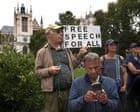
Poll reveals voters prioritize free speech in elections. 60% say political party stance on free speech affects voting decisions. Labour's approach concerns citi...
Free Speech Protection Emerges as Key Electoral Issue
Free speech protection has become a significant concern for British voters ahead of the next general election, according to new polling data. The human rights organisation Liberty commissioned the survey through More in Common to assess public sentiment on this critical issue, revealing that the government's current stance on free speech is generating considerable concern among the electorate.
The research demonstrates that free speech protection remains a top priority for voters when evaluating political parties and their platforms. Many respondents expressed concerns that recent government policies have had a negative impact on fundamental freedoms and civil liberties in Britain.
Voter Priorities on Free Speech Rights
The polling results indicate that three in five people, or approximately 60 percent of respondents, stated that a political party's position on free speech would directly influence their voting decision at the next general election. This substantial percentage underscores the importance voters place on protecting fundamental freedoms and maintaining open public discourse.
The survey findings suggest that free speech protection is not a peripheral issue but rather a central concern for the British electorate. Voters appear increasingly aware of how government policies and political positions on civil liberties could affect their daily lives and the broader democratic landscape.
Labour's Free Speech Challenge
Liberty's analysis of the polling data suggests that Labour's current approach to free speech protection could have significant electoral consequences. The organisation claims that the party's failure to adequately address voter concerns regarding free speech could result in lost votes at the next general election.
The research highlights a disconnect between government policies and voter expectations regarding the protection of fundamental freedoms. Many respondents feel that recent legislation and government positions have not sufficiently prioritised free speech protection, raising questions about the party's commitment to defending these essential civil liberties.
Public Perception of Government Policy
The polling results reveal widespread concern about how current government policies affect free speech protection in Britain. Voters expressed reservations about various legislative measures and governmental actions that they perceive as limiting open debate and public discourse.
According to the survey, a significant portion of the electorate believes that the government's approach has had a detrimental effect on free speech rights. This negative perception could influence electoral outcomes if political parties fail to address these concerns before the next general election.
Implications for Political Parties
The findings from this polling initiative carry important implications for all political parties as they prepare for the upcoming general election. Free speech protection has emerged as a measurable electoral issue that could influence voting behaviour across the country.
Political parties seeking to appeal to voters will need to articulate clear positions on free speech protection and demonstrate their commitment to defending civil liberties. The survey suggests that voters are actively considering these factors when evaluating political options.
Liberty's research serves as a wake-up call for politicians and policymakers regarding the importance voters attach to free speech protection. As the election approaches, parties will face increasing pressure to address these concerns and propose substantive solutions that resonate with the electorate's desire to maintain and strengthen fundamental freedoms in British democracy.