Farage Avoids Commons Over Seating Row Fears at Budget
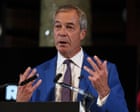
Reform UK leader Nigel Farage skips budget session citing physical altercation concerns. Criticizes £10bn Ukraine pledge and reaffirms crypto tax cuts policy.
Farage Skips Budget Session Over Commons Seating Concerns
Nigel Farage, leader of Reform UK, chose not to attend the chancellor's inaugural budget presentation in Parliament, citing worries about a potential physical confrontation with another member of the House of Commons over parliamentary seating assignments. The controversial decision to skip the budget session marked a significant moment during the government's economic announcement, with Farage instead holding a separate press briefing to outline his party's position on key fiscal matters.
The absence of the prominent political figure was particularly notable given the high-profile nature of the budget announcement. Rather than participating in the traditional Commons debate, Farage conducted his own media conference where he articulated Reform UK's perspectives on the chancellor's proposals, particularly focusing on international aid commitments and taxation policies affecting emerging financial sectors.
Reform Leader's Criticism of Ukraine Funding
During his press conference following the budget presentation, Farage expressed his shock at the government's decision to allocate £10 billion toward supporting Ukraine. The Reform UK leader questioned the prioritization of international aid during a period when the party argues domestic economic priorities should take precedence. His statement reflected ongoing tensions within British politics regarding the extent and nature of financial support provided to Eastern European nations.
Farage's criticism of the Ukraine funding commitment underscored Reform UK's broader fiscal philosophy, which emphasizes redirecting government expenditure toward domestic initiatives. The party leader suggested that such substantial international commitments warranted greater public scrutiny and debate, particularly given economic pressures facing British households and businesses.
Crypto Tax Policies at the Forefront
Beyond his remarks on international spending, Farage reiterated Reform UK's commitment to reducing taxation on cryptocurrency investors and digital asset transactions. The party has consistently advocated for more favorable tax treatment in the cryptocurrency sector, positioning this as a means to encourage innovation and investment in emerging financial technologies within the United Kingdom.
The emphasis on crypto tax cuts represents a distinctive policy position that distinguishes Reform UK from traditional major parties. Farage's continued focus on this agenda during the budget response demonstrated the party's determination to champion lighter regulatory and tax frameworks for digital finance participants, despite broader government fiscal consolidation measures.
The Seating Dispute and Parliamentary Tensions
The underlying cause of Farage's budget absence—concerns about a seating arrangement conflict—highlighted existing tensions within Parliament. Parliamentary seating has long been a source of procedural and symbolic disputes, with positions in the Commons chamber carrying significance in terms of visibility and influence during debates. The specific nature of the anticipated altercation between Farage and the unnamed MP remained unclear, but the severity of his concerns warranted his decision to forego attendance at a major parliamentary event.
Such incidents, while occasionally appearing trivial to outside observers, reflect the intensity of interpersonal dynamics within Westminster. Seating disputes have historically escalated tensions between members, and Farage's precautionary approach indicated genuine concern about maintaining decorum and avoiding an incident that might overshadow the substantive budget debate.
Implications for Parliamentary Participation
Farage's absence from the budget session raised questions about the effectiveness of opposition participation in major legislative moments. By choosing an alternative channel to communicate his party's views, he maintained his platform while avoiding the contested parliamentary environment. However, the decision also meant that Reform UK's perspectives were not directly articulated during the formal budget debate, potentially limiting the party's influence on the parliamentary record and legislative discussion.
The incident underscored broader questions about parliamentary conduct and the mechanisms available to members when interpersonal conflicts threaten disruption. It also highlighted the growing prominence of press conferences and direct media engagement as alternatives to traditional Commons participation for political figures seeking to communicate their positions to the public.