England's Drought Crisis: Over Half the Nation Faces Water Shortage
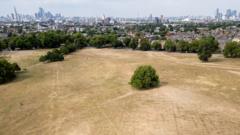
More than 50% of England faces drought declaration as extreme heat and dry conditions devastate rivers, crops and wildlife ecosystems across the country.
England Drought Crisis Declared Across Multiple Regions
The England drought crisis has reached unprecedented levels, with environmental authorities officially declaring that more than half of the nation now faces severe drought conditions. This widespread England drought crisis represents one of the most significant water scarcity challenges in recent memory, affecting millions of residents and critical infrastructure across numerous counties.
Factors Behind the Widespread Water Shortage
The declaration comes after an exceptionally hot and dry period that has persisted for several months, creating perfect conditions for water depletion. Unusually high temperatures combined with minimal rainfall have created a perfect storm of environmental stress. The exceptional heat wave experienced across the country has accelerated evaporation rates, leaving rivers and reservoirs at critically low levels.
Impact on Agricultural Production
Farmers across England face mounting challenges as the drought conditions devastate crops and agricultural outputs. The combination of elevated temperatures and prolonged dry spells has stressed vital growing seasons, reducing yields and threatening food security. Water availability for irrigation has become severely limited, forcing farmers to make difficult decisions about resource allocation and crop prioritization.
Rivers and Water Systems Under Severe Stress
England's river systems have suffered dramatic impacts from the ongoing drought conditions. Water levels in major rivers have dropped to alarming thresholds, affecting aquatic ecosystems and the species that depend on them. Stream flows have diminished considerably, creating challenges for hydroelectric generation and water treatment facilities that rely on adequate river volumes.
Wildlife and Ecological Consequences
The environmental toll extends far beyond human infrastructure. Wildlife populations face unprecedented stress as habitats dry up and water sources disappear. Wetlands that typically support diverse bird populations have contracted significantly. Fish populations in affected waterways face mortality risks as oxygen levels decline in shallower, warmer water. Terrestrial species dependent on specific moisture conditions for survival are experiencing habitat loss at alarming rates.
Government and Authority Response
The Environment Agency's official drought declaration signals the severity of the situation and triggers contingency protocols designed to manage water distribution during shortages. Officials have begun coordinating response measures across affected regions. Communication with the public has emphasized the importance of water conservation and responsible usage patterns during this critical period.
Public and Infrastructure Implications
The drought declaration has direct consequences for households and businesses throughout affected areas. Water suppliers have implemented restrictions on non-essential usage, including garden watering and car washing. Industrial operations dependent on consistent water access face operational constraints. Municipal authorities have increased public awareness campaigns promoting conservation measures.
Looking Forward: Recovery and Prevention
Recovery from such extensive drought conditions requires sustained rainfall and cooler temperatures to restore depleted reserves. Long-term planning now focuses on building resilience through infrastructure improvements and water management strategies. Environmental experts continue monitoring conditions closely as authorities prepare contingency measures should conditions deteriorate further.


