Colombia Earthquake: Rescue Teams Battle to Save Lives Amid 180 Deaths
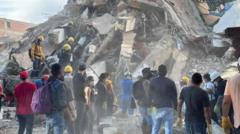
Emergency responders conduct intensive search operations following Colombia earthquake that killed 180 people. Latest updates on rescue efforts and aftershock w...
Colombia Earthquake: Rescue Operations Intensify Following Devastating Tremor
A devastating Colombia earthquake has claimed the lives of approximately 180 people, prompting widespread emergency response initiatives across affected regions. As rescue teams continue their relentless efforts to locate survivors buried beneath collapsed structures, authorities have issued multiple warnings regarding continued seismic activity in the area.
Ongoing Aftershocks Complicate Rescue Efforts
Tuesday witnessed a series of significant aftershocks as the Colombia earthquake aftermath unfolded across the disaster zone. These secondary tremors have created additional hazards for rescue personnel working to excavate survivors from the rubble of damaged buildings and infrastructure. The unpredictable nature of the aftershock sequence has forced teams to frequently pause operations and reassess structural stability before resuming their search activities.
Seismologists monitoring the region have documented multiple aftershocks ranging in magnitude throughout the day, with each tremor posing potential risks to both rescue workers and survivors still trapped beneath debris. Engineers are conducting rapid structural assessments to determine which buildings can be safely approached by emergency response teams.
Emergency Response and Rescue Coordination
The Colombia earthquake has triggered a massive coordinated response involving national and international rescue organizations. Teams equipped with specialized detection equipment, including acoustic sensors and search dogs, have been deployed to priority zones where building collapses were most severe. These specialized units are working systematically through neighborhoods and commercial districts to identify pockets where survivors may have taken shelter.
Medical personnel have established temporary treatment centers near the most affected areas, preparing for the influx of injured survivors as rescue operations progress. Hospitals throughout the region have activated disaster protocols, clearing beds and mobilizing surgical teams to handle the anticipated surge of earthquake-related injuries.
Search Operations in Rubble and Structural Debris
The primary focus of rescue teams following the Colombia earthquake remains on systematically excavating collapsed buildings where survivors are believed to be trapped. Rescue workers are employing careful hand-excavation techniques alongside heavy machinery, balancing the need for speed with the requirement to avoid causing additional structural failures that could endanger both victims and rescuers.
Communication between trapped individuals and rescue teams has proven critical in directing search efforts. Where survivors have managed to establish contact through phone calls, radio signals, or by tapping on debris, rescue coordinators have prioritized those locations for immediate excavation. These communication breakthroughs have significantly improved rescue success rates in several documented cases.
Challenges Posed by Continuous Seismic Activity
The persistent aftershock sequence following the Colombia earthquake presents unique operational challenges for rescue personnel. Each new tremor requires teams to temporarily abandon excavation work and retreat from potentially unstable structures. This pattern of interruption and resumption has slowed the overall pace of rescue operations, though it remains necessary for worker safety.
Structural engineers continue analyzing building stability in real-time, using specialized equipment to detect micro-movements that might indicate imminent collapse. This preventive approach, while time-consuming, has prevented what could have been catastrophic secondary incidents during rescue operations.
Support and Resources Mobilization
National and regional authorities have mobilized substantial resources to support the Colombia earthquake response. Additional rescue teams are being transported from unaffected areas to provide relief to personnel who have been working continuously since the initial disaster. Supply lines have been established to ensure rescuers have adequate equipment, water, and food supplies to maintain operations around the clock.
International assistance requests have been submitted, with neighboring countries and international relief organizations offering specialized rescue teams and equipment. Coordination efforts are underway to integrate these external resources into the existing command structure while maintaining operational efficiency.
Current Death Toll and Casualties
The confirmed death toll from the Colombia earthquake currently stands at approximately 180 individuals, with the number potentially increasing as rescue operations uncover additional victims in previously unreachable areas. Beyond fatalities, thousands have sustained injuries ranging from minor to critical, placing enormous strain on the healthcare system throughout the affected region.
Missing person reports continue to be processed as families search for information about loved ones who were in affected areas during the Colombia earthquake. Authorities have established missing person registries and family reunification centers to help locate survivors and provide emotional support to those seeking information.


