British Residents Stockpile Essentials Following Government Emergency Preparedness Campaign

UK citizens are building emergency supplies of tinned food, water, and power banks as the government urges three-day stockpiles for crisis situations and securi...
Understanding the Government's Emergency Stockpiling Recommendations
A significant government stockpiling campaign has prompted UK residents to reassess their household preparedness. The initiative, launched this week, encourages British families to maintain three days' worth of essential supplies to manage potential emergencies ranging from natural disasters to infrastructure failures. This government stockpiling campaign represents an official acknowledgment of various risks facing the nation, including climate-related incidents and geopolitical tensions.
The campaign comes as authorities highlight concerns about Russian state-sponsored activities that could disrupt critical services. Simultaneously, growing awareness of climate-related hazards has driven many households to take proactive measures in their emergency preparations.
What Are People Actually Stockpiling?
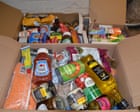
Across the United Kingdom, residents are gathering diverse items to build comprehensive emergency supplies. The most common items include tinned vegetables, canned meats, and preserved foods requiring no refrigeration or cooking. Bottled water remains a priority for most households, as access to clean drinking water during emergencies cannot be guaranteed.
Beyond food and water, people are securing medical supplies including prescription medications, first-aid kits, and over-the-counter remedies. Power banks and alternative charging solutions have become increasingly popular, reflecting modern concerns about losing electricity and communication capabilities. Battery-powered radios, torches, and backup lighting solutions round out many families' preparedness kits.
Toilet paper and hygiene products feature prominently in stockpiling discussions, a lasting legacy from pandemic-era purchasing patterns. Cleaning supplies and sanitation items are considered essential components of three-day emergency provisions by many UK households.
The Three-Day Emergency Standard
The government's recommendation of maintaining three days' worth of supplies creates a practical framework for household planning. This timeframe allows emergency services to mobilize and restore essential services in most scenarios. However, many residents are exceeding this baseline, recognizing that certain emergencies may take longer to resolve.
Food experts note that dried pasta, rice, canned beans, and tinned fruits represent cost-effective, shelf-stable options that store easily. Instant noodles, energy bars, and powdered milk provide additional variety without requiring extensive storage space. These items maintain nutritional value over extended periods when stored in cool, dry conditions.
Broader Context: Security Threats and Climate Concerns
The impetus for this government stockpiling campaign extends beyond theoretical scenarios. Recent statements from officials regarding Russian activities have elevated national security concerns. Separately, increasingly severe weather events tied to climate change have demonstrated the vulnerability of infrastructure systems to disruption.
Previous emergencies have illustrated how quickly essential supplies become scarce during crises. Power outages lasting several days, flooding events, and severe storms have all occurred across different UK regions, validating the preparation strategy now being promoted officially.
Early Adopters and Preparedness Communities
Interestingly, many British residents were already engaged in emergency preparedness before the latest campaign launched. Online communities dedicated to self-sufficiency and disaster preparedness have grown substantially in recent years. These groups share storage techniques, recommend specific products, and discuss optimal rotation strategies to prevent spoilage.
Some households are approaching emergency preparation systematically, creating detailed inventories and establishing rotation schedules. This methodical approach ensures that stockpiled items remain fresh and usable, avoiding waste while maintaining genuine readiness. Digital tracking applications help residents monitor expiration dates and consumption rates.
Economic Implications of Widespread Stockpiling
Retail analysts are monitoring whether the government's official recommendations will trigger noticeable shifts in consumer purchasing patterns. Unlike pandemic-era panic buying, this campaign encourages measured, planned accumulation rather than frenzied hoarding. Supermarkets are reportedly prepared for potential increased demand for shelf-stable products.
Many budget-conscious families are using this opportunity to purchase emergency supplies gradually through regular shopping visits, spreading costs across multiple transactions rather than making substantial single purchases. This approach makes preparedness financially accessible for households with limited disposable income.
Storage Challenges and Solutions
Space constraints remain a practical concern for many UK residents attempting to build emergency supplies. Apartment dwellers and those with limited storage face particular challenges in accumulating three days' worth of provisions. Creative storage solutions, including under-bed containers, closet organization systems, and garage shelving, help maximize available space.
Rotating stockpiles prevents waste by using older items while replacing them with fresh supplies. This first-in-first-out methodology, commonly practiced by emergency preparedness advocates, ensures stockpiled items remain viable for actual emergencies rather than expiring unused.
Moving Forward: Making Preparedness Part of Routine
Experts emphasize that emergency preparation should become a regular household practice rather than a one-time project. Incorporating stockpiling into periodic shopping routines, reassessing supplies seasonally, and updating emergency plans with family members all contribute to genuine readiness. The government's campaign effectively normalizes these practices, removing stigma some previously associated with emergency preparation.
As the government stockpiling campaign continues to reach British households, residents at all preparedness levels are evaluating their current provisions and taking steps to improve their resilience against potential emergencies.