Artificial Ice Pyramids Rescue Water Crisis in Himalayan Villages
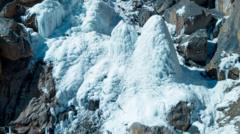
Himalayan mountain communities build innovative ice pyramids to secure essential water supplies for spring crops. Discover this remarkable solution.
Innovative Solution to Mountain Water Scarcity
Artificial ice pyramids have emerged as a transformative strategy for mountain villages across the Himalayas facing critical water shortages during dry seasons. These remarkable structures, engineered to capture and preserve glacial water, represent an ingenious approach to sustainable resource management in remote regions where conventional water infrastructure proves impractical. The artificial ice pyramids enable local communities to maintain reliable water supplies essential for agricultural production and survival in harsh alpine environments.
Understanding the Artificial Ice Pyramid Technology
The concept behind artificial ice pyramids fundamentally reimagines how mountain settlements can harness frozen water resources. During winter months, water flows from natural sources are redirected into specially designed channels that promote rapid freezing. These formations gradually accumulate into towering pyramid-shaped structures composed entirely of ice, sometimes reaching heights of up to 50 meters. The unique pyramid geometry serves a critical purpose: it minimizes surface area exposure to sunlight, thereby reducing melting rates and preserving ice reserves through extended periods of warmer weather.
How Glacier Preservation Works in Practice
The construction process for artificial ice pyramids requires careful engineering and community collaboration. Water sources, typically mountain streams and springs, are channeled through insulated pathways during the winter season. As temperatures drop below freezing at night, this flowing water gradually solidifies, layer by layer, building upward into distinctive pyramid formations. The engineering behind these structures accounts for local climate patterns, water availability, and topographical features unique to each village. Engineers work closely with local residents to identify optimal locations and design specifications tailored to regional conditions.
Critical Importance for Spring Crop Irrigation
When spring arrives and temperatures begin rising, the artificial ice pyramids become invaluable water sources for agricultural communities. As the ice melts gradually throughout spring and early summer months, it provides continuous water flow precisely when mountain farmers most urgently require irrigation for their crops. This timing is crucial because traditional water sources often diminish dramatically during dry seasons, creating severe agricultural stress. The artificial ice pyramids essentially act as natural refrigeration units, storing winter's abundance for later use during seasons of scarcity.
Impact on Agricultural Productivity
Villages implementing artificial ice pyramid systems have documented significant improvements in crop yields and agricultural stability. Farmers can now plan irrigation schedules with greater certainty, knowing reliable water supplies will be available during critical growing periods. Crops including potatoes, barley, and traditional mountain vegetables benefit from consistent moisture availability. This security has enabled communities to expand cultivation areas and experiment with new agricultural techniques previously impossible under conditions of water uncertainty. The economic implications for these mountain communities are substantial, as improved harvests translate directly into enhanced food security and income generation.
Environmental and Community Benefits
Beyond immediate agricultural advantages, the artificial ice pyramids approach offers broader environmental benefits to Himalayan mountain ecosystems. By capturing seasonal water runoff that would otherwise flow away unused, these structures maximize local water resources. The practice reduces pressure on groundwater reserves, allowing aquifers to maintain healthy levels. Additionally, the community-centered nature of this technology fosters local engagement and knowledge sharing. Elder residents contribute traditional understanding of water patterns and seasonal cycles, while younger community members apply modern engineering principles, creating intergenerational collaboration.
Building Resilience Against Climate Change
As climate patterns shift and precipitation becomes increasingly unpredictable, artificial ice pyramids represent a climate adaptation strategy developed by and for mountain communities. These structures provide insurance against prolonged dry spells and variable monsoon patterns. The technology is particularly significant because it requires minimal external resources or technological complexity, making it accessible to villages with limited financial capacity. Local materials, traditional knowledge, and community labor form the foundation of this approach, ensuring long-term sustainability and cultural appropriateness.
Scaling the Solution Across Himalayan Regions
The success of artificial ice pyramid projects in pioneering villages has attracted attention from regional development organizations and environmental agencies. Several governments and non-profit organizations now support expansion of this technology to additional mountain communities. Training programs help engineers and local leaders understand design principles and construction methodologies applicable across diverse Himalayan landscapes. Documentation of successful projects provides blueprints for adaptation in regions facing similar water scarcity challenges.
Challenges and Future Development
Implementing artificial ice pyramids does present certain challenges requiring careful consideration. Construction demands substantial upfront labor investment during winter months when conditions are harsh. Additionally, the technology's effectiveness depends on reliable winter freezing temperatures and consistent water sources. Climate warming trends could potentially reduce ideal freezing periods in some regions. However, ongoing research explores modifications to pyramid design and water management systems that could enhance effectiveness and adapt to changing climate conditions. Communities continue refining techniques based on years of practical experience.
Global Significance of Local Innovation
The artificial ice pyramid initiative demonstrates how communities facing environmental challenges develop innovative solutions grounded in local knowledge and practical necessity. This approach contrasts sharply with top-down development models, instead empowering mountain residents as architects of their own sustainable futures. International recognition of these projects highlights the potential for similar community-driven technologies to address water scarcity challenges in other mountainous regions worldwide, from the Andes to the Alps to Central Asian ranges.


