Airlines Face UK Ban on Child Seating Fees
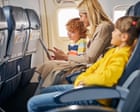
UK government plans to prohibit airlines from charging parents extra fees to sit with children under 14, as part of efforts to eliminate hidden travel costs.
New Regulation Targets Airlines Charging Parents to Sit with Children
The UK government has announced comprehensive plans to prevent airlines charging parents extra fees to sit with children on flights. This initiative represents a significant shift in passenger protection policy, addressing growing consumer frustration with hidden charges that accumulate throughout the booking process. Airlines charging parents to sit with children has become an increasingly common practice, prompting regulatory intervention at the highest levels of government.
Transport Secretary Andy Burnham has positioned this regulatory change as a centerpiece of his broader campaign against what he terms "little charges that add up." The proposed legislation will establish mandatory requirements for seating arrangements on commercial flights operating within UK airspace.
Key Details of the Proposed Rule Change
Under the new regulations, airlines will be required to seat passengers aged under 14 adjacent to their parents or an accompanying adult at no additional cost. This requirement applies regardless of the fare type selected or booking timeframe. Currently, many carriers charge substantial fees for seat selection, particularly when parents attempt to ensure their minor children sit nearby for safety and supervision purposes.
The regulation extends beyond seating arrangements. Passengers will no longer face charges for correcting mistakes on their flight bookings, such as spelling errors in names or minor personal information adjustments. Airlines have historically charged passengers for these administrative corrections, treating them as premium services rather than customer service corrections.
Understanding the Impact on Passenger Rights
These measures reflect a fundamental shift in how UK authorities view airline pricing practices. The regulations acknowledge that certain fees disproportionately affect families traveling with children, potentially transforming what should be basic travel arrangements into significant financial burdens.
The implementation of this rule will eliminate a revenue stream that airlines have relied upon for years. Seating fees have become increasingly lucrative for carriers, with some families spending £20-50 per child per flight simply to sit together. Over the course of a family holiday involving multiple flights, these costs can exceed the savings on the original airfare.
Regulatory Framework and Implementation
The government's approach focuses on consumer protection by targeting fees that many passengers view as exploitative or unclear during the initial booking process. Industry observers suggest this represents the most significant regulatory intervention in airline pricing since new consumer protection standards were introduced.
Airlines operating routes to and from the United Kingdom will need to adjust their booking systems and fee structures to comply with the new requirements. The implementation timeline has not yet been formally announced, though government sources indicate a phased approach beginning with domestic carriers.
Broader Context of Airline Fee Regulation
This regulatory action positions the UK alongside several European nations that have implemented similar protections. The European Union previously established guidelines requiring free seating for minors with accompanying adults, though enforcement has remained inconsistent across member states.
Burnham's initiative suggests a willingness to expand regulatory oversight into other airline fee categories. Consumer advocacy groups have identified numerous additional charges they consider problematic, including baggage fees, booking change fees, and customer service call surcharges.
The proposed changes demonstrate growing political commitment to addressing what regulators identify as unfair pricing practices within the aviation industry, particularly those affecting vulnerable passenger groups such as families with young children.