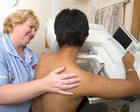
AI Detects Heart Disease in Women Through Mammograms
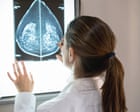
Study reveals artificial intelligence can identify cardiovascular risks in women during routine mammogram screenings for breast cancer detection.
Revolutionary AI Technology Identifies Cardiovascular Risks in Routine Mammograms
A groundbreaking study demonstrates that AI heart disease detection is now possible through standard breast cancer screening procedures. Researchers have successfully developed artificial intelligence systems capable of analyzing routine mammogram images to identify women at risk for serious cardiovascular conditions, including coronary heart disease, hypertension, and previous stroke events.
The integration of advanced machine learning algorithms into existing mammogram protocols represents a significant advancement in preventive healthcare for women. By leveraging the dual-purpose potential of these routine imaging procedures, medical professionals can now screen for multiple life-threatening conditions simultaneously, potentially saving countless lives through earlier intervention and treatment.
Understanding the Study's Impact on Women's Health Screening
The research highlights a critical gap in current healthcare practices. Heart disease remains the leading cause of death among women worldwide, yet it frequently goes undiagnosed during standard medical evaluations. The discovery that mammogram screening can simultaneously flag cardiovascular risk factors represents a paradigm shift in how healthcare systems approach preventive medicine.
Medical experts emphasize that this innovation does not replace existing cardiovascular screening protocols but rather complements them. Women already undergoing routine breast cancer mammograms can now benefit from additional health insights without requiring separate specialized testing or additional radiation exposure. This efficiency makes comprehensive health screening more accessible to broader populations.
How Artificial Intelligence Analyzes Imaging Data
The AI systems employed in this research utilize sophisticated deep learning models trained on thousands of mammogram images with associated patient health data. These algorithms can detect subtle patterns and indicators in breast tissue imaging that correlate with cardiovascular health status. The technology identifies specific imaging markers that may suggest underlying heart conditions or vascular problems.
Researchers analyzed the scans using artificial intelligence medical imaging techniques to successfully recognize women with established coronary heart disease, significant blood pressure elevation, or documented history of cerebrovascular events. The accuracy of these AI-driven assessments demonstrates the potential for machine learning in identifying otherwise hidden health risks.
The Dual Benefits of Enhanced Breast Cancer Screening
By incorporating cardiovascular risk assessment into breast cancer screening programs, healthcare institutions can maximize the value of routine mammographic examinations. Women attending standard breast cancer screening appointments may receive early warning signs of heart disease, enabling preventive interventions before serious cardiac events occur.
This dual-screening approach particularly benefits women who may not have regular access to comprehensive cardiovascular evaluations. Many women prioritize breast health screening but neglect cardiovascular risk assessment, making the integration of heart disease detection into existing mammography programs a practical and effective public health solution.
Clinical Applications and Future Healthcare Integration
Healthcare institutions are beginning to explore practical implementation of AI heart disease detection systems within existing radiology departments. The technology requires minimal additional infrastructure, as it operates on images already captured during routine screening procedures. This scalability makes widespread adoption feasible across diverse healthcare settings.
Medical professionals predict that within the coming years, cardiovascular risk assessment will become a standard component of breast cancer screening protocols. Radiologists and cardiologists are collaborating to develop clinical guidelines for interpreting AI-generated cardiovascular risk indicators and determining appropriate follow-up interventions for flagged patients.
Addressing Healthcare Disparities Through Innovation
This technological advancement has significant implications for addressing healthcare disparities affecting women, particularly those in underserved communities with limited access to specialized cardiac screening. The integration of cardiovascular assessment into routine mammography programs democratizes access to early heart disease detection.
Experts recognize that women historically receive less aggressive cardiovascular screening and preventive treatment compared to men, contributing to higher mortality rates. By embedding heart disease screening into universally accepted breast cancer prevention programs, healthcare systems can help reduce gender-based disparities in cardiac care quality and outcomes.
Looking Toward Comprehensive Women's Health Screening
The success of artificial intelligence medical imaging in identifying cardiovascular risks through mammograms opens doors for similar applications across other routine medical imaging procedures. Researchers are investigating whether similar AI technologies could detect cardiac indicators in chest X-rays, abdominal ultrasounds, and other common diagnostic imaging studies.
As artificial intelligence continues advancing in healthcare applications, the potential for comprehensive disease screening through existing medical procedures expands significantly. This study represents an important step toward integrated, efficient healthcare systems that maximize the diagnostic value of routine medical encounters.