
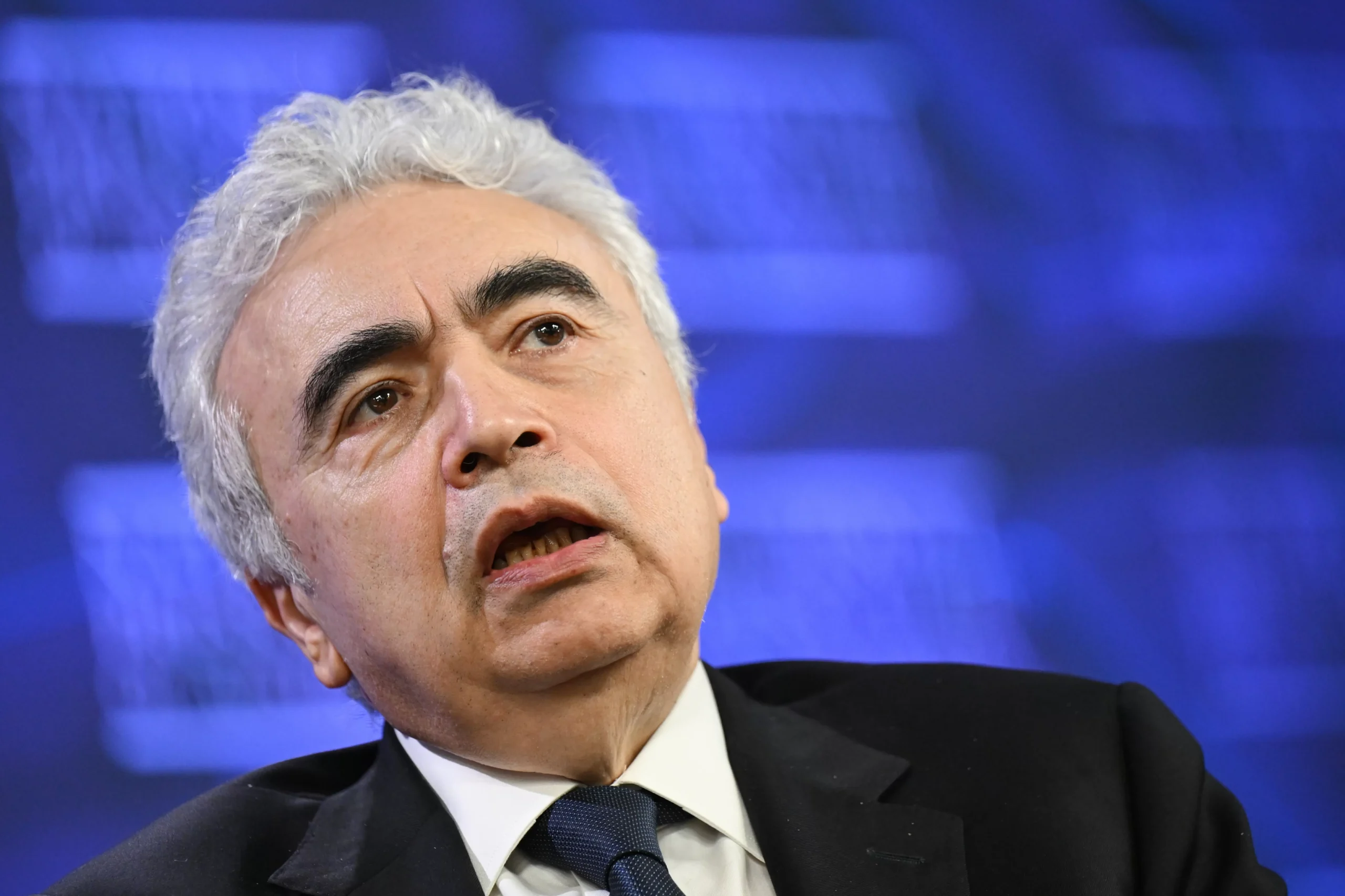
The world is facing a major energy security threat, according to the head of the International Energy Agency (IEA), Fatih Birol. In a recent interview with CNBC, Birol expressed his concerns about the current state of global energy security, stating that “we are facing the biggest energy security threat in history.” This alarming statement comes amidst the ongoing tensions and conflicts in the Middle East, particularly the war in Iran and the threat to the Strait of Hormuz.
The Strait of Hormuz is a crucial passageway for the world’s oil supply, with about 20% of global oil passing through it. Located between Iran and Oman, it connects the Persian Gulf to the Gulf of Oman and ultimately leads to the Indian Ocean. In recent months, the tensions between the United States and Iran have escalated, leading to attacks on oil tankers in the Strait and the downing of a US drone by Iran. These incidents have raised concerns about the safety of the oil supply and the potential impact on global energy security.
Birol, who has been at the helm of the IEA since 2015, is known for his expertise in energy economics and global energy security. He has been closely monitoring the situation in the Middle East and has warned that any disruption of oil supply from the region could have severe consequences for the global economy. In his interview, he stressed the need for international cooperation to address this threat and ensure the stability of the global energy market.
The IEA is an intergovernmental organization that works to ensure reliable, affordable, and clean energy for its 30 member countries. It provides data, analysis, and recommendations to its members to help them make informed decisions about their energy policies. The agency also collaborates with non-member countries, including major energy players like China and India, to promote energy security and sustainability on a global scale.
Birol’s warning about the current energy security threat is not unfounded. In the past, conflicts in the Middle East have had a significant impact on the global energy market. For example, the 1973 oil crisis, also known as the Arab Oil Embargo, saw a sharp increase in oil prices and led to an economic downturn in many countries. Similarly, the Gulf War in 1990-1991 resulted in a disruption of oil supply, causing a spike in oil prices and affecting the global economy.
In the face of these potential threats, it is essential for countries to diversify their energy sources and reduce their dependence on oil from the Middle East. Birol emphasized the need for investment in renewable energy sources and energy efficiency to reduce the vulnerability of countries to supply disruptions. He also called for increased dialogue and cooperation between oil-producing and oil-consuming countries to ensure the stability of the global energy market.
Fortunately, some countries are already taking steps to address this issue. The United Arab Emirates, for example, has been investing heavily in renewable energy, with the aim of meeting 50% of its energy demand from clean sources by 2050. China, the world’s largest energy consumer, has also made significant progress in reducing its dependence on coal and increasing its use of renewable energy.
In conclusion, the current energy security threat is a pressing issue that requires immediate attention from the international community. As the head of the IEA, Birol has called for urgent action to diversify energy sources, invest in renewable energy, and promote cooperation between countries to ensure the stability of the global energy market. It is crucial for countries to work together to address this threat and pave the way for a sustainable and secure energy future. As Birol aptly put it, “we have to be very vigilant and work together to make sure that this energy security threat is not becoming a reality.”
