
Fatty liver disease, also known as hepatic steatosis, is a condition in which excess fat accumulates in the liver. This disease is becoming increasingly common worldwide, with an estimated 25% of the global population affected by it. The rise in this disease is largely attributed to poor dietary choices and sedentary lifestyles. However, the good news is that with some simple diet changes and healthy habits, you can support your liver health and prevent or even reverse fatty liver disease. In this article, we will discuss the best foods to eat, what to avoid, and simple diet steps to naturally support your liver health.
First and foremost, it is essential to understand the role of the liver in our body. The liver is a vital organ responsible for many functions, including filtering and removing toxins from the blood, producing bile for digestion, and storing important nutrients. When too much fat accumulates in the liver, it can lead to inflammation and damage, which can eventually result in fatty liver disease. Therefore, it is crucial to take care of your liver health to prevent any potential health issues.
The good news is that diet plays a significant role in maintaining a healthy liver. Here are some of the best foods to eat to support liver health naturally:
1. Leafy Greens: Leafy greens such as spinach, kale, and collard greens are rich in antioxidants and nutrients that can help protect the liver from damage. They also contain compounds that support liver detoxification and promote the production of bile.
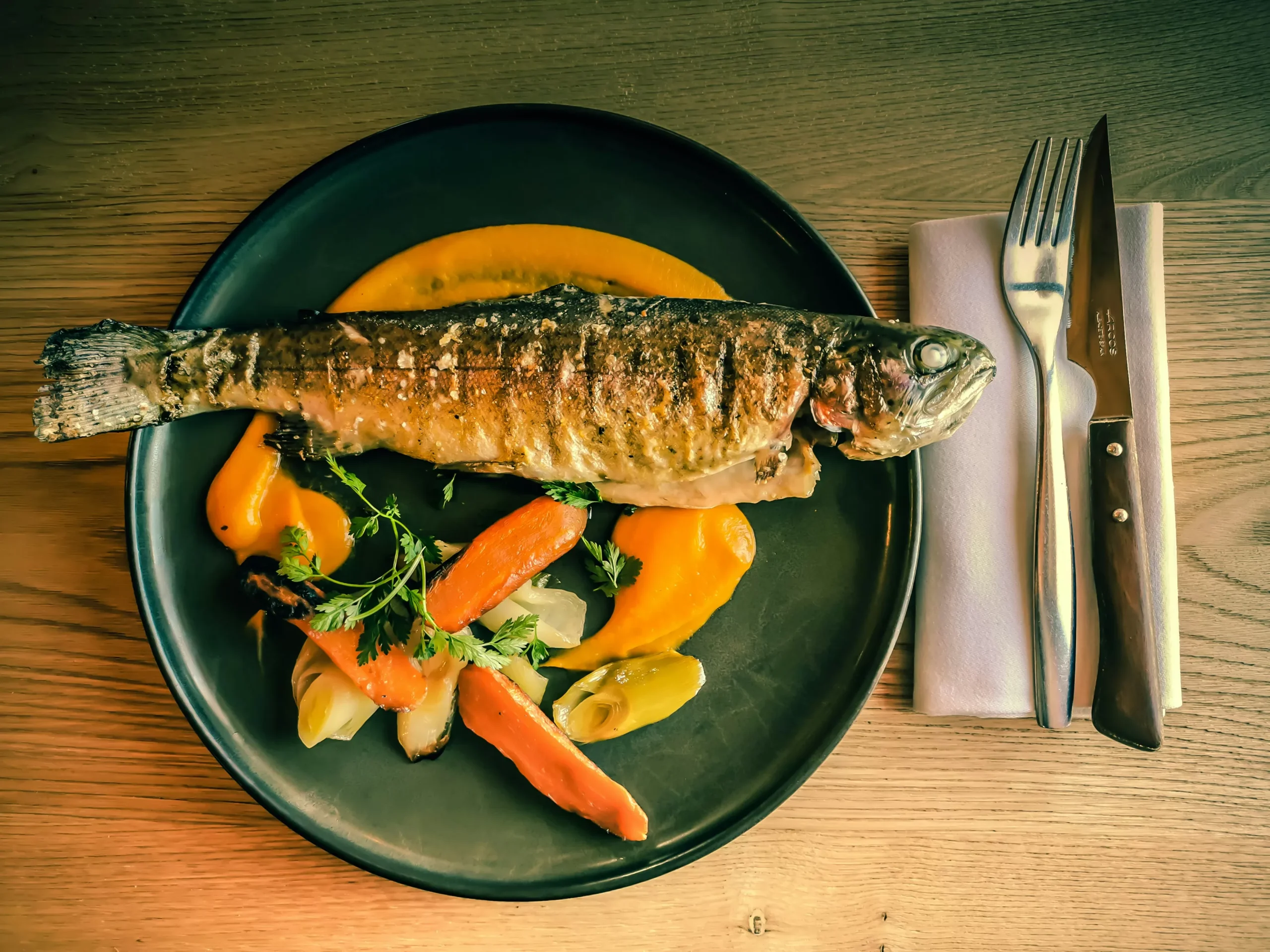
2. Fatty Fish: Fish like salmon, tuna, and sardines are rich in omega-3 fatty acids, which have anti-inflammatory properties and can reduce fat build-up in the liver. They also contain selenium, a mineral that can help protect the liver from oxidative stress.
3. Olive Oil: Olive oil is a healthy source of fat that has been shown to improve liver function and reduce the risk of developing fatty liver disease. It is also rich in antioxidants that can protect the liver from damage.
4. Nuts and Seeds: Nuts and seeds are excellent sources of healthy fats, fiber, and antioxidants, all of which are beneficial for liver health. Walnuts, in particular, have been found to have a positive effect on liver function.
5. Garlic: Garlic is a powerful superfood that has been used for its medicinal properties for centuries. It contains compounds that can help protect the liver from damage and boost liver function.
In addition to incorporating these foods into your diet, there are also certain foods that you should avoid to maintain a healthy liver. These include:
1. Processed Foods: Processed foods are high in unhealthy fats, added sugars, and other additives that can put a strain on the liver. They also lack essential nutrients that are necessary for liver health.
2. Alcohol: Excessive alcohol consumption is a major cause of fatty liver disease. It is essential to limit your alcohol intake to support liver health.
3. Sugary Drinks: Sugary drinks like soda and fruit juices are high in added sugars, which can lead to fat accumulation in the liver. Opt for water or herbal teas instead.
4. Red Meat: Red meat is high in saturated fat, which can contribute to liver fat build-up. It is best to limit your intake and choose lean protein sources like chicken, fish, and beans.
Apart from making dietary changes, here are some simple diet steps you can take to support your liver health naturally:
1. Stay hydrated: Drinking plenty of water is crucial for liver health as it helps flush out toxins and waste products from the body. Aim for at least 8 glasses of water a day.
2. Limit your sugar intake: Added sugars, especially fructose, are known to contribute to fat build-up in the liver. It is essential to limit your intake of sugary foods and drinks to support liver health.
3. Eat a balanced diet: A healthy and balanced diet that includes a variety of fruits, vegetables, whole grains, and lean protein sources is essential for maintaining a healthy liver.
4. Exercise regularly: Regular physical activity can help improve liver function and reduce fat accumulation in the liver. Aim for at least 30 minutes of moderate exercise, such as brisk walking, five times a week.
5. Avoid crash diets: Crash diets that involve extreme calorie restriction can cause rapid weight loss, which can lead to fat accumulation in the liver. It is best to adopt a healthy and sustainable approach to weight loss.
In conclusion,
