
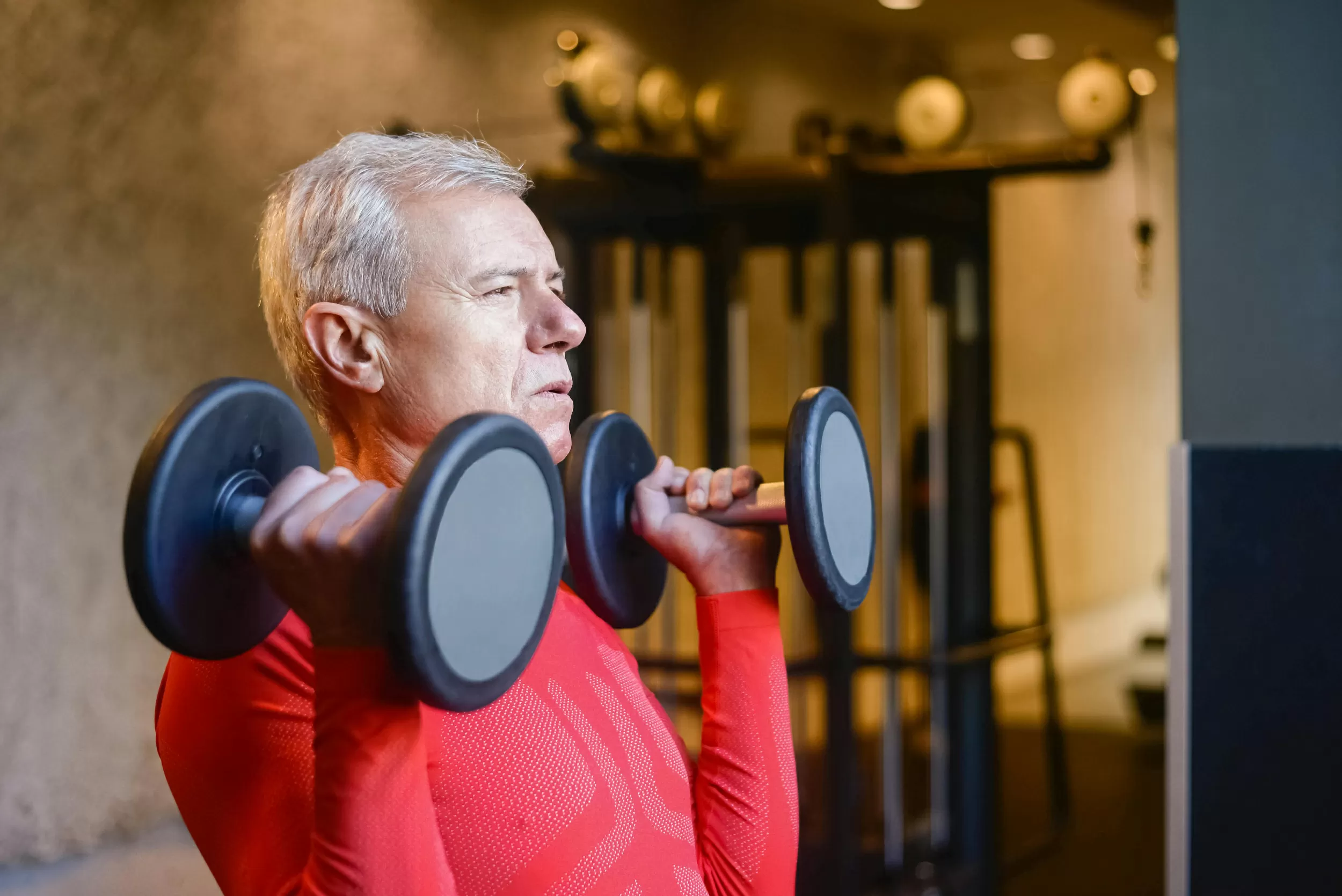
As we age, it is common to experience a decline in muscle mass and strength. This can be attributed to a variety of factors such as hormonal changes, decreased physical activity, and poor nutrition. However, it is never too late to start building muscle and improving your overall health and well-being, even after the age of 40. With the right approach, you can achieve a stronger and healthier body through safe resistance training, smart protein intake, and injury prevention strategies.
Resistance training, also known as strength training, is a form of exercise that uses resistance to build muscle strength and endurance. It involves performing exercises that work against an opposing force, such as weightlifting, using resistance bands, or even using your own body weight. This type of training is essential for building and maintaining muscle mass, especially as we age.
One of the key benefits of resistance training is that it helps to prevent age-related muscle loss, also known as sarcopenia. This condition can lead to a decrease in muscle mass, strength, and function, making daily activities more challenging. By engaging in regular resistance training, you can slow down this process and maintain a strong and functional body.
However, it is important to approach resistance training with caution, especially if you are new to it or have not been physically active for a while. It is recommended to consult with a certified personal trainer or your healthcare provider before starting any new exercise program. They can assess your fitness level and provide guidance on the appropriate exercises and intensity for your age and physical condition.
When it comes to building muscle after 40, proper protein intake is crucial. Protein is the building block of muscle, and as we age, our bodies become less efficient at using it. Therefore, it is essential to consume enough protein to support muscle growth and repair. The recommended daily intake for adults over 40 is 0.8 grams of protein per kilogram of body weight. However, if you are engaging in resistance training, you may need to increase your protein intake to 1-1.5 grams per kilogram of body weight.
It is also essential to choose high-quality protein sources, such as lean meats, fish, eggs, dairy, and plant-based options like beans, lentils, and tofu. These foods not only provide protein but also contain other essential nutrients for muscle health, such as vitamins and minerals. It is also beneficial to spread your protein intake throughout the day, rather than consuming a large amount in one meal.
In addition to resistance training and proper protein intake, injury prevention strategies are crucial for safe and effective muscle building after 40. As we age, our bodies become more susceptible to injuries, and recovering from them can take longer. Therefore, it is essential to take precautions to avoid injuries and setbacks in your fitness journey.
Firstly, always warm up before starting your workout. This can include dynamic stretches, light cardio, or even a few minutes of low-intensity resistance exercises. Warming up helps to increase blood flow to your muscles, making them more pliable and less prone to injury.
Secondly, listen to your body and do not push yourself too hard. It is normal to experience some muscle soreness after a workout, but if you feel sharp pain or discomfort, stop and rest. It is better to take a break and recover than to risk a serious injury.
Lastly, do not neglect your rest and recovery. As we age, our bodies need more time to recover from physical activity. Make sure to schedule rest days in your workout routine and prioritize getting enough sleep. This will allow your muscles to repair and grow stronger.
In conclusion, building muscle after 40 is possible with the right approach. Incorporating safe resistance training, smart protein intake, and injury prevention strategies into your fitness routine can help you achieve a stronger and healthier body. Remember to consult with a professional, choose high-quality protein sources, and prioritize rest and recovery. With dedication and consistency, you can achieve your fitness goals and enjoy a stronger and more active lifestyle in your 40s and beyond.
