
The human body is a fascinating and complex machine, with each part working in perfect harmony to keep us alive and well. Among the most crucial components of our body are the heart, blood, and lungs. These three work together every day to sustain our lives through blood circulation and lung function. In this article, we will explore some amazing facts about these vital organs and how they work together to keep us healthy.
The Heart: The Engine of Life
The heart is often referred to as the engine of life, and for a good reason. It is a powerful organ that works tirelessly to pump blood throughout our body, delivering oxygen and essential nutrients to every cell. On average, the heart beats around 100,000 times a day, pumping approximately 2,000 gallons of blood. That’s enough to fill three Olympic-sized swimming pools!
But did you know that the heart is not just a pump? It is also a muscle, and like any other muscle in our body, it needs to be exercised to stay strong. Regular physical activity helps keep the heart healthy and reduces the risk of heart disease, the leading cause of death worldwide. So, next time you go for a run or hit the gym, remember that you are not just working on your physique, but also keeping your heart in top shape.
The Blood: The Lifeline of Our Body
Blood is a vital fluid that carries oxygen and nutrients to every cell in our body. It also removes waste products and helps fight infections. But did you know that blood is not just made up of red blood cells? It also contains white blood cells, which are crucial for our immune system, and platelets, which help with blood clotting.
Another interesting fact about blood is that it is constantly being produced in our bone marrow. On average, our body produces about 2 million red blood cells every second. However, not all blood is the same. Blood types are classified as A, B, AB, and O, depending on the presence or absence of certain antigens on the surface of red blood cells. Knowing your blood type is essential in case of a medical emergency, as it determines which blood type is compatible with yours.
The Lungs: The Powerhouses of Breathing
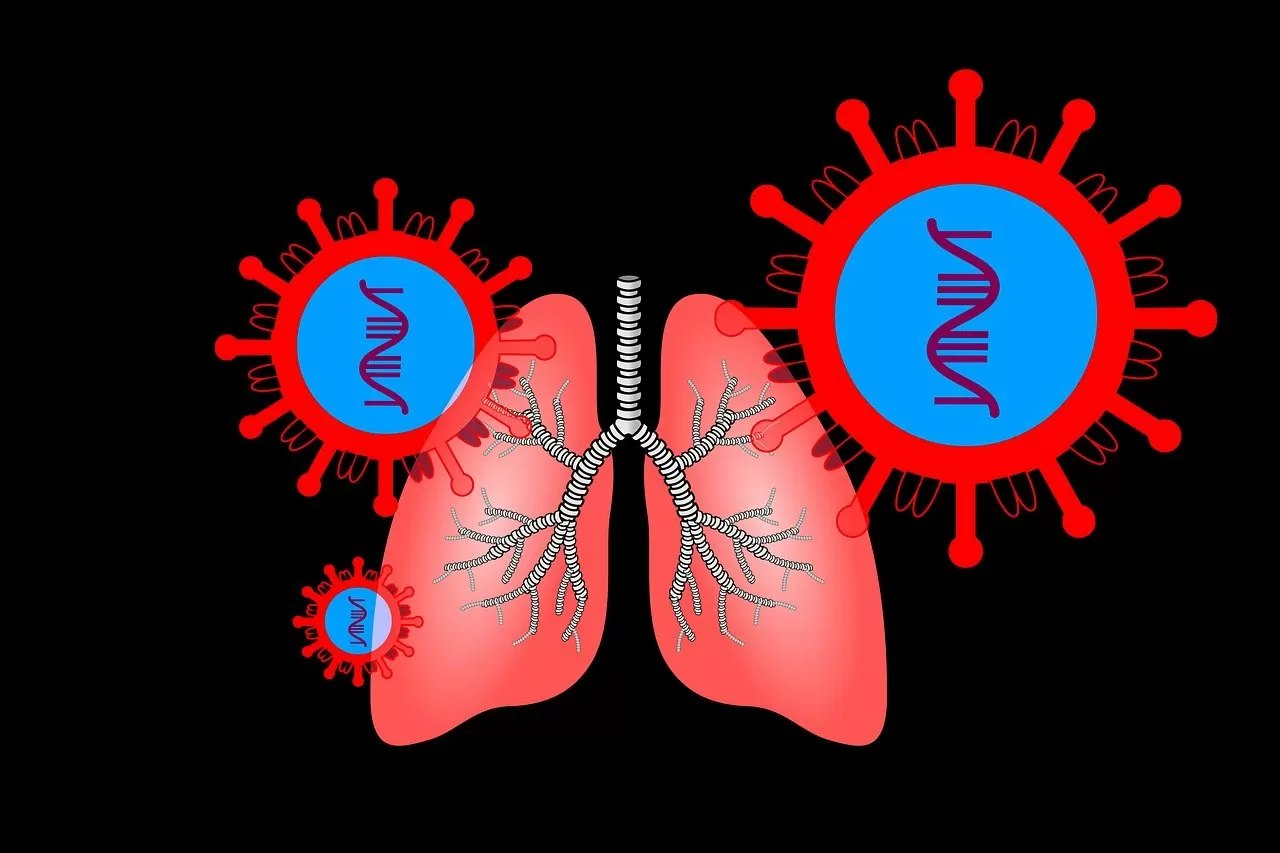
We often take breathing for granted, but the lungs play a crucial role in keeping us alive. They are responsible for taking in oxygen and getting rid of carbon dioxide, a waste product of our body. The lungs work together with the heart to ensure that oxygen-rich blood is delivered to all parts of our body.
But did you know that our lungs are not the same size? Our right lung is larger than the left lung, as it has to make room for the heart. Also, the surface area of our lungs is equivalent to that of a tennis court! This large surface area allows for efficient gas exchange, ensuring that our body receives enough oxygen to function correctly.
The Heart, Blood, and Lungs: A Perfect Team
The heart, blood, and lungs work together in perfect harmony to keep us alive. The heart pumps oxygen-rich blood to the lungs, where it picks up oxygen and gets rid of carbon dioxide. The blood then travels back to the heart, which pumps it to the rest of the body, delivering oxygen and nutrients to every cell. This process is known as circulation and is essential for our survival.
But what happens if one of these vital organs is not functioning correctly? A heart attack, for example, occurs when the heart is unable to pump enough blood to meet the body’s needs. Similarly, lung diseases such as asthma and chronic obstructive pulmonary disease (COPD) can make it difficult to breathe. That’s why it’s crucial to take care of our heart, blood, and lungs through a healthy lifestyle and regular check-ups.
Tips for a Healthy Heart, Blood, and Lungs
1. Exercise regularly: Physical activity is not only good for our overall health but also for our heart, blood, and lungs. Aim for at least 30 minutes of moderate exercise, such as brisk walking, five times a week.
2. Eat a balanced diet: A diet rich in fruits, vegetables, whole grains, and lean protein is essential for a healthy heart, blood, and lungs. Avoid processed and high-fat foods, which can increase the risk of heart disease and other health problems.
3. Don’t smoke: Smoking is one of the leading causes of heart disease and lung cancer. If you smoke
