
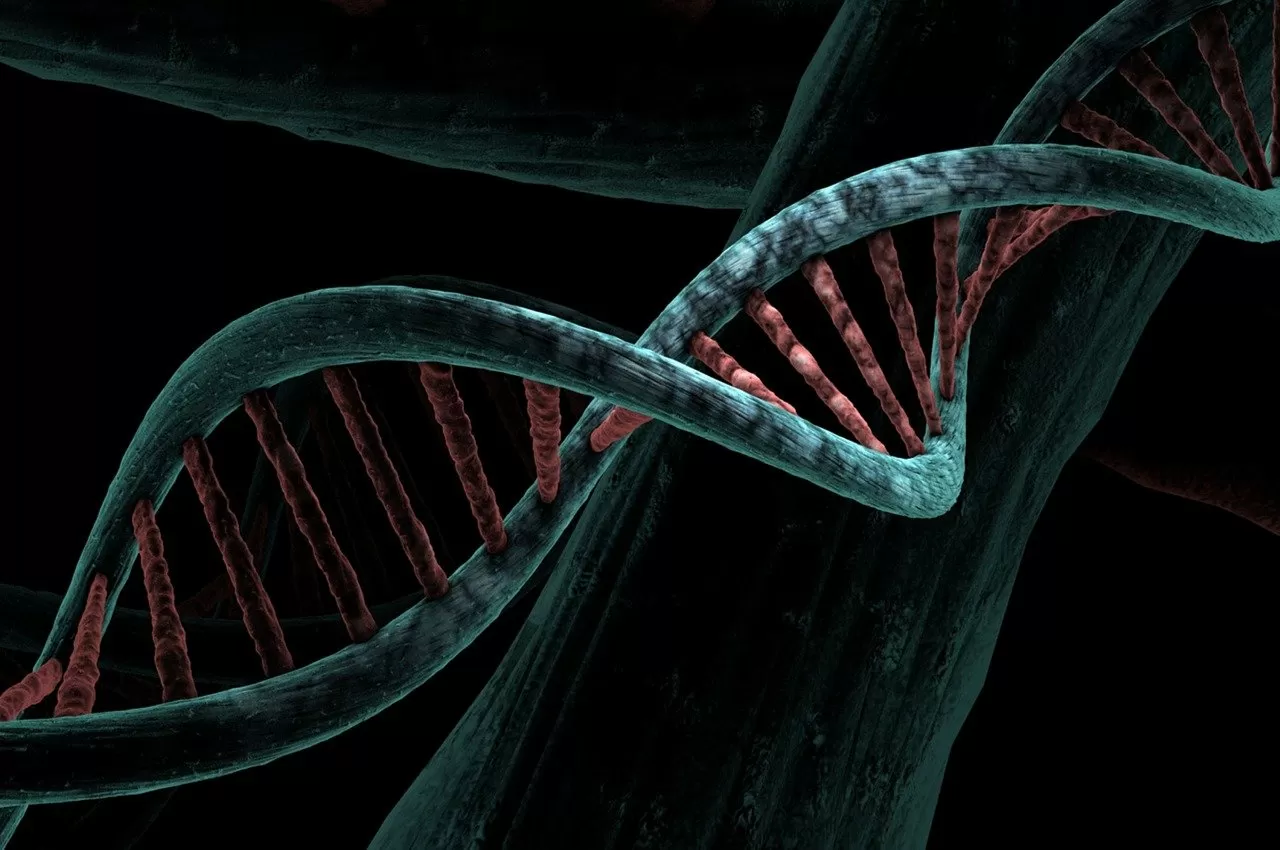
Genetics, heredity, and family history are three factors that play a significant role in determining our health risks and inherited conditions. These factors have a profound impact on our well-being and can help doctors predict, prevent, and personalize medical care for better health outcomes. In this article, we will explore how genetics, heredity, and family history influence our health and how understanding these factors can lead to improved medical care.
Genetics is the study of genes and their role in heredity and variation of organisms. Our genes are the building blocks of life, and they determine our physical characteristics, such as eye color, height, and hair color. They also play a crucial role in our health and susceptibility to certain diseases. Our genes are inherited from our parents, and they can influence our health in both positive and negative ways.
Heredity refers to the passing on of traits from parents to their offspring. It is the reason why we may have similar physical characteristics or health conditions as our parents or other family members. For example, if a parent has a genetic predisposition to diabetes, their children may also have a higher risk of developing the condition. Similarly, if a family has a history of heart disease, their children may be more likely to develop the same condition.
Family history is a record of health information about a person and their close relatives. It includes information about any health conditions that run in the family, as well as lifestyle habits and environmental factors that may contribute to these conditions. Family history is an essential tool for doctors as it provides valuable insights into a person’s health risks and helps them make informed decisions about their medical care.
The interplay between genetics, heredity, and family history is complex and can have a significant impact on our health. By understanding these factors, doctors can predict, prevent, and personalize medical care for better well-being.
Predicting Health Risks
Genetics, heredity, and family history can help doctors predict a person’s risk of developing certain health conditions. By analyzing a person’s genetic makeup and family history, doctors can identify any genetic mutations or inherited conditions that may increase their risk of developing a disease. For example, a person with a family history of breast cancer may be advised to undergo regular screenings to detect the disease early.
Preventing Inherited Conditions
Inherited conditions are health conditions that are passed down from parents to their children through genes. These conditions can range from mild to severe and can significantly impact a person’s quality of life. However, by understanding a person’s genetic predispositions and family history, doctors can take preventive measures to reduce the risk of these conditions. For example, if a person has a family history of high cholesterol, they may be advised to make dietary and lifestyle changes to prevent heart disease.
Personalizing Medical Care
One size does not fit all when it comes to medical care. Each person is unique, and their genetic makeup, heredity, and family history play a crucial role in their health. By understanding these factors, doctors can personalize medical care to meet the specific needs of each individual. For example, a person with a family history of depression may require a different treatment plan than someone without a family history of the condition.
In recent years, advancements in technology have made it easier for doctors to analyze a person’s genetic makeup and family history. Genetic testing, for example, can identify any genetic mutations or inherited conditions that may increase a person’s risk of developing a disease. This information can then be used to personalize medical care and prevent the onset of these conditions.
Moreover, with the rise of precision medicine, doctors can use a person’s genetic information to tailor treatments to their specific needs. This approach takes into account a person’s genetic makeup, lifestyle, and environmental factors to develop a personalized treatment plan that is more effective and has fewer side effects.
In conclusion, genetics, heredity, and family history are crucial factors that influence our health and well-being. By understanding these factors, doctors can predict, prevent, and personalize medical care for better health outcomes. It is essential for individuals to be aware of their family history and to share this information with their doctors. By working together, we can use the power of genetics to improve our health and lead happier, healthier lives.
