
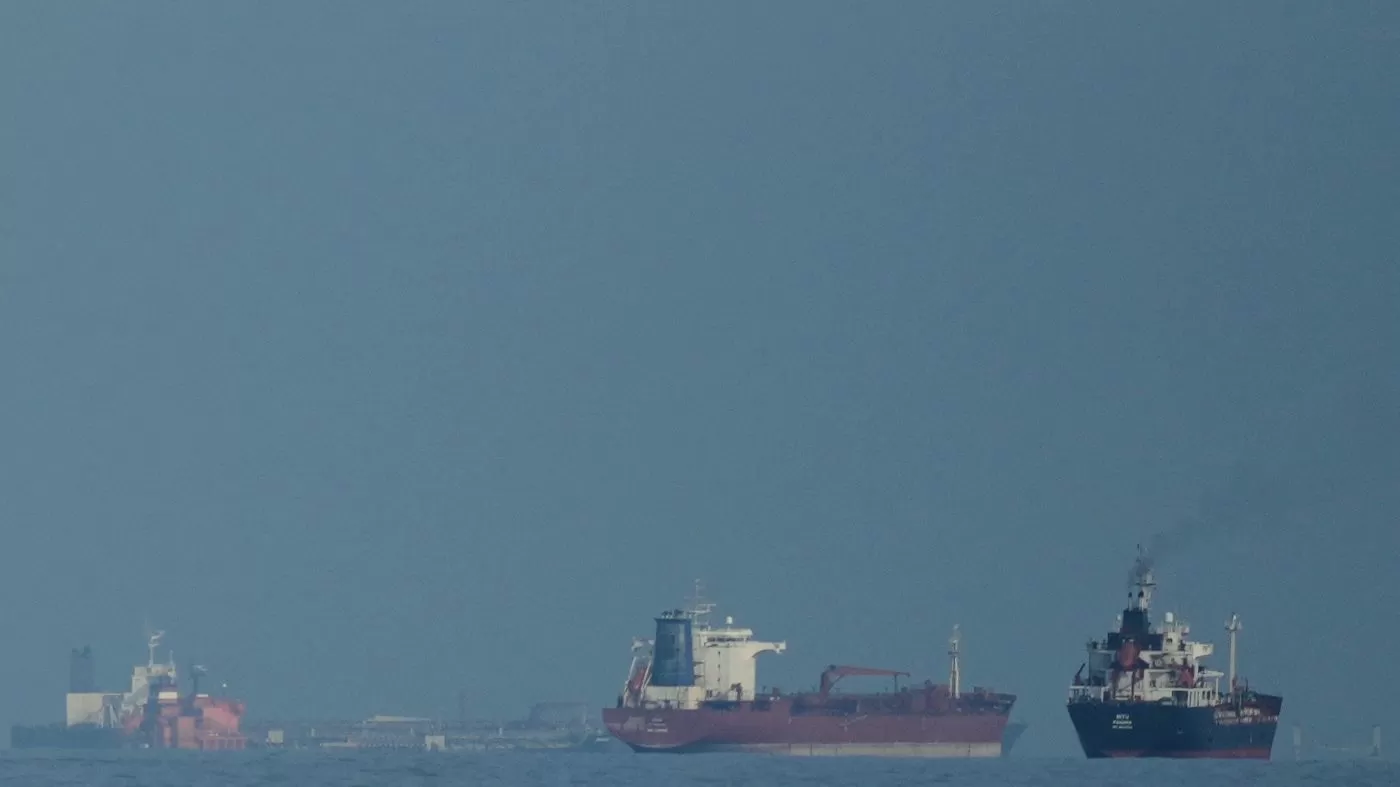
On Monday morning, a Chinese tanker, sanctioned by the United States, tested President Trump’s new blockade on travel through the Strait of Hormuz. The vessel successfully passed through the trading corridor, despite the US military’s efforts to block Iranian ports and stop vessels that have paid tolls to Iran. This move by the Chinese tanker has sparked controversy and raised concerns about the effectiveness of the blockade.
The Strait of Hormuz, located between Iran and Oman, is a vital waterway for global oil trade, with nearly one-fifth of the world’s oil passing through it. In recent months, tensions between the United States and Iran have escalated, with the US imposing sanctions on Iran to pressure the country to halt its nuclear program and to limit its influence in the region. However, this latest move by the Chinese tanker has defied the US blockade, sending a powerful message to President Trump and the international community.
The US’s blockade in the Strait of Hormuz began on Monday morning, with the US military claiming to block Iranian ports and stop any vessel that has paid tolls to Iran. This action, according to the US, is aimed at restricting Iran’s access to vital resources, including oil exports, which make up a significant portion of the country’s economy. However, many experts believe that this move will not have the desired impact and will only increase tensions in the region.
The Chinese tanker’s successful passage through the Strait of Hormuz has highlighted the challenges the United States faces in implementing this blockade. With China being one of Iran’s biggest trading partners, it is not surprising that the Chinese tanker chose to defy the US sanctions. This is a clear indication that the US’s attempt to restrict Iran’s access to the global market may not achieve the desired results.
While the US may have legitimate concerns about Iran’s nuclear program and its regional activities, the use of blockades and sanctions may not be the best approach. The Chinese tanker’s successful crossing of the Strait of Hormuz has shown that there are other ways to deal with these issues without resorting to forceful measures. The fact that China has been able to find a way around the blockade only strengthens the ties between the two countries and may embolden Iran to continue defying the US sanctions.
The US’s actions in the Strait of Hormuz have also raised concerns among its allies, who fear the impact on global oil supply and prices. In a time where the global economy is already struggling, any disruption to the oil market could have disastrous consequences. The US must consider the potential consequences of its actions and work towards finding a more diplomatic solution to the issue.
Moreover, the blockade in the Strait of Hormuz has also caught the attention of international organizations, with the United Nations expressing concerns over the impact on innocent civilians. The Secretary-General of the UN, António Guterres, has urged all parties involved to prioritize the safety and security of maritime navigation and to refrain from any actions that may escalate tensions.
In conclusion, the recent passage of a Chinese tanker through the blocked trading corridor in the Strait of Hormuz has highlighted the challenges and limitations of the US’s attempt to restrict Iran’s access to global markets. The success of the vessel has also sparked concerns among allies and international organizations about the potential consequences of the US’s actions. It is crucial for the United States to reevaluate its approach and to find more constructive ways to deal with the issues at hand. The safety and security of the region and the global economy should be the top priority, and all parties must work towards achieving a peaceful resolution.
