
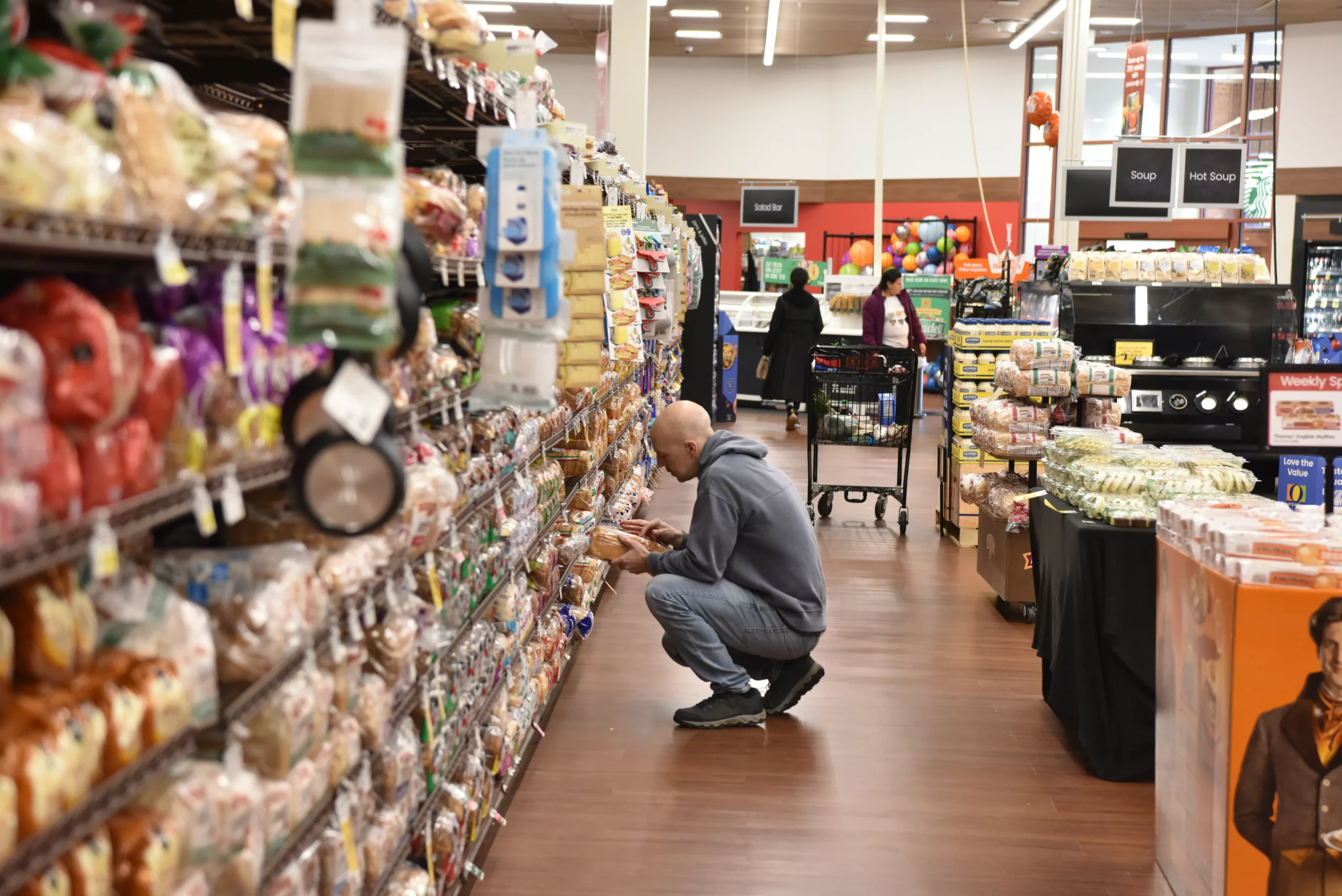
Despite initial fears of rising food prices, recent data has shown that prices have remained flat from February to March in the United States. This news may come as a relief to many shoppers who were worried about the impact of the ongoing pandemic on their grocery bills. However, experts warn that this does not mean we are completely out of the woods just yet.
According to the Bureau of Labor Statistics, the Consumer Price Index for food remained unchanged in March, following a 0.2% increase in February. This is in contrast to the sharp increase in food prices seen in the early months of the pandemic, when panic buying and supply chain disruptions caused a surge in demand and prices.
The stability in food prices can be attributed to various factors. One of the main reasons is the increase in production and supply of essential food items. As the initial panic buying subsided and supply chains adapted to the new normal, there has been a steady flow of food products to meet the demand. This has helped to keep prices in check and prevent any major spikes.
Another contributing factor is the government’s efforts to support the food industry during these challenging times. The Coronavirus Aid, Relief, and Economic Security (CARES) Act, passed in March 2020, provided financial assistance to farmers and food producers, ensuring that they could continue to operate and maintain a stable supply of food. This has played a crucial role in keeping prices stable and preventing any major disruptions in the food market.
Furthermore, the recent increase in vaccination rates and the gradual reopening of the economy have also had a positive impact on food prices. As more people feel comfortable dining out and shopping in person, the demand for groceries has slightly decreased, leading to a balance between supply and demand.
While the current situation may seem promising, experts caution that we are not completely out of the woods yet. The pandemic is still ongoing, and there are concerns about potential future disruptions in the food supply chain. The recent blockage of the Suez Canal, which caused delays in the delivery of goods, is a reminder of how fragile the global supply chain can be.
Moreover, the rising cost of transportation and labor could also have an impact on food prices in the future. As the economy recovers, there is a high demand for truck drivers and warehouse workers, leading to an increase in labor costs. This, coupled with the rising cost of fuel, could eventually lead to an increase in food prices.
It is also important to note that while overall food prices have remained stable, certain food items have seen an increase in prices. For example, the cost of meat, poultry, fish, and eggs has increased by 0.4% in March, and the price of fruits and vegetables has also seen a slight uptick. This could be due to various factors, such as weather conditions, supply chain disruptions, and increased demand.
In conclusion, while the recent stability in food prices is a positive sign, it is important to remain cautious and prepared for any potential changes in the future. The pandemic has taught us the importance of a stable and resilient food supply chain, and it is crucial to continue supporting the industry to ensure that we have access to affordable and nutritious food. As consumers, we can also play our part by being mindful of our food choices and avoiding panic buying, which can lead to unnecessary price increases. Let us continue to work together to overcome these challenges and emerge stronger as a community.
