
Heart disease is the leading cause of death worldwide, accounting for over 17 million deaths each year. It is a serious and often preventable condition that affects the heart and blood vessels. While there are many factors that contribute to heart disease, such as genetics and lifestyle choices, one of the most important ways to prevent and manage it is through a heart-healthy diet.
A heart-healthy diet is not just about cutting out unhealthy foods, but also about incorporating nutrient-rich and anti-inflammatory foods that support cardiovascular health. This type of eating plan can help lower cholesterol levels, reduce the risk of heart disease, and improve overall heart health.
So, what exactly is a heart-healthy eating meal plan? It is a balanced and nutritious diet that focuses on whole, unprocessed foods and limits or avoids foods that are high in saturated and trans fats, added sugars, and sodium. This type of diet is not a one-size-fits-all approach, as individual needs and preferences may vary. However, there are some key principles that can guide you towards a heart-healthy eating plan.
First and foremost, a heart-healthy diet should include plenty of fruits and vegetables. These colorful and nutrient-dense foods are rich in vitamins, minerals, and antioxidants that can help protect against heart disease. They are also low in calories and high in fiber, which can help with weight management and reduce the risk of obesity, a major risk factor for heart disease.
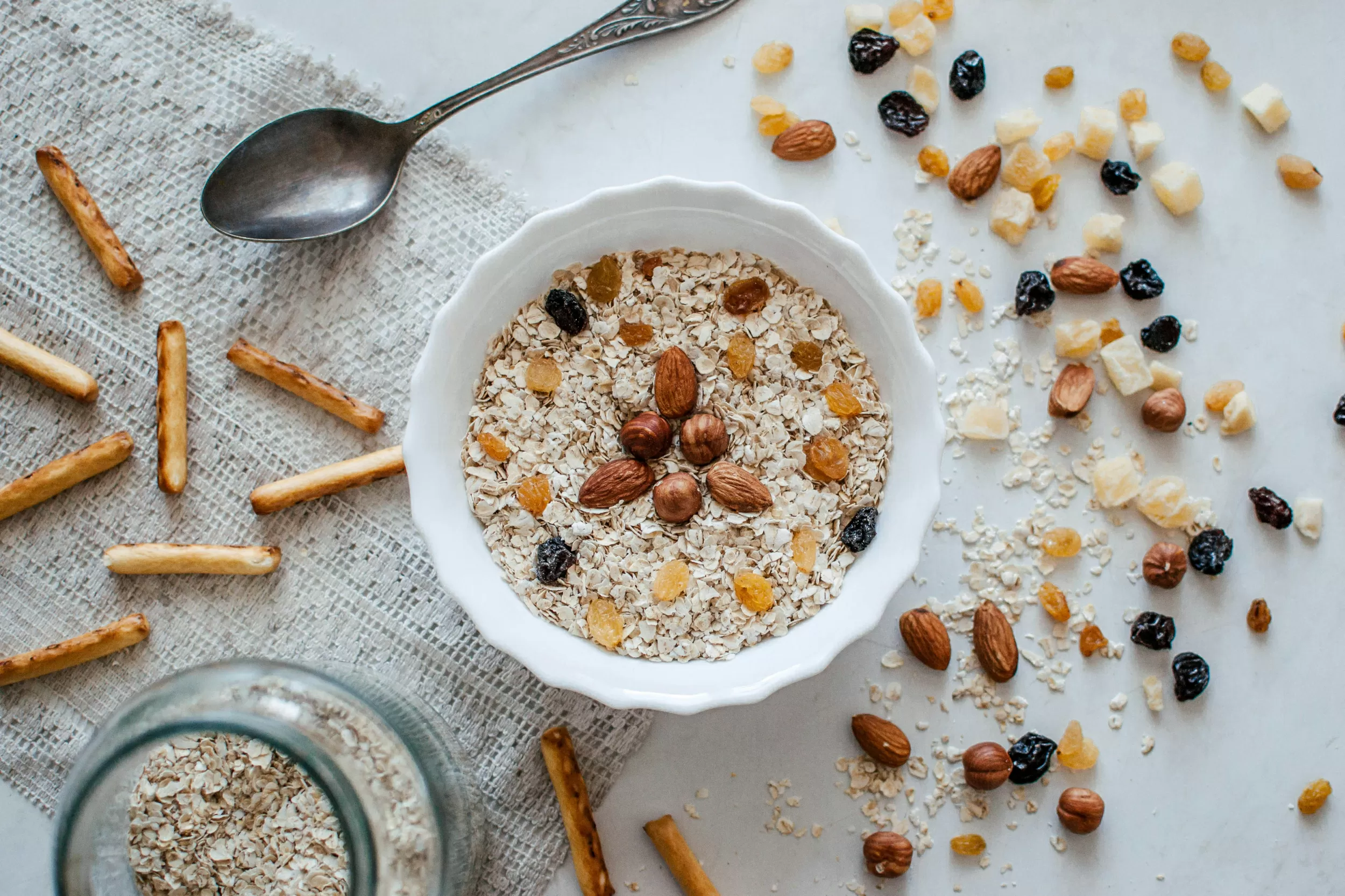
Whole grains are another important component of a heart-healthy eating plan. These include foods like whole wheat bread, brown rice, quinoa, and oats. Whole grains are a great source of fiber, which can help lower cholesterol levels and improve heart health. They also provide important nutrients such as B vitamins, iron, and magnesium.
In addition to fruits, vegetables, and whole grains, a heart-healthy diet should also include lean protein sources such as fish, poultry, beans, and legumes. These foods are low in saturated fat and provide important nutrients like omega-3 fatty acids, which have been shown to have heart-protective benefits. It is recommended to have at least two servings of fish per week, with options like salmon, tuna, and sardines being excellent choices.
When it comes to fats, it is important to choose healthy sources like olive oil, avocado, nuts, and seeds. These foods are rich in monounsaturated and polyunsaturated fats, which can help lower cholesterol levels and reduce the risk of heart disease. It is important to limit or avoid foods high in saturated and trans fats, such as red meat, butter, and processed snacks.
In addition to these key components, a heart-healthy eating plan should also include anti-inflammatory foods. Chronic inflammation has been linked to the development of heart disease, and incorporating anti-inflammatory foods can help reduce this risk. These include foods like fatty fish, leafy greens, berries, and turmeric. It is also important to limit or avoid foods that can cause inflammation, such as processed and fried foods, sugary drinks, and refined carbohydrates.
Following a heart-healthy eating plan can have numerous benefits for cardiovascular health. It can help lower cholesterol levels, reduce blood pressure, and improve overall heart function. It can also help with weight management and reduce the risk of obesity, which is a major risk factor for heart disease.
In addition to a healthy diet, regular physical activity is also crucial for maintaining a healthy heart. Aim for at least 30 minutes of moderate exercise, such as brisk walking or cycling, most days of the week. This can help improve heart health, manage stress, and maintain a healthy weight.
It is also important to note that a heart-healthy eating plan is not a short-term fix, but a long-term lifestyle change. It may take some time to adjust to this way of eating, but the benefits for your heart and overall health are worth it. It is also important to consult with a healthcare professional before making any significant changes to your diet, especially if you have any pre-existing health conditions.
In conclusion, a heart-healthy eating meal plan is essential for supporting cardiovascular health, lowering cholesterol levels, and preventing heart disease. By incorporating a variety of whole, unprocessed foods, limiting unhealthy fats and sugars, and including anti-inflammatory foods, you can take important steps towards a healthier heart. Remember, small changes can make a big difference, so start by making one healthy choice at a time and watch your heart health improve.
