
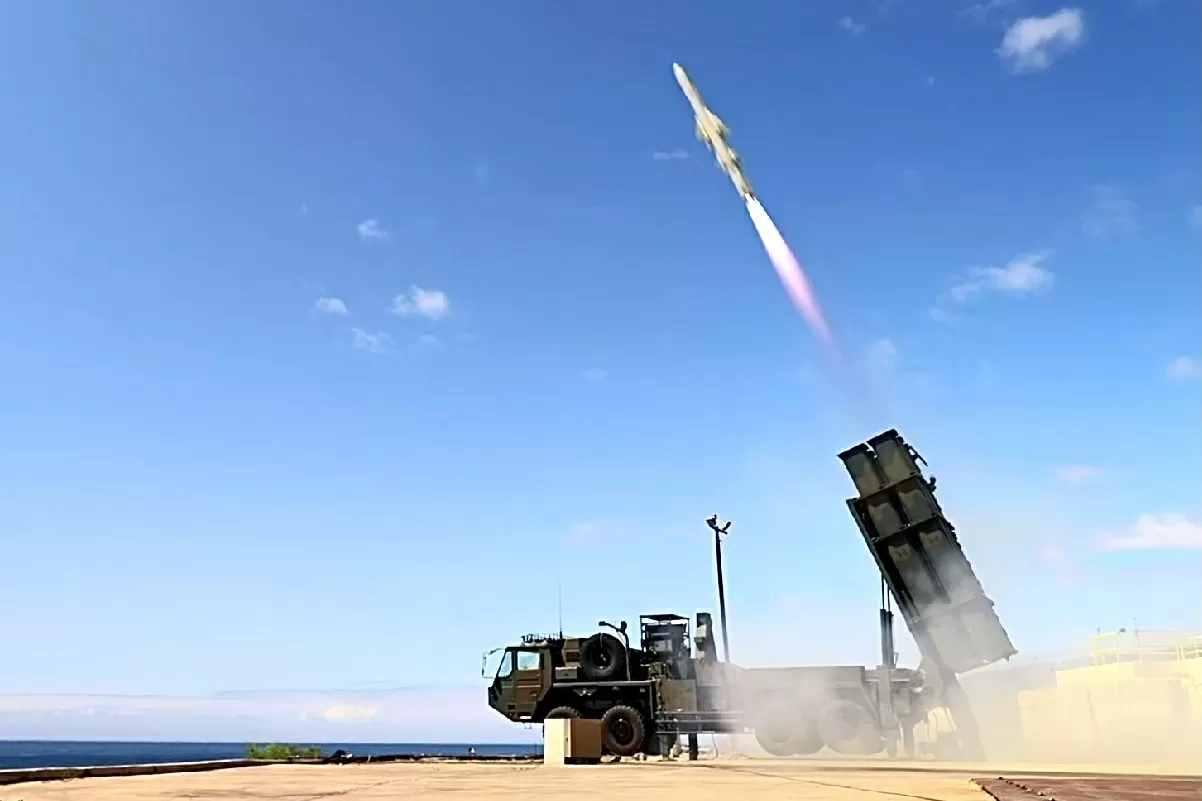
Japan has been known for its strict regulations on weapons exports for almost six decades, but as tensions with neighboring countries continue to rise, the island nation is set to relax these rules for the first time.
The Japanese government has recently approved a new policy that will allow the export of weapons and military equipment in certain circumstances. This marks a significant shift in the country’s post-World War II pacifist stance.
The decision comes in response to China’s growing military presence and assertiveness in the region. Japan sees this move as necessary to strengthen its own defense capabilities and maintain its security in the face of potential threats.
Under the new policy, Japan will consider exporting weapons and defense equipment to countries that have close security ties with Japan, as well as to countries that are involved in United Nations peacekeeping missions. This will open up opportunities for Japan to contribute to global peace efforts and strengthen its relationships with other countries.
However, the government has made it clear that strict guidelines and thorough screenings will be in place to ensure that the exported weapons are used solely for self-defense or for international peacekeeping purposes. The aim is to prevent these weapons from being used for aggression or other violations of human rights.
This new policy is a result of years of debate and discussion within the Japanese government. Prime Minister Shinzo Abe’s administration has been pushing for a more proactive approach to Japan’s defense and security, while facing strong opposition from pacifist groups who fear that this move could lead to Japan’s involvement in armed conflicts.
Despite the concerns, the government remains committed to its pacifist principles and has emphasized that the relaxation of weapons exports will not change Japan’s commitment to peace. In fact, the new policy states that Japan is determined to contribute to international peace and stability through arms control and disarmament.
Moreover, this move is expected to boost Japan’s economy by opening up new markets for its defense industry. In the past, Japan has been limited to only exporting civilian equipment and technology, but with this new policy, it can now tap into the global arms market, estimated to be worth over $80 billion.
This will not only benefit Japanese companies but also create job opportunities and drive technological advancements in the defense sector. It will also strengthen Japan’s position as a major player in the global defense industry.
The decision to relax weapons exports has received a positive response from Japan’s allies, including the United States. US Secretary of State Mike Pompeo has praised Japan’s move, stating that it will contribute to regional security and stability.
This move by Japan is a significant step towards a more active and responsible role in global security. It shows that Japan is willing to step up and play a greater role in maintaining peace and stability in the world, despite its past constraints.
In conclusion, Japan’s decision to relax curbs on weapons exports is a positive development that will not only strengthen its own defense capabilities but also contribute to global peace efforts. With strict guidelines and thorough screenings in place, Japan’s commitment to its pacifist principles remains unwavering. This move will also bring economic benefits and enhance Japan’s position in the global defense industry. As tensions continue to rise in the region, this decision sends a strong message that Japan is ready to take on a more proactive role in ensuring peace and stability in the world.
